Tea Reviving Rosemary
Herbal & Invigorating
About this recipe
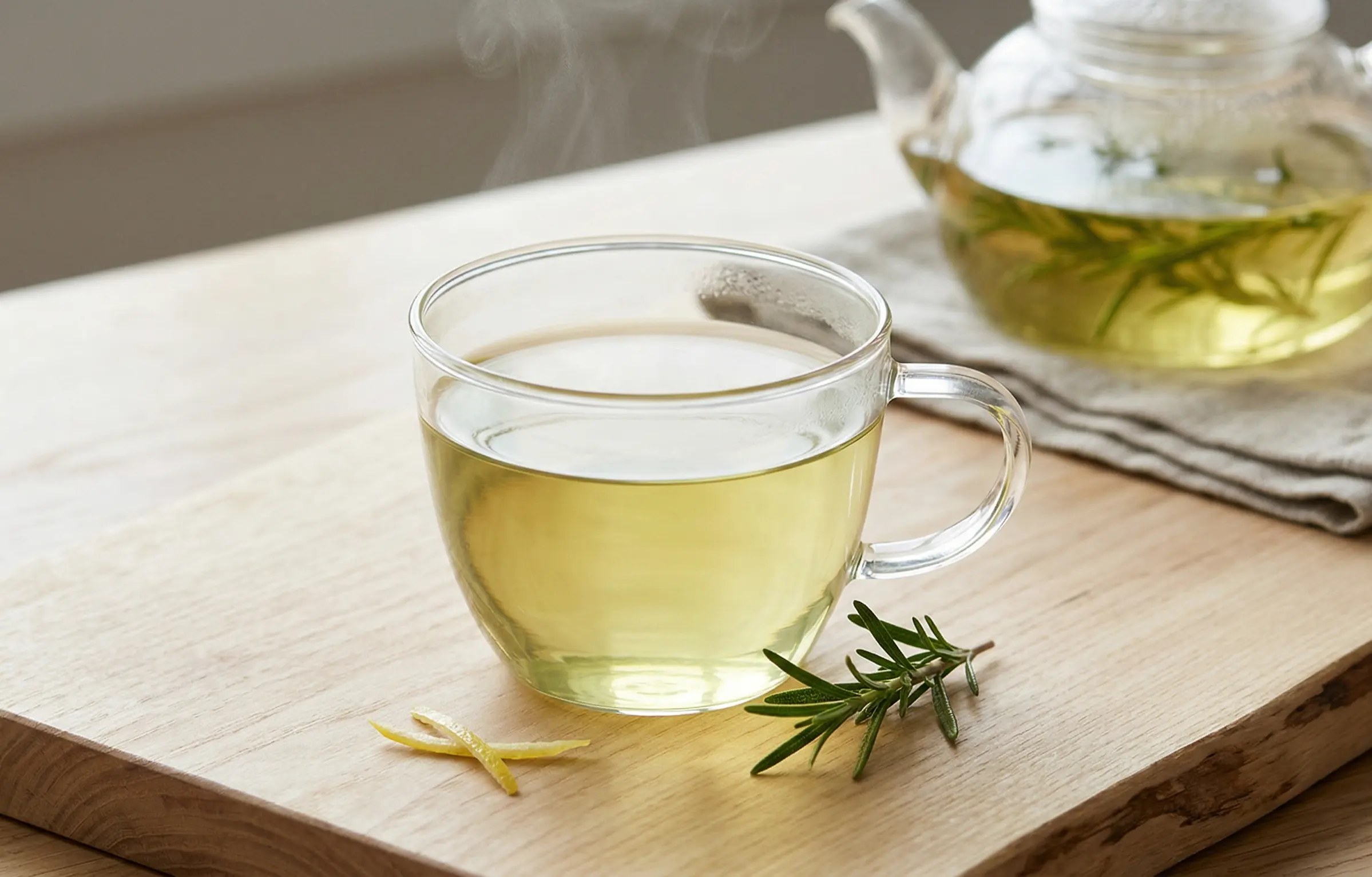
Revigorating Rosemary Tea is an infusion with immediate presence. Even before the first sip, the aroma fills the environment: green, resinous, fresh, and slightly woody. It is the type of tea that does not depend on caffeine to feel more awake; its strength comes from the herb's perfume, the herbal sensation rising from the cup, and the optional citrus touch of lemon peel. The proposal of this recipe is to create a short, aromatic, and adult drink, ideal for moments when one wants a less sweet, cleaner, and more personal break. Rosemary is widely used in the kitchen, especially in savory preparations, roasts, and marinades. When brought to the cup, it changes roles but maintains its intense character. Therefore, the measure should be careful. A teaspoon of dried rosemary or a small fresh sprig is sufficient for 250 ml of water. Overdoing the amount or leaving it too long can result in a bitter, overly resinous infusion that is not pleasant. The balance lies in quick extraction, with hot water off the heat and the container covered for a few minutes. This way, the tea preserves its perfume and freshness without becoming aggressive. It is also important to adjust the language of benefits. Rosemary should not be presented as a solution for focus, energy, memory, pressure, pain, or any health condition. The word “revigorating” here should be understood in the sensory field: an aromatic, lively drink with herbal flavor and a striking presence that can bring a subjective feeling of cheerfulness simply by awakening the senses. This care makes the recipe more reliable and elegant. Instead of promising effects, it delivers a well-constructed experience: warmth, perfume, freshness, and a small ritual of attention. The lemon peel enters as a detail of brightness. Used in a thin strip, well washed and without excess of the white part, it lifts the aroma of rosemary and leaves the finish cleaner. It is not mandatory, but it helps to make the cup lighter for those who find pure rosemary too strong. The result fits well with leisurely mornings, work afternoons, damp days, or moments when a warm, fragrant drink seems to reorganize the environment. At the same time, due to being an intense aromatic herb, use should be moderate, adult, and attentive to contraindications. Revigorating Rosemary Tea is simple but sophisticated when it respects its own intensity.
Summary
Aromatic rosemary infusion with an optional touch of lemon peel, herbal, intense, and ideal for an adult caffeine-free break.
Flavor profile
The flavor is herbal, green, slightly resinous, and persistent, with a fresh aroma reminiscent of freshly crushed herb. The body is light, but the aromatic intensity is high. The lemon peel adds a clean citrus note, reducing the feeling of weight and leaving the finish brighter. If overcooked, rosemary can become bitter and dominant.
When to prepare
It is a good option for the morning or early afternoon, especially during work, study, reading, or routine organization breaks. It also pairs well with cold, damp days when a warm, aromatic drink feels more welcoming. Avoid drinking too late if the intense perfume makes one feel more awake or uncomfortable. Do not use as a substitute for rest, sleep, nutrition, or health care; the best use is as a sensory and caffeine-free break.
Use notes
Rosemary offers an infusion with an intense, herbal, and stimulating aroma in a sensory sense, potentially helping to create a more awake break due to the strength of the perfume and the fresh character of the herb. The drink can contribute to hydration and a subjective feeling of cheerfulness due to its striking aromatic profile, but it should not be presented as professional care for fatigue, lack of focus, memory changes, blood pressure, pain, or any clinical condition. Its safest value lies in the culinary experience: a hot, caffeine-free cup with a green and persistent flavor that can replace sweeter drinks at certain times of the day. People with health conditions, pregnancy, lactation, a history of seizures, or those on medication should seek professional guidance. It does not replace adequate sleep, nutrition, medical supervision, diagnosis, or professional care.
Ingredients
- 1 teaspoon of dried rosemary or 1 small fresh sprig
- 250 ml of hot water
- 1 strip of well-washed lemon peel (optional)
Preparation
- 1. Heat the water until almost boiling.
- 2. Turn off the heat.
- 3. Add the rosemary and lemon peel, if using, and cover for 6 to 8 minutes.
- 4. Strain and serve warm.
Preparation tips
Use little herb and control the time. Dried rosemary is usually more concentrated than fresh, so a level teaspoon is already sufficient. Heat the water until almost boiling, turn off, and only then add the herb. Cover the cup or pot for 6 to 8 minutes to preserve the aromatic oils without extracting excessive bitterness. Strain well before drinking. If using lemon peel, wash the fruit carefully and take a thin strip, avoiding too much white part, which can be bitter. For a milder flavor, reduce the time to 5 minutes. Do not boil rosemary for long periods and do not increase the amount seeking more effect.
Variations
For a milder version, use half a fresh sprig of rosemary or half a teaspoon of dried herb. For a more citrus version, keep the lemon peel and add a few drops of juice only after straining, when the tea is warm. For a more culinary profile, combine rosemary with a thin slice of apple during the infusion, creating a less resinous and rounder drink. On hot days, prepare lighter, cool it down, and serve with ice. Avoid mixing with too many stimulating herbs or strong spices, as rosemary already has an intense presence and can easily dominate the composition.
Enjoy your tea
Care and observations
For adult use. Avoid in pregnant and nursing women without professional guidance. People with uncontrolled hypertension, a history of seizures or epilepsy, chronic diseases, allergies to aromatic plants, or those on continuous medication should consult a health professional before regular consumption. Avoid excess, overly concentrated preparation, and prolonged daily use. The lemon peel should be well washed and used in small amounts. Discontinue in case of discomfort, gastric irritation, dizziness, palpitations, allergy, or any unusual reaction.