Tea Native Cat's Claw
Woody & Traditional
About this recipe
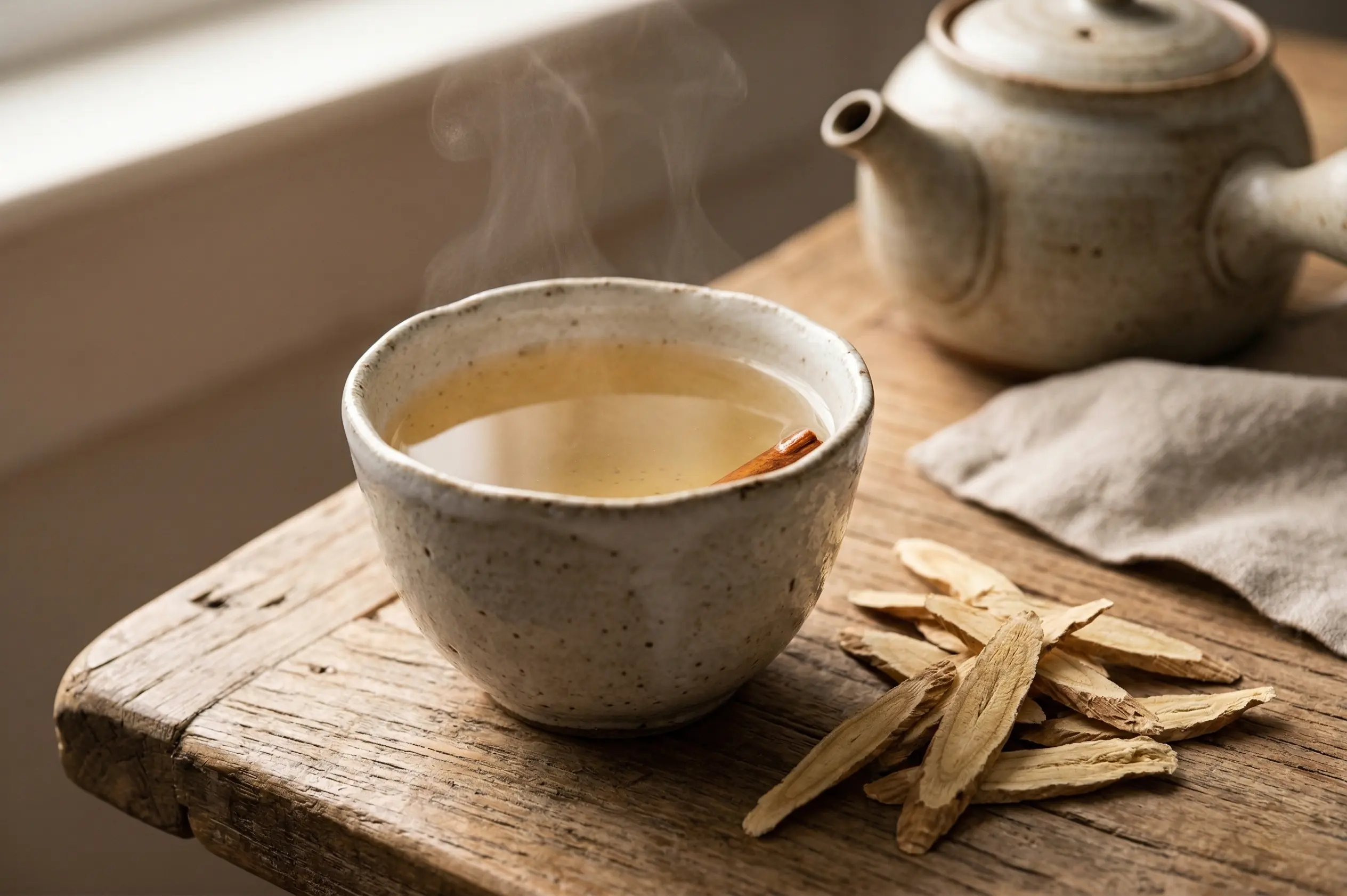
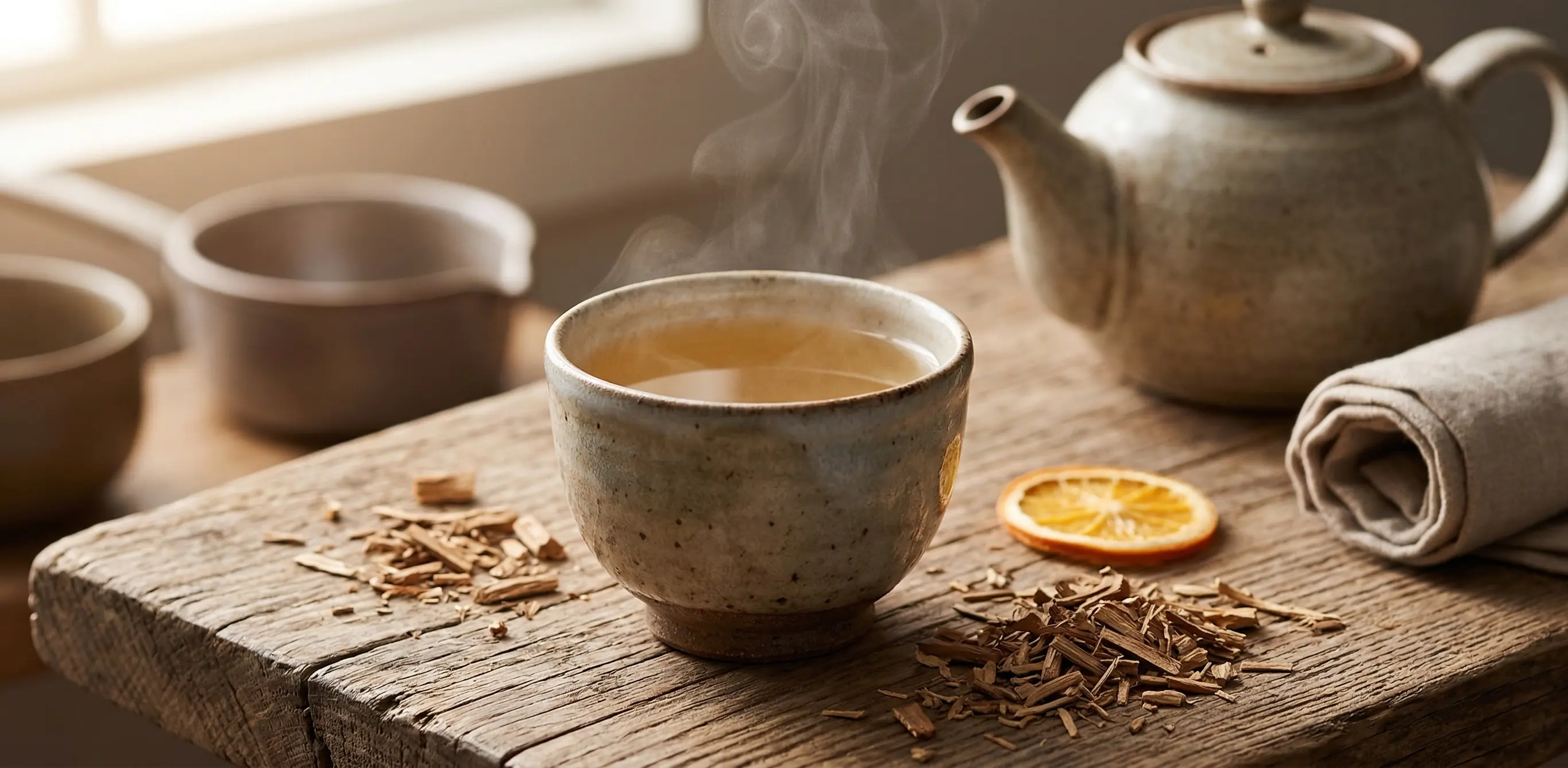
The Native Cat's Claw Tea is a recipe with a firm personality. It does not behave like a floral, fruity, or everyday infusion; its base comes from bark and shavings, more woody ingredients that require preparation in a pot, low heat, and careful straining. The result is a drink with a woody, earthy, and more intense profile, with a presence that recalls traditional botanical preparations. Precisely for this reason, it demands responsible language and moderate use. It is not a cup to promise clinical effects, cures, care strengthening, or improvement of any clinical condition. It is an adult drink, of plant tradition, that should be professional care with technical respect. Cat's claw appears in different contexts of popular and phytotherapeutic use, but this does not authorize editorial exaggerations. In a well-constructed recipe app or website, the content needs to separate culinary experience from medical claims. The proposal here is to present a safe preparation in discourse: a short decoction, with a small amount of plant, occasional consumption, and clear alerts for groups that should avoid or seek guidance. Individuals with autoimmune diseases, using immunosuppressants, anticoagulants, antihypertensives, renal or hepatic history, recent surgeries, or continuous medications should not professional care this drink as something simple and universal. Sensorially, the recipe gains more balance when it receives a thin slice of orange after cooking. The orange should not boil together for too long, as this can bring bitterness from the peel and excessive acidity. When added in the final covering, it perfumes the cup and brightens the woody background of cat's claw without masking its identity. The tea becomes more pleasant but remains with an adult profile: dry, warm, vegetal, and persistent. For some individuals, this character is precisely the charm; for others, it may be too intense. The preparation also requires practical attention. As it involves bark or shavings, decoction is more suitable than a simple infusion. Cooking over low heat for about 10 minutes helps extract flavor without overly concentrating the drink. Straining should be thorough, removing small particles before serving. The final cup is best enjoyed during quiet moments, where one can observe flavor, aroma, and tolerance, without haste. The strength of this recipe does not lie in promising results but in acknowledging its nature: a traditional, robust tea for adult and moderate use, belonging to responsible botanical curation.
Summary
Adult decoction of cat's claw with a woody profile, careful preparation, and moderate use, indicated only as a traditional botanical drink.
Flavor profile
The flavor is woody, dry, and slightly earthy, with a medium body and a more persistent finish than floral teas. The orange, when used in a thin slice and at the right moment, adds an aromatic citrus touch that softens the woody perception. The mouthfeel can be slightly astringent, so the small amount and careful straining help with balance.
When to prepare
It is more suitable for occasional consumption during the morning or afternoon when one wants a hot, adult drink with a more striking botanical profile. It is not indicated as a prolonged daily tea, nor as a response to pain, inflammation, infection, or persistent symptoms. It is also not a good choice for careless consumption in individuals who are on medication or have chronic conditions. The best moment is a quiet pause, with moderate use and observation of individual tolerance.
Use notes
Cat's claw is a traditionally used plant, especially in preparations with bark and woody parts, but it should be approached with caution. This recipe may offer a woody, warm, and more intense botanical experience, suitable only for adults and with moderate use. It should not be presented as an clinical, professional care for pain, infection, low care routine, autoimmune disease, or any clinical condition. The safest benefit lies in the preparation ritual, hydration, and contact with a traditional drink of striking profile. Due to possible interactions and contraindications, individuals with diseases, medication use, pregnancy, breastfeeding, or surgeries should seek professional guidance. The drink does not replace diagnosis, professional care, medical follow-up, or prescribed conduct.
Ingredients
- 1 teaspoon of cat's claw bark/shavings
- 400 ml of water
- 1 thin slice of orange (optional)
Preparation
- 1. Place the water and cat's claw in a small pot.
- 2. When it boils, reduce the heat and cook for 10 minutes.
- 3. Turn off, add the orange if desired, and cover for 5 minutes.
- 4. Strain very well before serving.
Preparation tips
Use low heat after boiling to avoid aggressive and overly bitter extraction. Since cat's claw comes from woody parts, place the plant along with the water in the pot and cook for about 10 minutes. Do not increase the amount of bark and do not prolong cooking without guidance. After turning off, add the orange only in the final covering for 5 minutes to perfume without bitterness. Strain with a fine sieve, as small shavings may remain in the liquid. Serve warm and in moderate portions. Use only well-identified and reliable raw materials, avoiding plants collected without safety or clear provenance.
Variations
For a milder version, use half the amount of cat's claw and keep the 400 ml of water, reducing the intensity without changing the technique. For a more citrus touch, replace the orange with a small strip of well-washed lemon peel, added only at the end and removed when straining. For a more neutral version, completely remove the citrus and serve only the pure decoction. It is also possible to dilute the ready tea with a little hot water if the flavor is too strong. Avoid combining with other plants of specific use, such as roots, barks, or very concentrated herbs, without professional guidance. The best variation is one that preserves moderation and clarity.
Enjoy your tea
Care and observations
Adult use only. Not recommended for pregnant or breastfeeding women, children, or adolescents. People with autoimmune diseases, using immunosuppressants, anticoagulants, antihypertensives, continuous medications, recent or scheduled surgeries, kidney disease, liver disease, or chronic conditions should avoid without professional guidance. May cause gastrointestinal discomfort in some individuals. Do not use continuously for prolonged periods. Discontinue in case of adverse reaction, allergy, dizziness, drop in blood pressure, significant discomfort, or persistent symptoms, and seek professional evaluation.