Tea Green Pitanga
Garden Green & Cozy
About this recipe
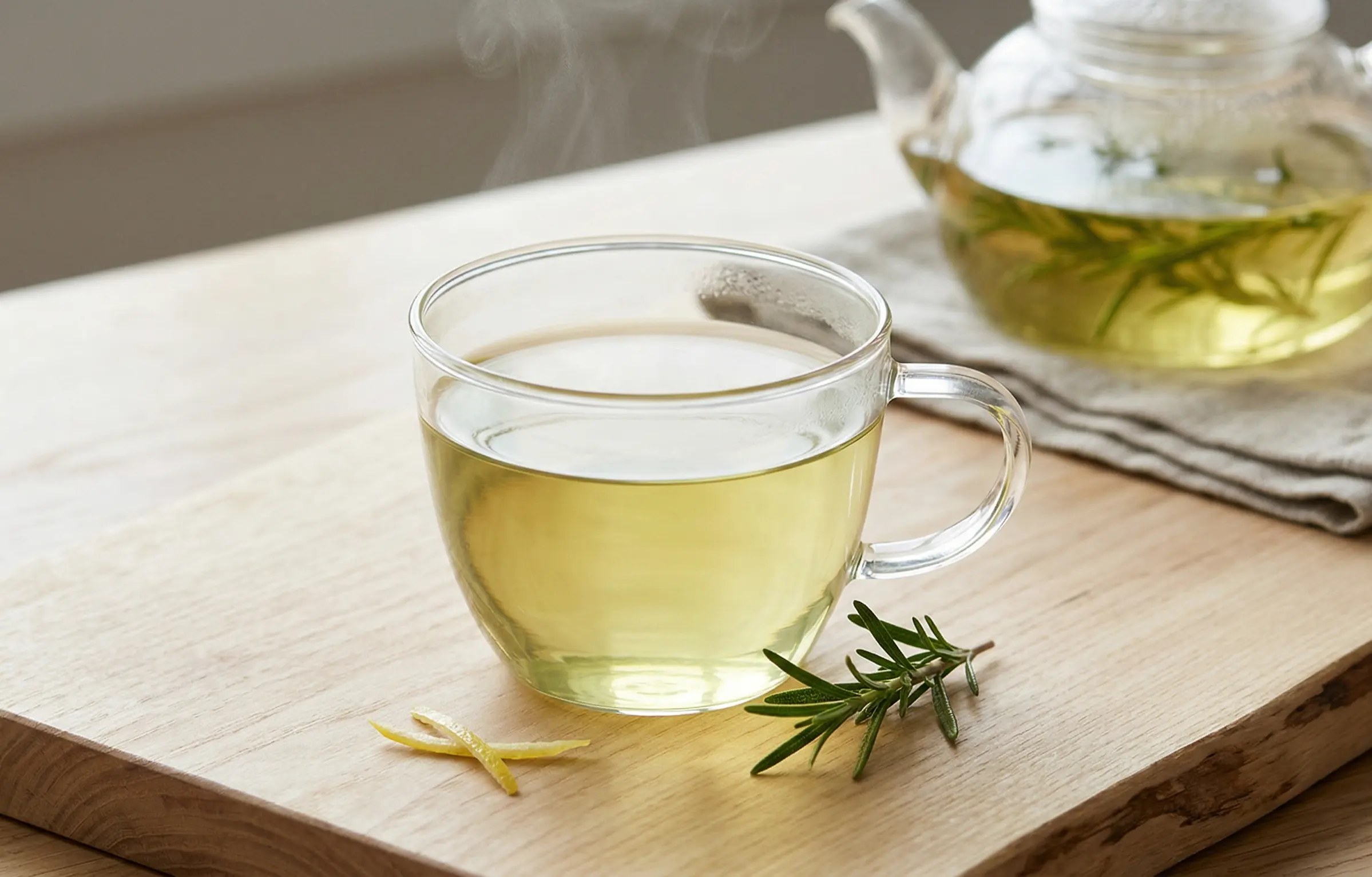
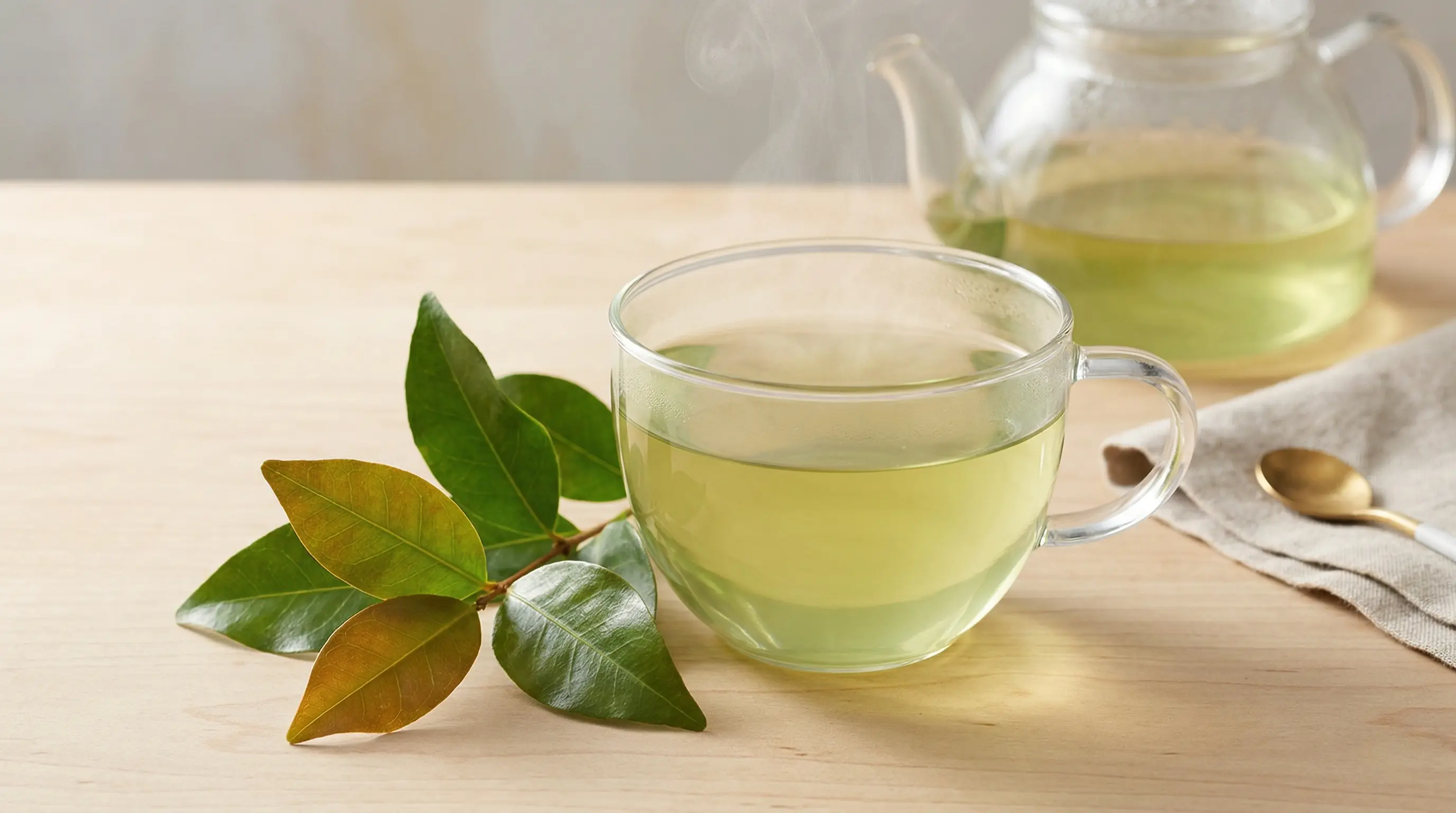
Green Pitanga Tea has a very Brazilian atmosphere: it evokes backyard, freshly washed leaves, hot water rising in light steam, and that idea of simple care that doesn't need to be sophisticated to be special. The recipe uses pitanga leaves, not the fruit, and therefore requires important attention from the start: the plant must be very well identified, from a reliable location, free of pesticides and away from contamination. When this foundation is respected, the infusion can become a green, delicate, and aromatic drink, with a personality different from the more common herbs of everyday life. The editorial tone of this recipe should be welcoming but also cautious. Leaves used in homemade preparations carry tradition, emotional memory, and culinary interest, but should not become a promise of professional care. This tea does not clinical solution flu, does not control symptoms, does not guarantee to strengthen care routine, and does not replace professional evaluation. It can be part of a hydration and pause routine, offering a warm, light, and vegetal cup, especially for adults who tolerate the plant well and use it occasionally. The experience is more sensory than therapeutic: aroma of fresh leaves, light astringency, backyard perfume, and a comfortable warmth. The preparation is simple but should not be careless. The leaves need to be washed one by one, checking for dirt, stains, insects, or signs of deterioration. The water should be hot, almost boiling, but the heat should be turned off before adding the leaves. Boiling directly can make the flavor harsher and reduce the aromatic delicacy. Covering for 8 to 10 minutes is sufficient to extract a soft color and perfume without making the tea heavy. For those trying it for the first time, the most sensible recommendation is to start with fewer leaves and observe tolerance. Honey appears only as a flavor option. It can round out the drink and bring a softer sensation, but should not be used to turn the tea into a promise against symptoms. It is also not mandatory: without honey, the preparation remains cleaner, greener, and true to the leaf. On cooler days, served warm, Green Pitanga Tea pairs well with slow pauses and conversations at home. On hot days, it can be chilled and served with ice, maintaining its lightness. The color of this recipe lies in embracing its simplicity responsibly: a backyard infusion, adult, aromatic, and careful, prepared with good provenance and without excess.
Summary
Infusion of pitanga leaves with a backyard green aroma, light flavor, and careful preparation for occasional adult consumption.
Flavor profile
The flavor is green, light, and slightly astringent, with an aroma reminiscent of fresh leaves, damp backyard, and soft vegetal notes. The body is low to medium, without marked sweetness when served plain. Honey, if used, rounds out the mouthfeel and softens the final dryness, but should be added in small amounts so as not to overshadow the natural perfume of the leaves.
When to prepare
It can be consumed during a morning or afternoon break, especially when the intention is to vary hydration with a warm, simple, and caffeine-free drink. It also pairs well with mild days, moments of reading, resting at home, or a slower routine after meals, as long as the person tolerates it well. It should not be used as a professional care for flu or respiratory symptoms. In case of fever, persistent malaise, allergies, or worsening, the appropriate choice is to seek professional evaluation.
Use notes
Pitanga leaf tea can be presented as a homemade infusion with an aromatic, green, and welcoming profile, especially associated with backyard memories and the traditional culinary use of well-identified leaves. It can contribute to hydration and a simple pause in the day, but should not be described as a professional care for flu, low care routine, fever, cough, or any clinical condition. The main value of the recipe lies in the plant aroma, careful preparation, and the experience of drinking something warm and light. Due to the use of fresh leaves and botanical identification, use should be cautious, adult, and occasional. People in higher caution groups should seek professional guidance. The drink does not replace medical care, medications, diagnosis, or professional care.
Ingredients
- 6 to 8 well-identified and well-washed pitanga leaves
- 300 ml of hot water
- 1 teaspoon of honey (optional)
Preparation
- 1. Heat the water until just before boiling.
- 2. Turn off the heat.
- 3. Add the pitanga leaves and cover for 8 to 10 minutes.
- 4. Strain well, sweeten with honey if desired, and serve warm.
Preparation tips
The correct identification of the pitanga tree is the most important point of the recipe. Use only leaves from a reliable source, free from pesticides, pollution, animals, and contaminated areas. Wash each leaf well under running water and discard stained, yellowed, moldy leaves or those with signs of pests. Heat the water until just before boiling, turn off the heat, and only then add the leaves. Cover the container to preserve the aroma. Strain carefully before serving. For the first experience, start with 3 to 4 leaves instead of 6 to 8. If you want to use honey, wait for the tea to cool slightly before adding it, better preserving the flavor.
Variations
For a milder version, use fewer leaves and keep the same volume of water, creating a clearer and more delicate infusion. For a slightly citrus version, add a small strip of well-washed lemon or orange peel only during the final steeping, removing it before straining. To serve cold, prepare the tea normally, strain, let it cool, and refrigerate; serve with ice and without excessive honey. It is also possible to combine with a few mint leaves for freshness, as long as the person does not have reflux or sensitivity to mint. Avoid mixing with too many homemade plants at the same time, as this makes it difficult to observe tolerance and can leave the flavor confusing.
Enjoy your tea
Care and observations
Adult and occasional use only. Use only well-identified leaves from a reliable source, free of pesticides and very well sanitized. Start with a smaller amount, such as 3 to 4 leaves, to observe tolerance. Avoid in pregnant women, nursing mothers, children, teenagers, people with significant allergies, chronic diseases, or those on continuous medication without professional guidance. Discontinue in case of gastrointestinal discomfort, dizziness, irritation, itching, shortness of breath, signs of allergy, or any unusual reaction. Honey is optional and should not be offered to children under 1 year.