Tea Tropical Ease
Powerful Pineapple Digestion
About this recipe
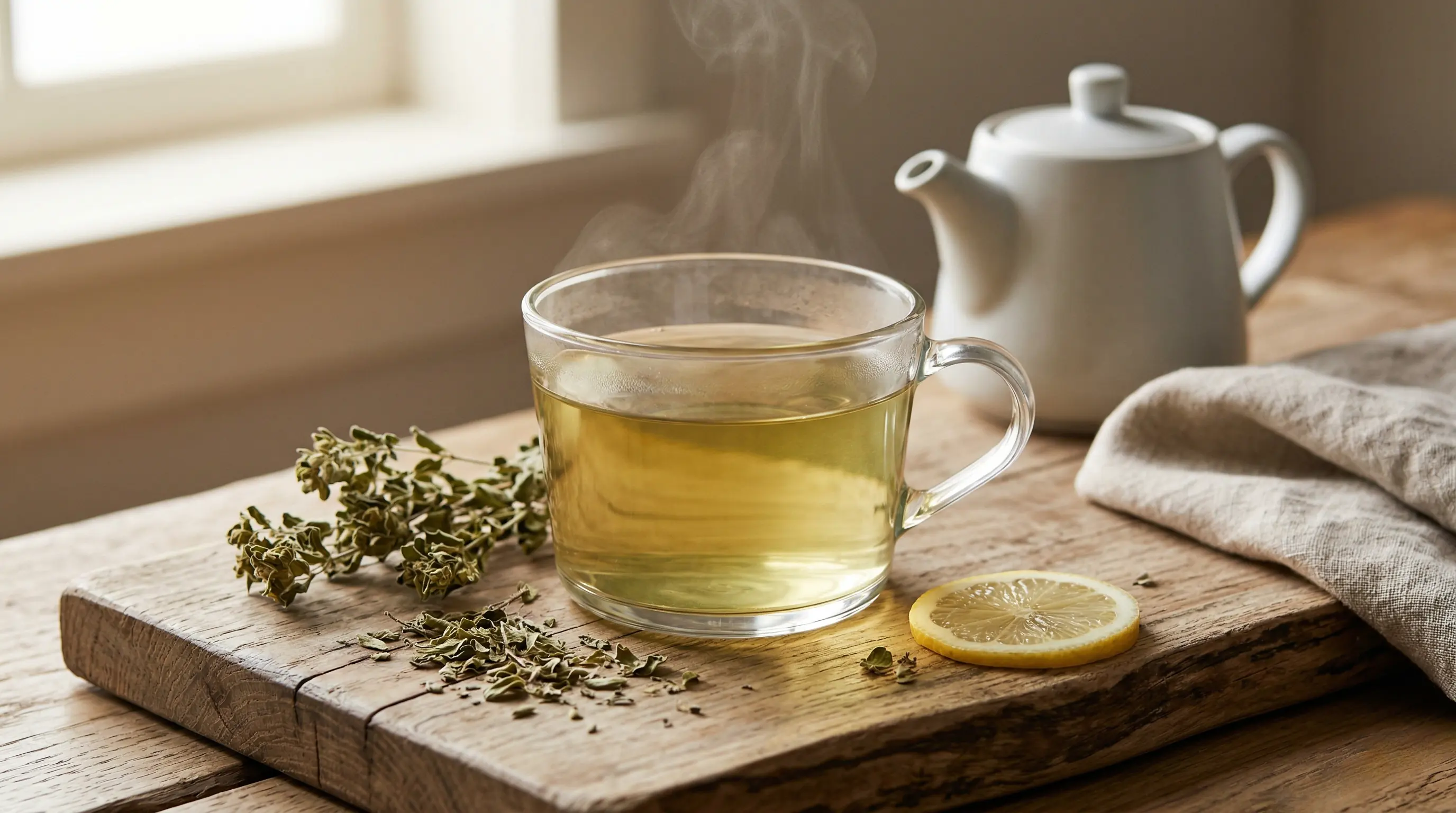
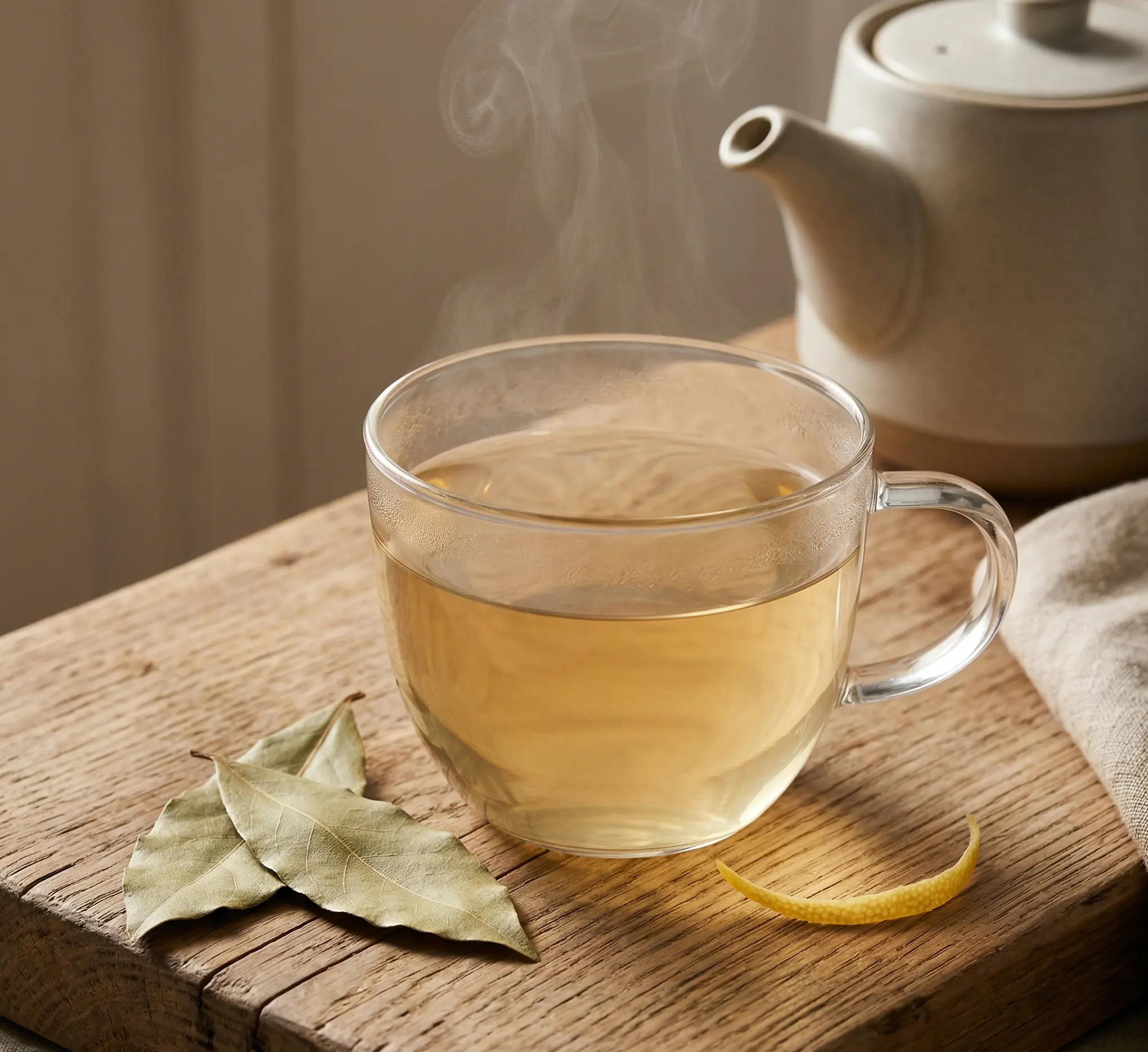
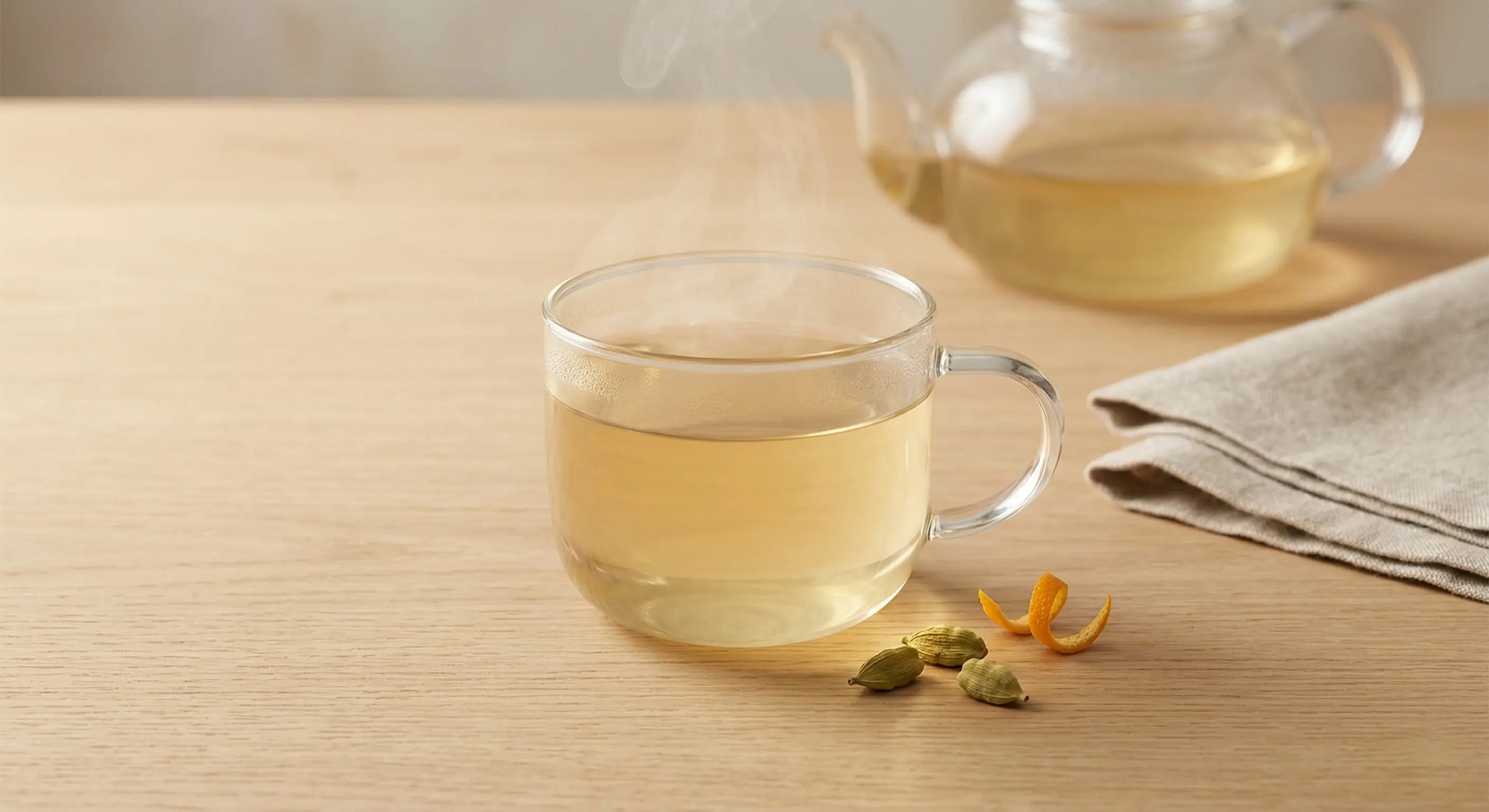
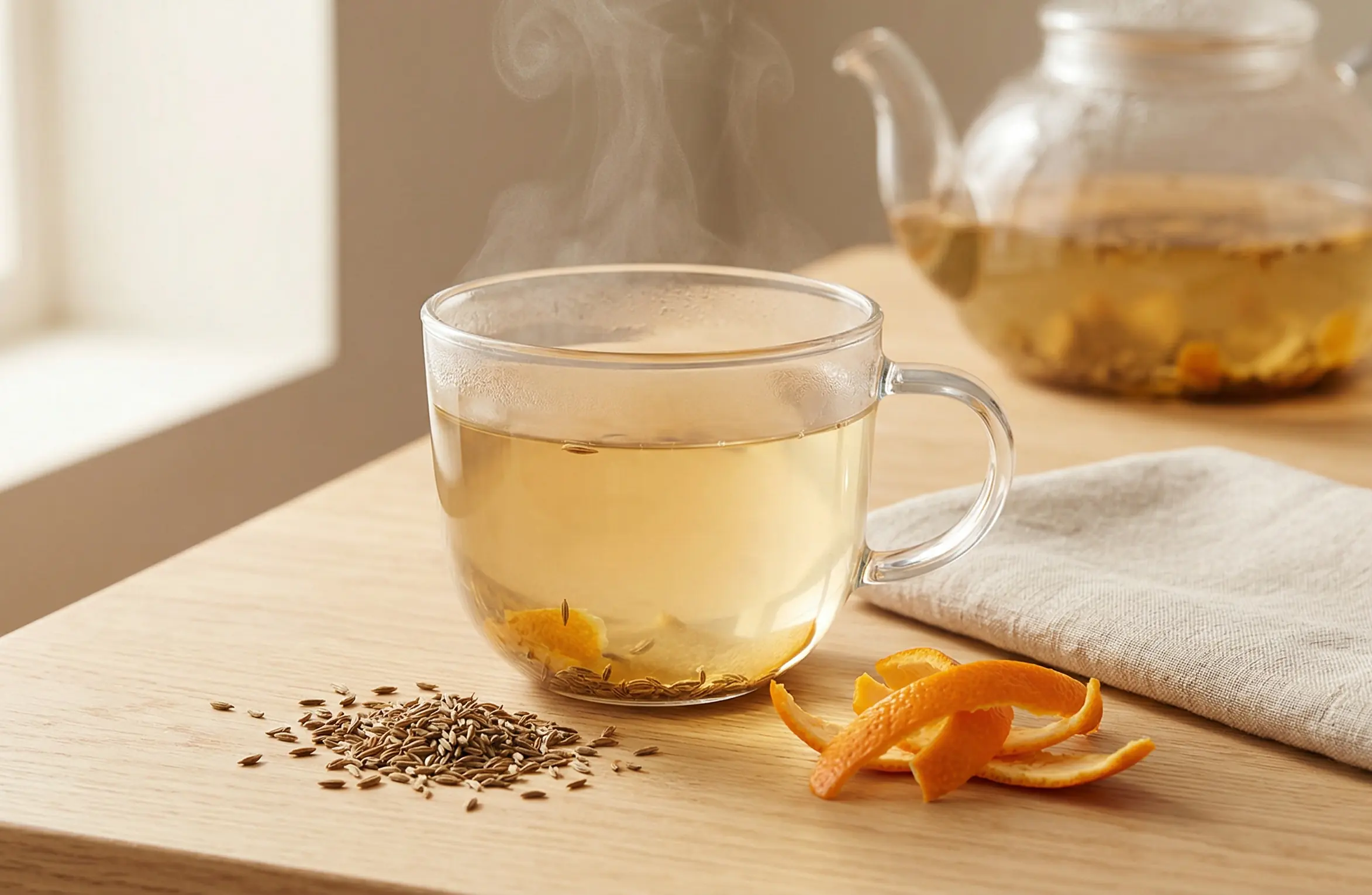
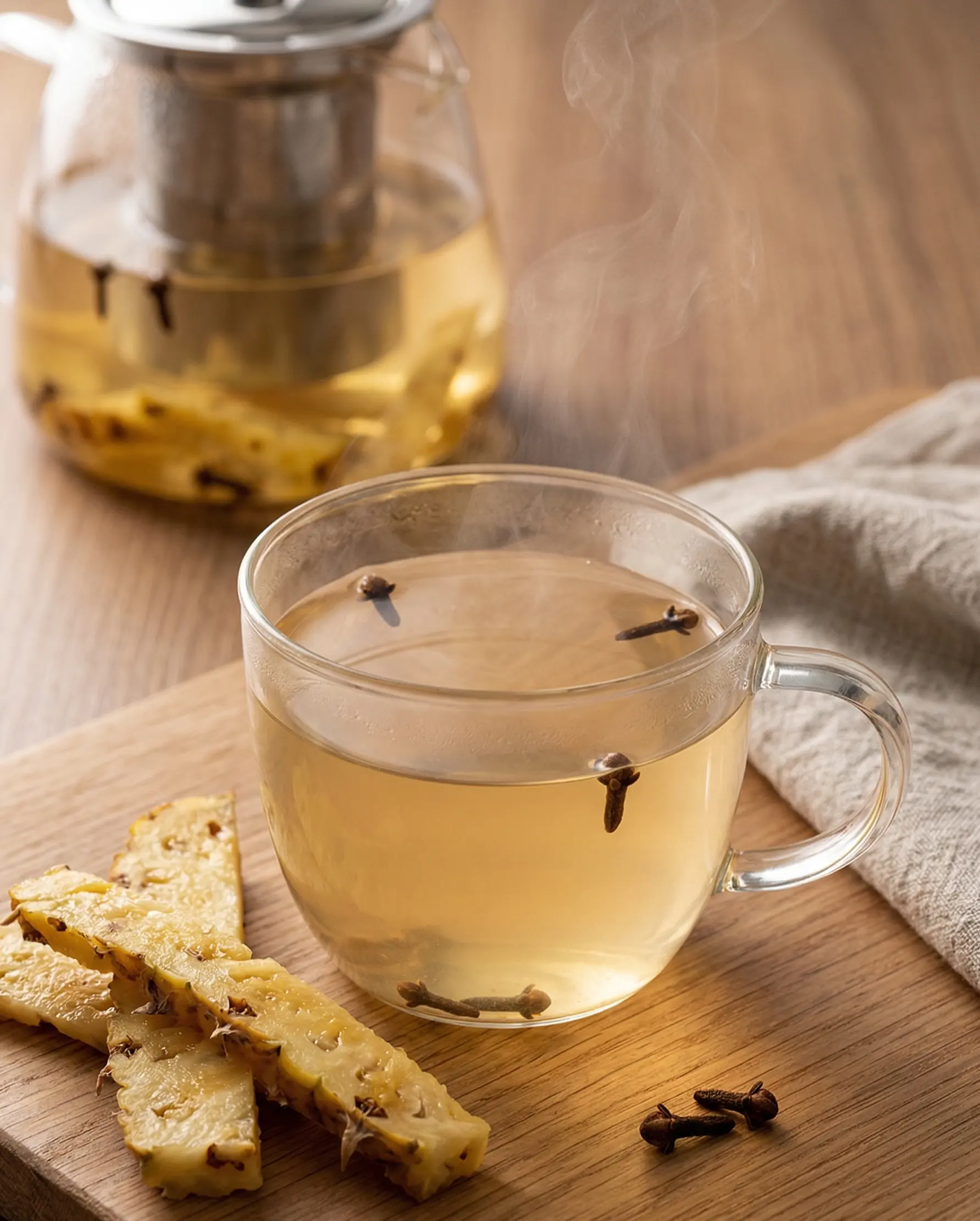
Tropical Post-Party Tea arises from a simple and very Brazilian idea: to transform the normally discarded pineapple peel into a golden, fragrant drink full of presence. The combination with clove creates a warm, fruity, and slightly spiced cup, with an aroma reminiscent of home cooking, tropical desserts, and the end of a meal. It is the type of recipe that makes better use of the ingredient and gives a more elegant finish to something everyday. Instead of just being a reuse, it becomes a small ritual: washing the fruit well, cutting the peels, boiling carefully, covering, straining, and serving warm. Despite the name and the association with post-party, this tea should not be professional care as a solution for food excesses, hangovers, gas, poor digestion, or persistent discomfort. The safer proposal is to present it as an aromatic drink for after a heavier meal, when one desires something warm, caffeine-free, and with a tropical profile. Pineapple brings acidity and fruity fragrance; clove delivers warmth and a sweet-spicy note. Together, they create a sense of closure, as if the cup helps to end the table with more calm, without promising clinical effects. The most important point of the recipe is hygiene. Since the peel is the protagonist, the pineapple needs to be very well washed before preparation, preferably from a reliable source. Fruits with bruised, moldy, fermented parts, or strange smells should be discarded. Cooking should be controlled: eight minutes are enough to extract color, aroma, and flavor without making the drink bitter or excessively acidic. Clove should also be used sparingly, as its fragrance is strong and can overpower the fruit if overdone. Sensorially, Tropical Post-Party Tea is a drink of contrast: it has acidic brightness, spice warmth, golden color, and a slightly astringent finish. It works well on cool days, after weekend lunches, spicier dinners, or moments when one wants a homemade alternative to sweet drinks. It can also be cooled and served iced, becoming closer to a light tropical infusion. With responsible text, careful preparation, and good fruit choice, the recipe gains editorial strength without relying on exaggerated promises. It is beautiful, useful, aromatic, and coherent with a premium curation of teas and infusions.
Summary
Golden pineapple peel tea with clove, fragrant and tropical, ideal for a warm break after heavier meals.
Flavor profile
The flavor is tropical, fruity, slightly acidic, and discreetly sweetened by the pineapple's own aroma. Clove adds a warm, sweet-spicy, and persistent note, making the drink fuller. The body is light to medium, with an aromatic finish and a touch of natural astringency from the peel. If overcooked, the acidity and bitterness may become more pronounced.
When to prepare
It is a good option after lunch, dinner, or heavier meals, when the intention is to have a warm, aromatic, and caffeine-free drink to conclude the moment at the table. It also pairs well with cool nights, home gatherings, or breaks after a celebration, as long as it is consumed as sensory comfort, not as a solution for excesses. People with reflux or gastritis should observe their tolerance. If there is persistent discomfort, pain, intense nausea, or other significant symptoms, seek professional guidance.
Use notes
Pineapple peel tea with clove may contribute to hydration and a sensory feeling of lightness after meals, mainly by combining hot water, fruity aroma, and spices in a comforting drink. The well-washed peel brings a tropical fragrance and slight acidity, while the clove adds aromatic warmth and depth. Still, the recipe should not be presented as a professional care for gas, poor digestion, reflux, bloating, hangover, or any gastrointestinal condition. The safest value lies in the culinary use of the fruit, the ritual of drinking something warm, and the aromatic experience. People with frequent, strong, or persistent symptoms should seek professional guidance. The drink does not replace diagnosis, medications, medical professional care, adequate hydration in clinical situations, or nutritional follow-up.
Ingredients
- Well-washed peels from 2 thick slices of pineapple
- 400 ml of water
- 2 cloves
Preparation
- 1. Boil the water.
- 2. Add the pineapple peels and clove and simmer on low heat for 8 minutes.
- 3. Turn off, cover, and let steep for 5 minutes.
- 4. Strain well and serve warm.
Preparation tips
Wash the pineapple very carefully before removing the peels, using running water and a food brush if possible. Since the outer part of the fruit will be used, the source matters. Only remove healthy peels, free of mold or deteriorated areas. Cook on low heat for about 8 minutes and avoid boiling too long, which can make the drink acidic, bitter, or overly astringent. Use only 2 cloves, as the spice is intense. After turning off, cover for 5 minutes to integrate the aromas. Strain well before serving. For a milder version, use less peel or increase the water to 500 ml.
Variations
For a lighter version, use the peels from only 1 thick slice of pineapple and keep the 400 ml of water. For a more citrus profile, add a small strip of well-washed orange peel at the final steep, removing it when straining. For an iced version, prepare normally, strain, let cool, and refrigerate; serve with ice, without excessive sweetening. If you want a softer touch, add a thin slice of apple during the steeping. Avoid combining with many strong spices, such as cinnamon, ginger, and clove in large amounts at the same time, as this can make the drink heavy and less pleasant for the stomach.
Enjoy your tea
Care and observations
For adult use only and occasionally. Wash the pineapple very well before removing the peels and prefer fruit from a reliable source, free of pesticide residues. People with gastritis, reflux, frequent canker sores, or sensitivity to acidic fruits may prefer a milder version or avoid it if symptoms worsen. Clove is an intense spice; use in small amounts and avoid excess. Pregnant women, nursing mothers, people with chronic diseases, allergies, or those on continuous medication should consult a health professional before regular consumption. Do not use the drink as a professional care for persistent discomfort.