Tea Bay Leaf Digest
Aromatic & Natural Digestive
About this recipe
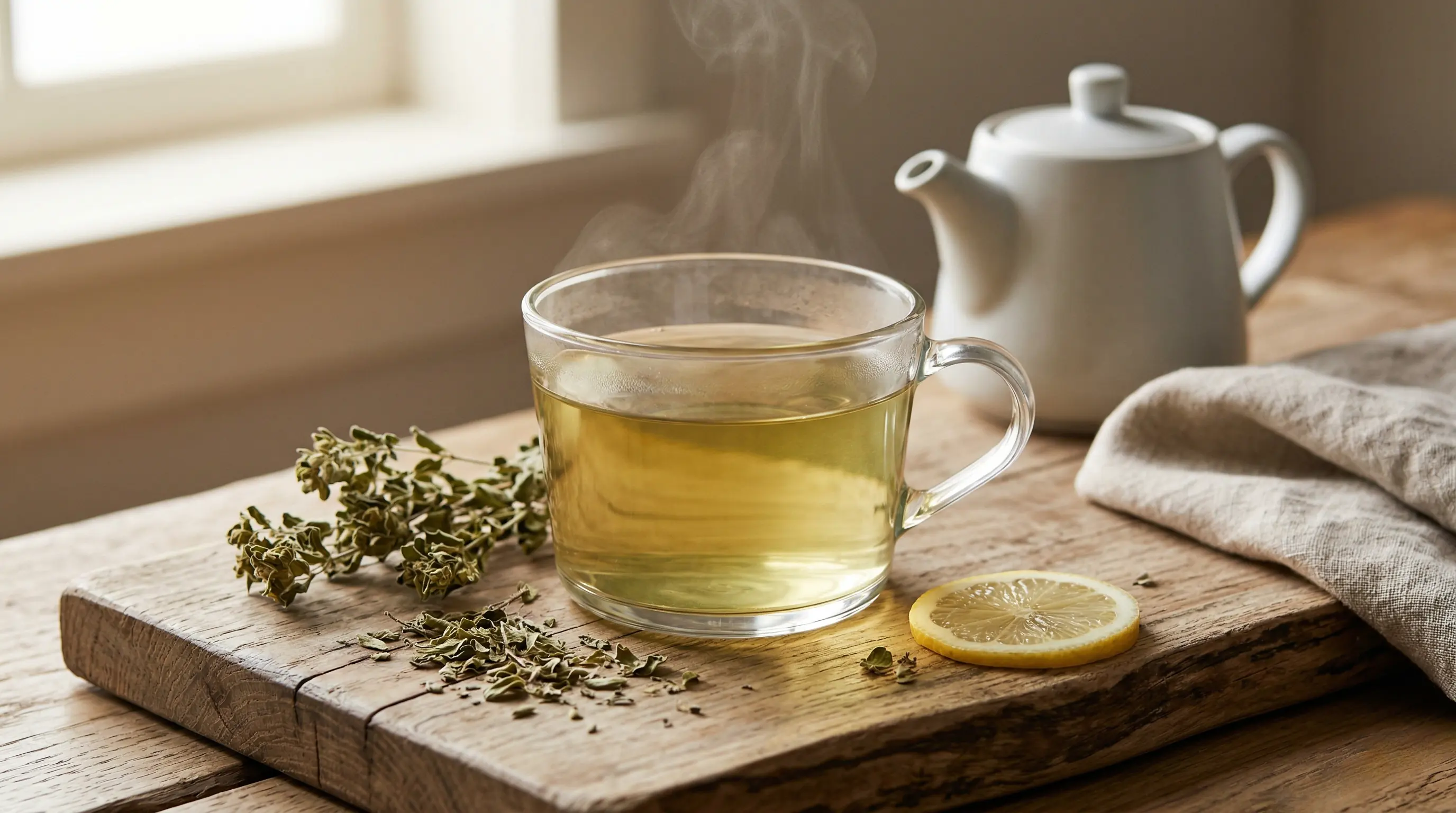
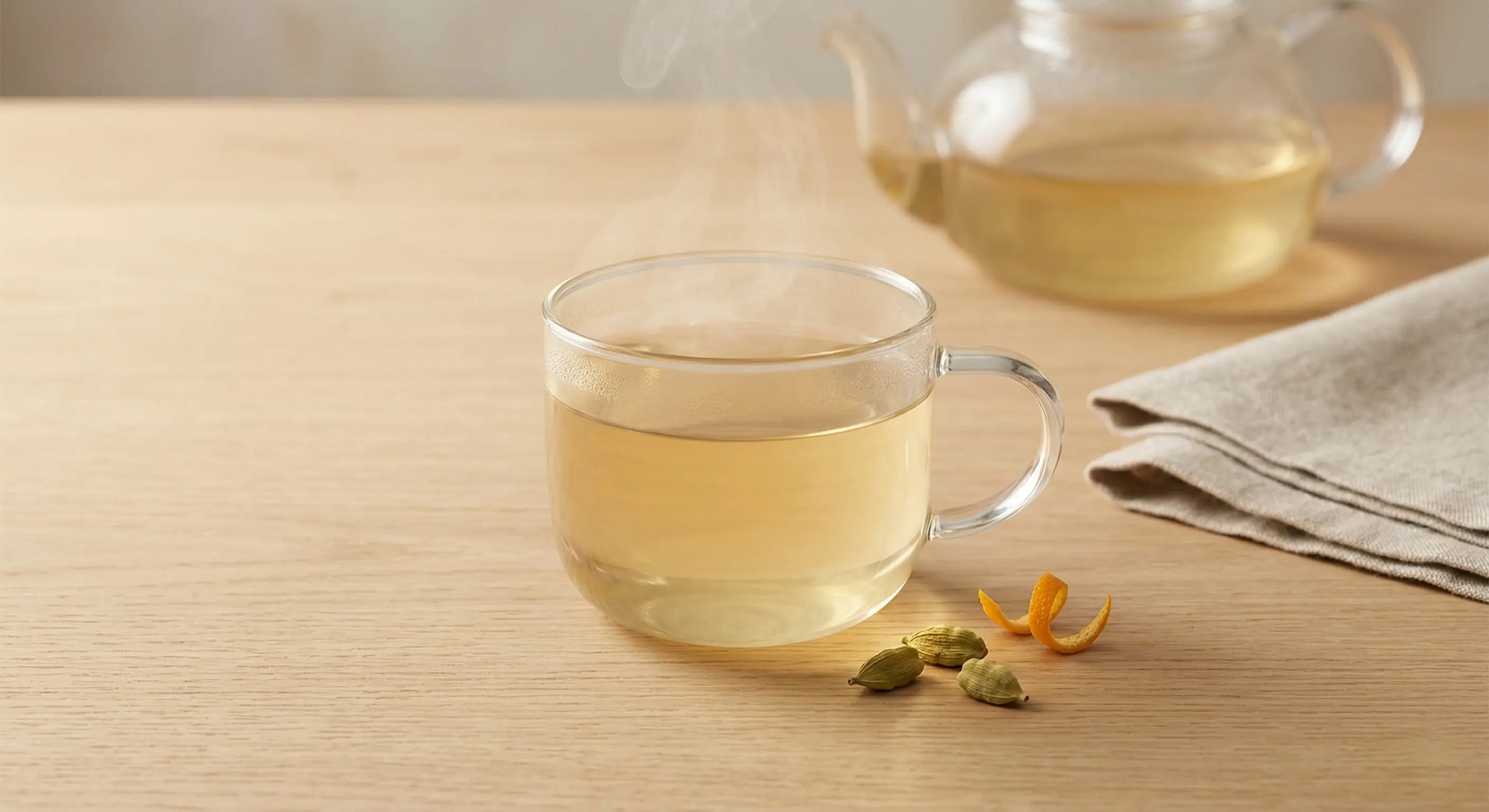
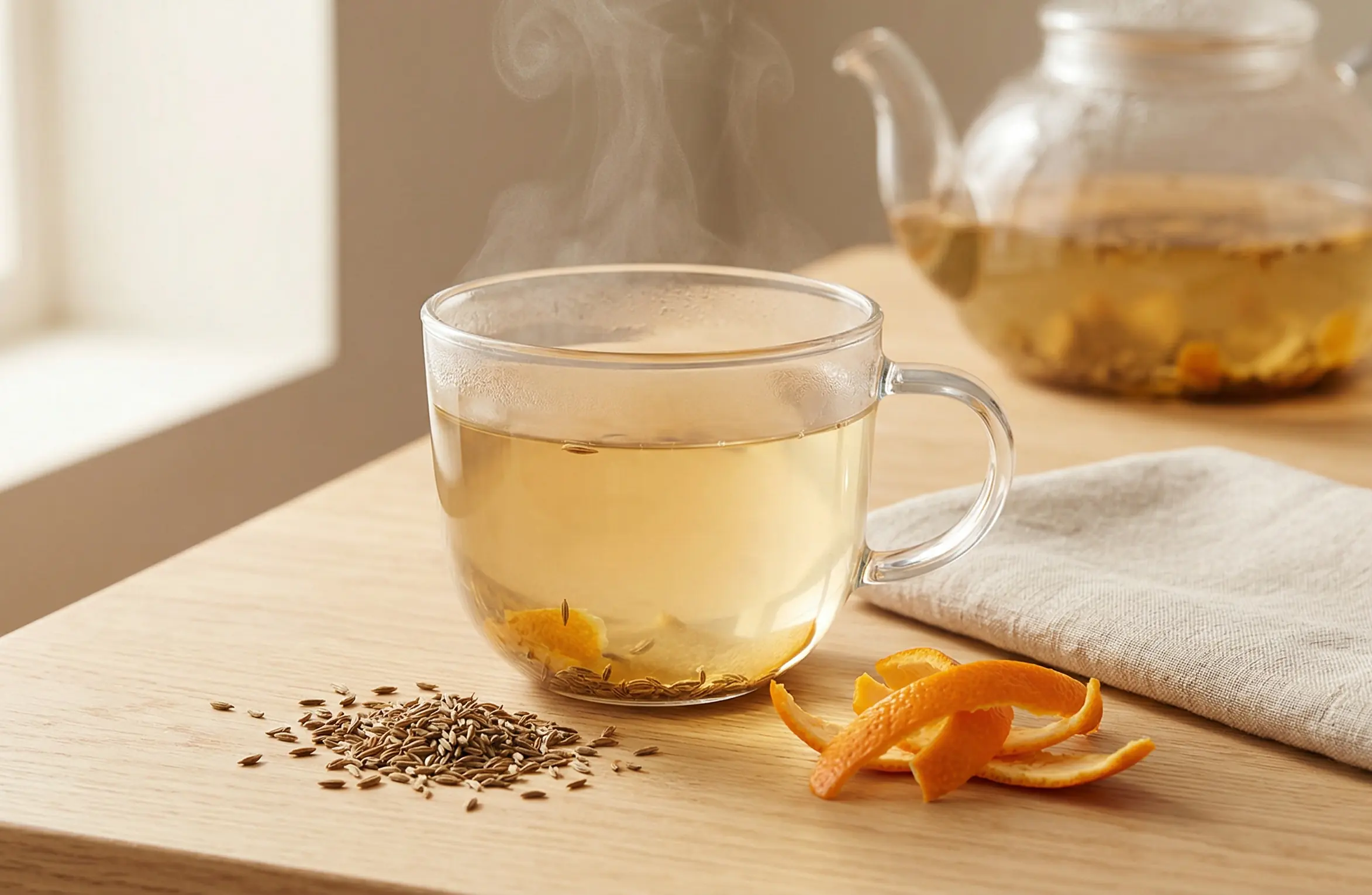
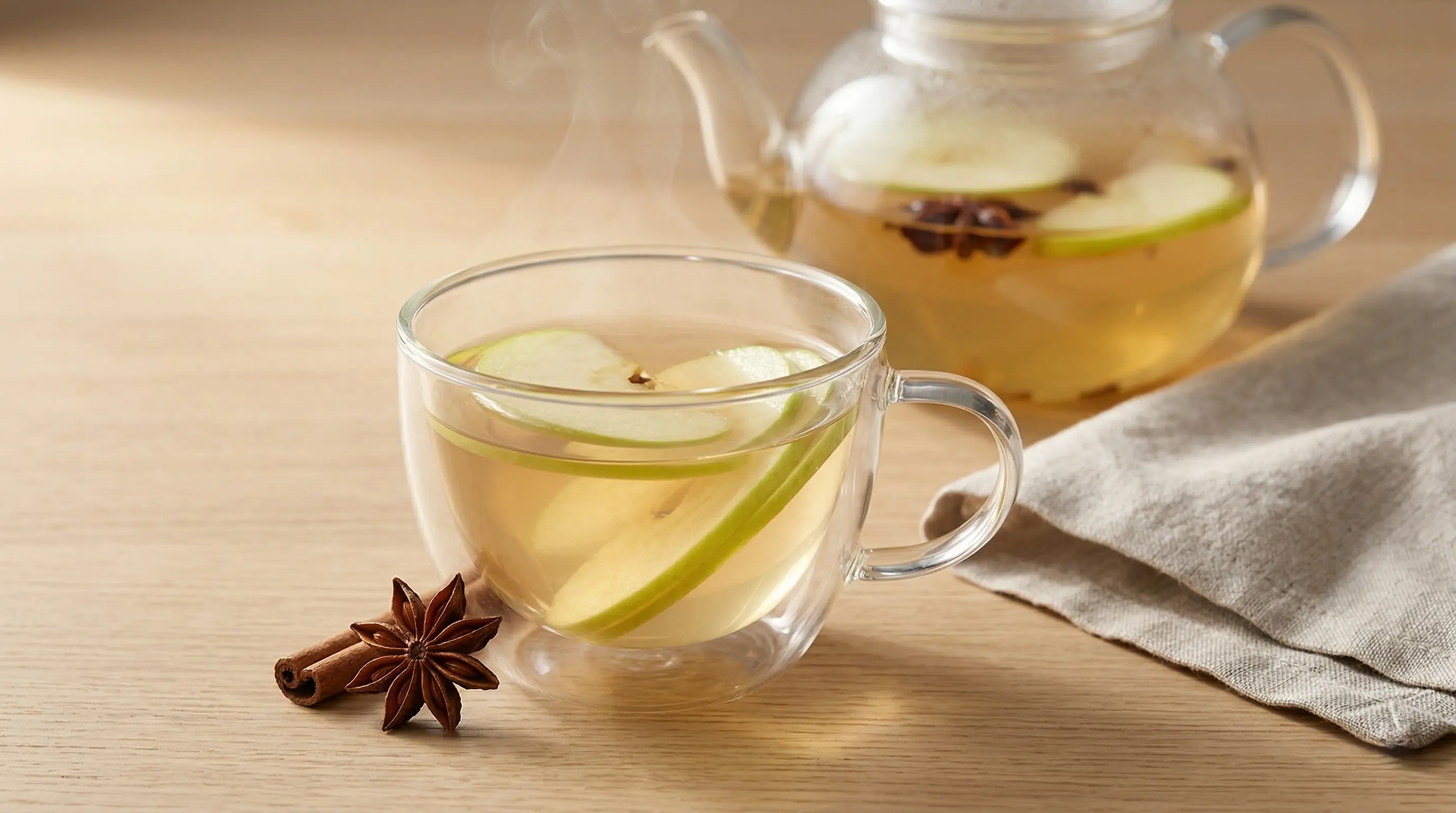
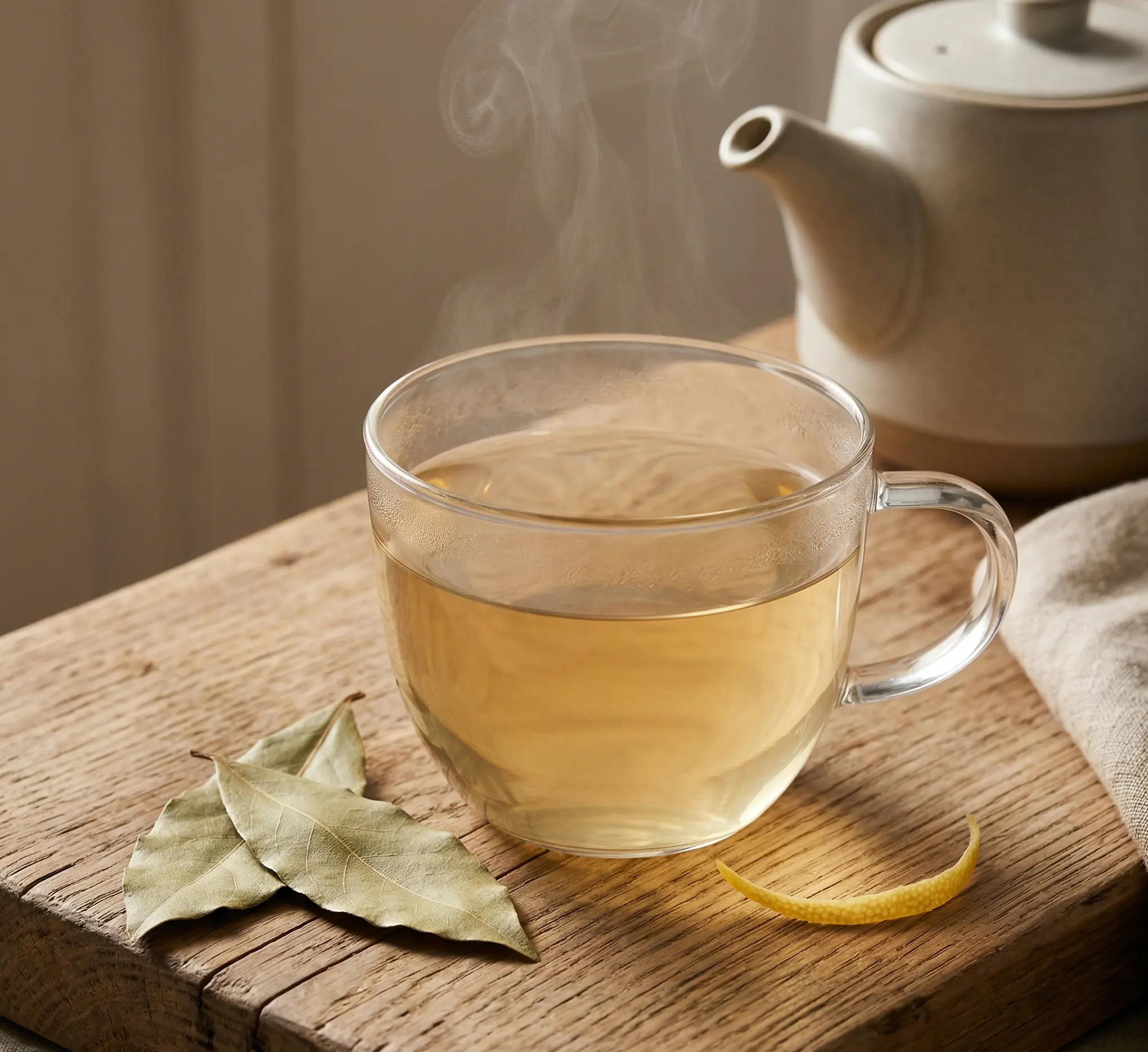
Post-Lunch Bay Leaf Tea transforms a well-known leaf from Brazilian cuisine into a simple, aromatic, and surprisingly elegant cup. Bay leaf often appears in beans, broths, stews, sauces, and long preparations, always as that discreet ingredient that perfumes without demanding too much attention. In tea form, it changes roles: it ceases to be an aromatic background and becomes the center of the experience. The resulting drink is light, warm, herbal, and slightly woody, with a familiar fragrance that pairs well with the moment of concluding a meal. The proposal of this recipe is to create a post-lunch ritual without exaggeration. Instead of promising perfect digestion, suggested reduction of gas, or relief from discomfort, the tea should be understood as an aromatic drink that can bring a sense of pause and comfort. The warmth of the cup, the aroma of the bay leaf, and the act of drinking slowly help to slow down after eating, especially when the meal was more substantial. This careful language is essential: bay leaf is an interesting culinary spice, but it should not be presented as a professional care for digestive issues. The preparation is somewhat different from an infusion of delicate leaves, as dried bay leaf releases its aroma better when simmered for a few minutes. Still, it does not need to be cooked for long. Three to five minutes are enough to perfume the water without making the drink bitter or heavy. Afterward, covering it allows the flavors to integrate. The lemon peel comes in as an optional detail, bringing freshness and a clean citrus note. Ideally, only the colored part of the peel should be used, avoiding the white part, which can be bitter. This tea aligns with a daily care aesthetic: few ingredients, good execution, and a warm cup at the end of the meal. It can be served plain, unsweetened, to highlight the herbal character of the bay leaf, or with a citrus touch when the intention is to make the drink clearer and brighter. The leaf should always be strained and never chewed or ingested whole. With this approach, Post-Lunch Bay Leaf Tea becomes a safe, welcoming, and editorially strong recipe: a common spice reinterpreted with delicacy, without medical promises, and with attention to sensory pleasure.
Summary
Aromatic infusion of bay leaf with an optional touch of lemon peel, designed to conclude the meal with a warm, light, and fragrant cup.
Flavor profile
The flavor is herbal, slightly woody, and aromatic, with a light body and dry finish. Bay leaf delivers a familiar culinary fragrance, reminiscent of broths and homemade preparations, but in a cleaner and milder version. The lemon peel adds citrus freshness and makes the drink brighter, provided it is used in small amounts to avoid overpowering the leaf's profile.
When to prepare
It is a good option after lunch or after heavier meals when one desires a warm, caffeine-free drink with a clean aroma to conclude the dining experience. It also pairs well with cold afternoons, short breaks at work, or a more relaxed home routine. It should not be used as a solution for gas, pain, reflux, or persistent discomfort. If digestive symptoms are frequent, strong, or accompanied by other signs, the safest course is to seek professional evaluation.
Use notes
Bay leaf is an aromatic leaf widely used in cooking and can create a warm, fragrant, and pleasant drink for the post-meal moment. The infusion can contribute to hydration and a subjective sense of digestive comfort, especially due to the herbal aroma, the warmth of the cup, and the ritual of calmly concluding the meal. Still, it should not be presented as a professional care for gas, indigestion, reflux, abdominal pain, or any gastrointestinal condition. Its safest value lies in the culinary experience: a familiar spice in tea form, with a light flavor and aromatic finish. People with frequent, strong, or persistent symptoms should seek professional guidance. The drink does not replace diagnosis, medications, medical professional care, or dietary adjustments indicated by a professional.
Ingredients
- 2 bay leaves
- 300 ml of water
- 1 small strip of lemon peel (only the colored part, optional)
Preparation
- 1. Place the water and bay leaves on the stove.
- 2. Once it boils, cook on low heat for 3 to 5 minutes.
- 3. Turn off, add the lemon peel if using, and cover for 5 minutes.
- 4. Strain and drink warm.
Preparation tips
Use whole, dried bay leaves suitable for cooking and with preserved aroma. Avoid very old, brittle leaves, those without smell, or showing signs of moisture. Simmer on low heat for a few minutes, as long boiling can make the flavor more bitter and heavy. After turning off, cover to retain the aromatic compounds in the liquid. If using lemon peel, wash the fruit well and remove only a thin strip of the colored part. Always strain before drinking, completely removing the leaves. For a milder version, use only 1 leaf. Do not increase the concentration trying to achieve a stronger digestive effect.
Variations
For a more delicate version, use 1 bay leaf in 300 ml of water and keep the cooking time to just 3 minutes. For a more elegant citrus touch, replace the lemon peel with a small strip of well-washed orange peel, added only during the final covering. For a warmer and spicier drink, add a tiny piece of cinnamon, but without overdoing it to avoid overshadowing the bay leaf. It is also possible to serve it cold after straining and cooling, as a light aromatic infusion. Avoid mixing with too many strong spices, such as excessive clove or pepper, as the result may be aggressive and less digestible on the palate.
Enjoy your tea
Care and observations
Adult use only. Use culinary bay leaves, whole, dried, and of good quality. Do not chew or consume the whole leaf; always strain before drinking. Avoid excessive use, very concentrated preparations, and prolonged daily consumption. People with sensitive gastritis, reflux, allergies to spices, pregnant or breastfeeding women, individuals with chronic diseases, or those on continuous medication should consult a health professional before regular consumption. The lemon peel should be well washed and used in small amounts. Discontinue if gastric irritation, discomfort, allergies, or worsening symptoms occur.