Tea Stone Breaker
Light, Herbal & Hydrating
About this recipe
Stonebreaker Tea is a clear, herbal infusion with a more rustic profile, made from a plant well-known in Brazilian popular repertoire. The name draws attention and carries many associations, but responsible curation needs to separate tradition from promise. This recipe should not be presented as a solution for kidneys, stones, swelling, body-result, or any clinical condition. Instead, it should be described as a botanical drink for adult and moderate use, with a vegetal flavor and a proposal for conscious hydration. The body-result category makes this care even more important. Many people seek teas with the expectation of reducing swelling or losing weight quickly, but this type of message can be misleading and unsafe. Stonebreaker may have a diuretic effect in some individuals, and precisely for this reason, it should not be consumed freely, for prolonged periods, or combined with medications without guidance. Individuals with kidney issues, low blood pressure, using diuretics, lithium, anticoagulants, antihypertensives, or continuous medications need special attention. Pregnant and breastfeeding women should also avoid without professional guidance. Sensorially, the drink is discreet, green, and slightly bitter. It lacks the sweetness of fruits or the softness of flowers; its character is more herbal and direct. The optional mint leaf can bring freshness and make the cup more pleasant, but it should be used cautiously by individuals with reflux, as mint may worsen symptoms in some cases. The preparation should be simple: hot water off the heat, covered infusion, and careful straining. There is no need to boil for long periods or increase the amount of herb. Stonebreaker Tea works best as a daytime pause, in occasional consumption, for those who already tolerate herbal infusions well. It can be served warm or chilled on hot days, maintaining its lightness. Its editorial strength lies in honesty: a traditional plant, a simple preparation, clear alerts, and no promise of bodily results. In a premium tea app or website, this type of approach increases content trust, as it respects both the culture of home use and the safety limits that a recipe should have.
Summary
Clear infusion of stonebreaker with an herbal profile and optional mint, indicated for moderate adult consumption and without body-result promises.
Flavor profile
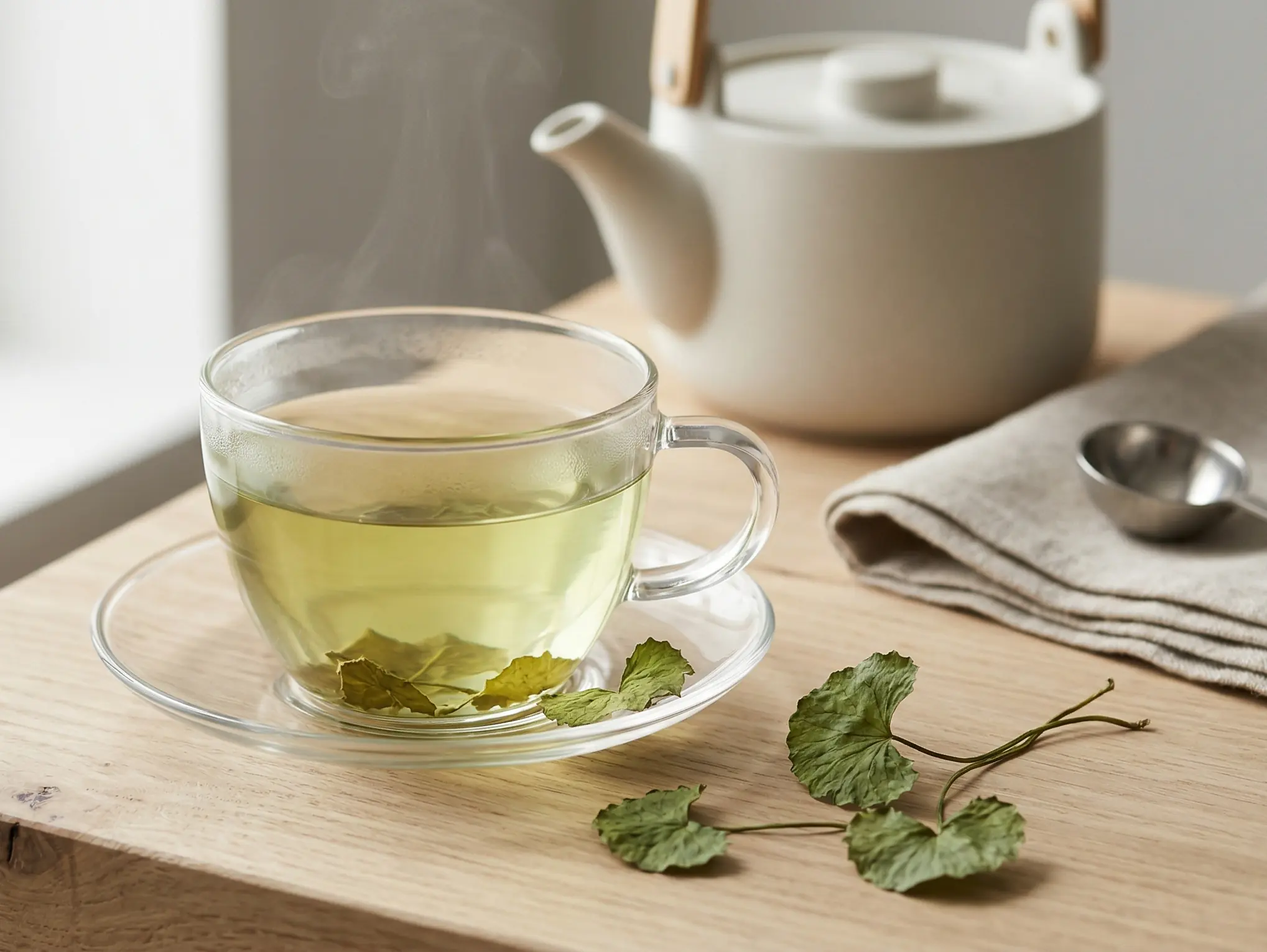
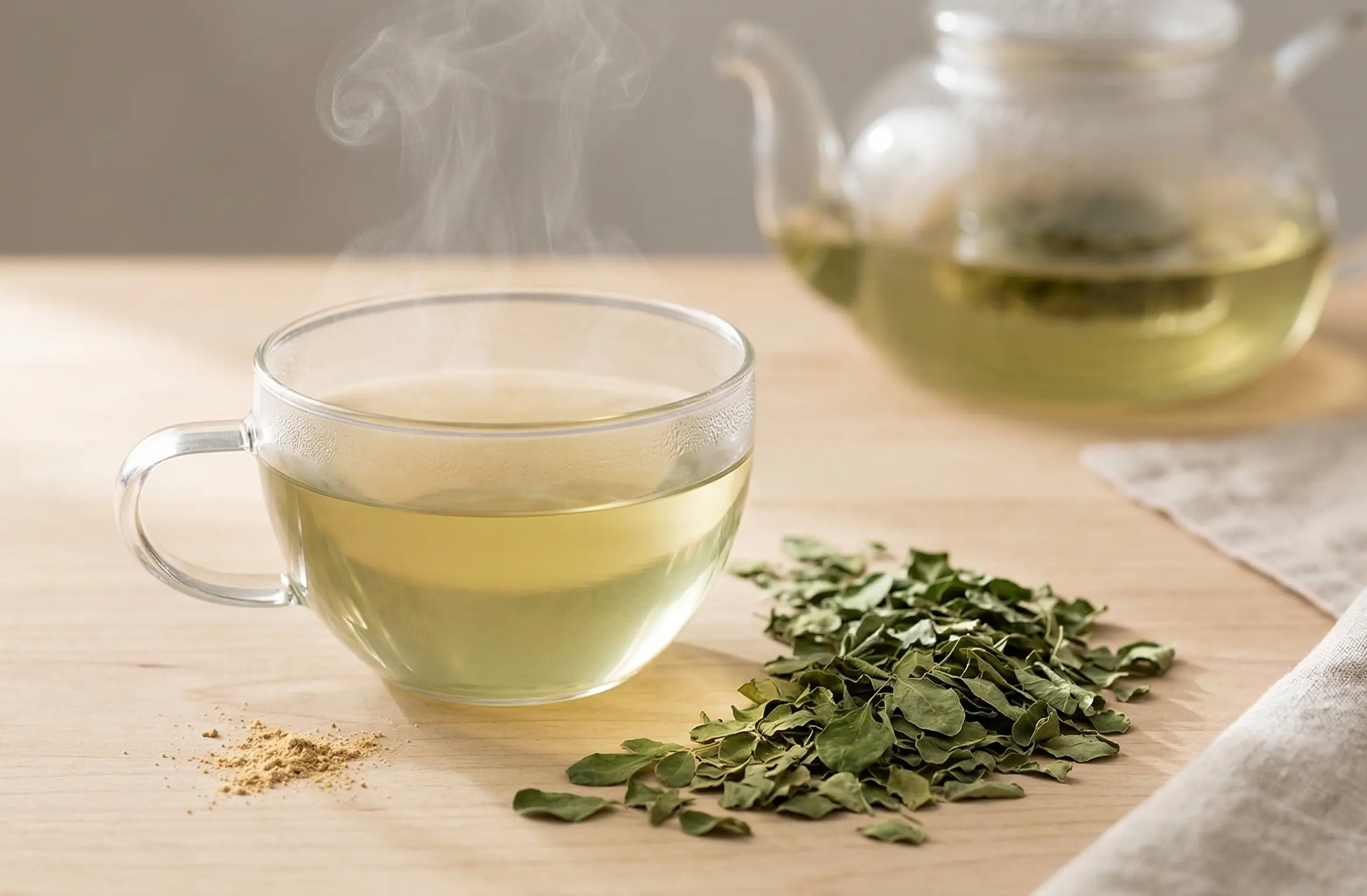
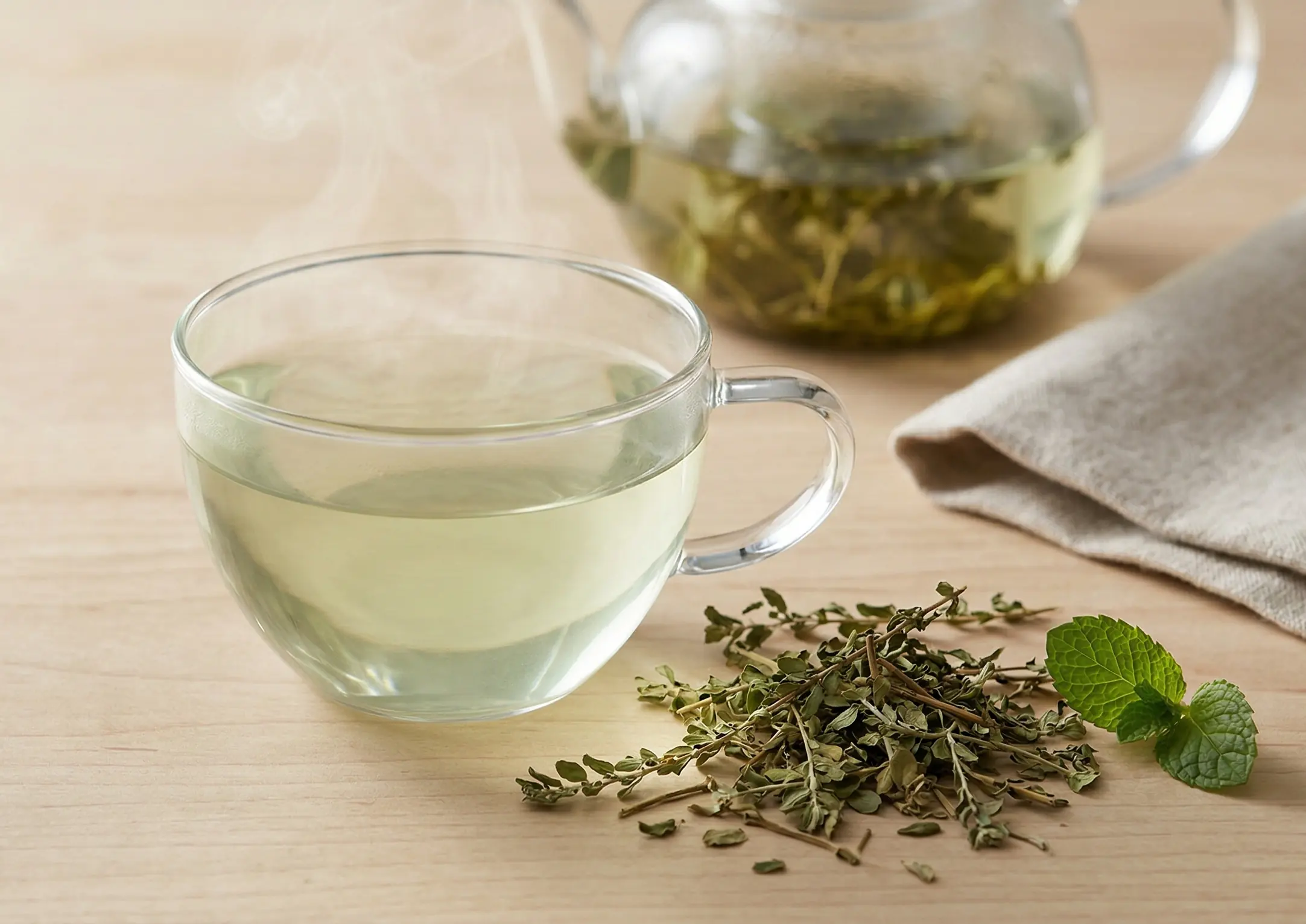
The flavor is herbal, green, slightly bitter, and dry, with a light body and clean finish. The infusion tends to be clear and not very sweet, with a more direct vegetal personality. Mint, when used in just one leaf, adds freshness and softens the bitter perception, but it can dominate if used excessively. The persistence is moderate and discreet.
When to prepare
It is more suitable for late morning or afternoon, in occasional consumption, when one desires a herbal, light, and sugar-free drink. It can also be served cooler on hot days, as long as prepared gently. It should not be used at night if it increases bathroom visits, nor as a strategy for body-result, reducing swelling, or professional care urinary or kidney symptoms. In case of pain, burning, fever, blood in urine, severe cramps, or persistent symptoms, seek professional evaluation.
Use notes
Stonebreaker is a well-known herb in popular use, but its presence in recipes should be professional care with caution, especially when associated with body-result. This infusion may contribute to hydration and a subjective feeling of lightness in some individuals, mainly because it is a clear, herbal, and sugar-free drink. However, it should not be presented as a suggested way to reduce swelling, lose weight, safely does not address fluids, professional care kidneys, stones, urinary infections, or any clinical condition. Due to its potential diuretic effect and interaction with medications or health conditions, use should be adult, moderate, and well-guided. The drink does not replace medical evaluation, tests, professional care, medications, nutritional monitoring, adequate hydration, or professional care in the presence of persistent symptoms.
Ingredients
- 1 teaspoon of stonebreaker (dried herb)
- 300 ml of hot water
- 1 mint leaf (optional)
Preparation
- 1. Heat the water until just before boiling.
- 2. Turn off the heat.
- 3. Add the stonebreaker and cover for 8 to 10 minutes.
- 4. Strain and serve warm.
Preparation tips
Use dried stonebreaker from a reliable supplier and keep the amount to 1 teaspoon for 300 ml of water. Heat the water until just before boiling, turn off the heat, and add the herb with the container covered. The time of 8 to 10 minutes is sufficient to extract flavor without making the drink excessively bitter. Strain well before serving. To test tolerance, start with half a teaspoon. Do not boil for long periods and do not increase the dose seeking a diuretic effect. If using mint, add only one leaf and observe for reflux or discomfort.
Variations
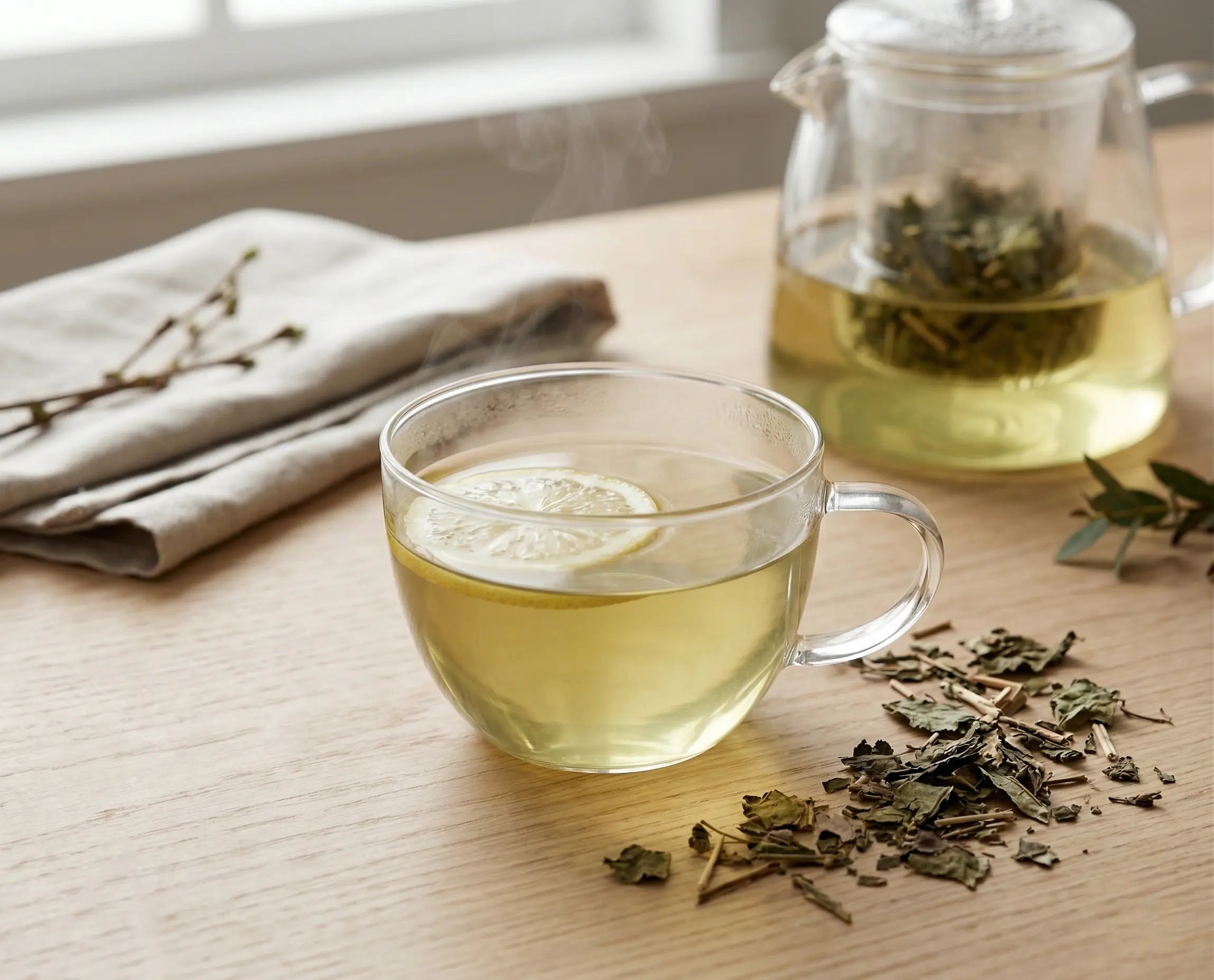
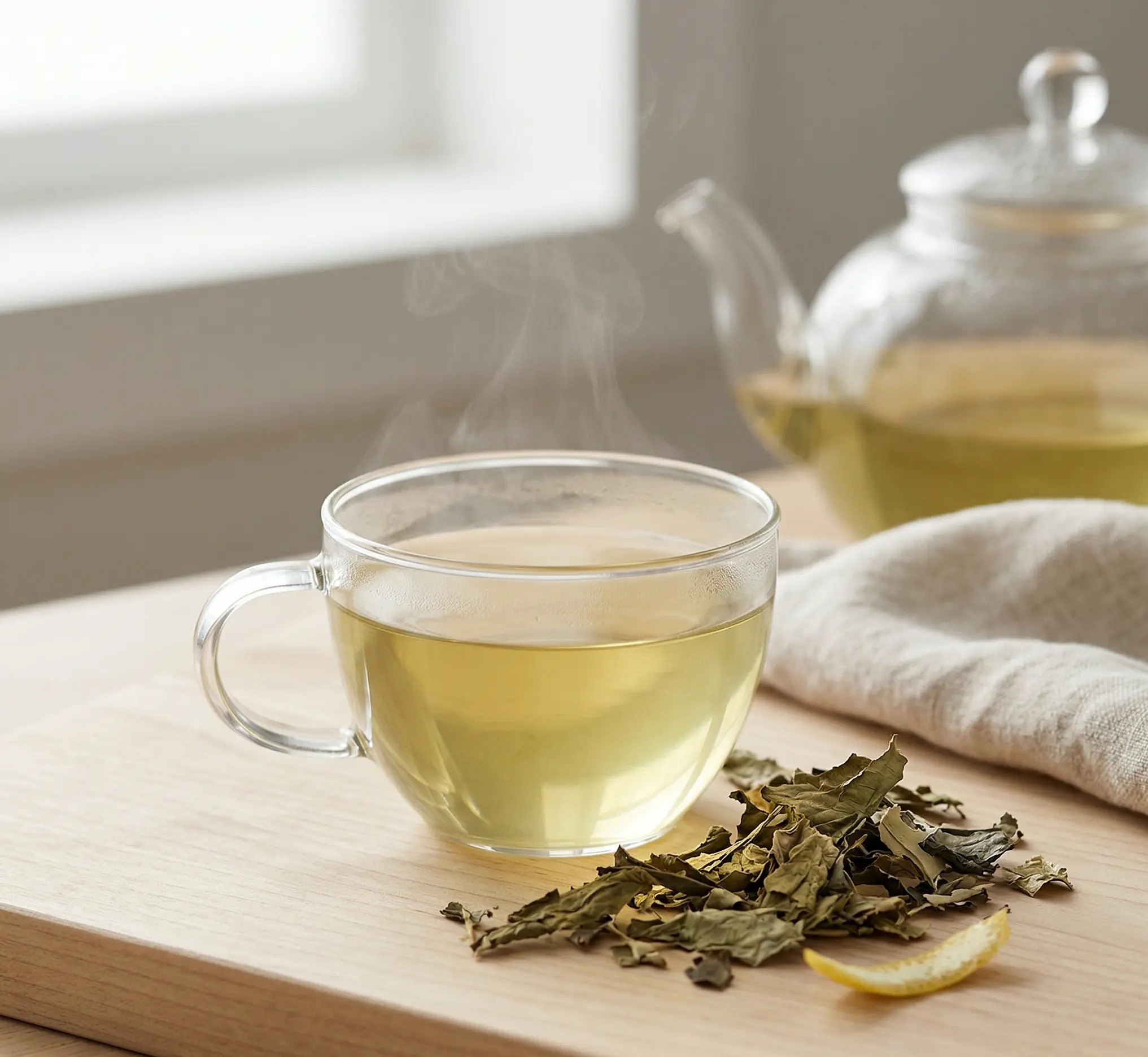
For a milder version, use half a teaspoon of stonebreaker and infuse for 7 minutes. For a fresher profile, keep the optional mint leaf, but remove it when straining so it does not dominate the cup. For a citrus version, use a small strip of well-washed lemon peel during the infusion, avoiding juice if there is gastritis or reflux. On hot days, prepare weaker, strain, let cool, and serve with ice. Avoid combining with leather hat, porangaba, hibiscus, or other plants with possible diuretic effects without professional guidance.
Enjoy your tea
Care and observations
Adult use only. May have a diuretic effect in some people. Individuals with kidney issues, a history of stones, liver disease, low blood pressure, dehydration, chronic illnesses, those using diuretics, anticoagulants, lithium, antihypertensives, or continuous medications should consult a healthcare professional before use. Pregnant and breastfeeding women should avoid without professional guidance. Avoid prolonged continuous use without monitoring, excessive consumption, and combinations with other diuretic plants. Mint may worsen reflux in sensitive individuals. Discontinue use in case of dizziness, malaise, gastrointestinal discomfort, allergy, or unusual reaction.