Tea Leather Hat
Fine Bitter, Light Body
About this recipe
Leather Hat Tea has a rustic tea aesthetic: herbal, simple, slightly bitter, and with the aroma of dry grass. It is a drink that carries popular tradition but needs to be presented clearly and responsibly, especially as it is in a category associated with body-result. The cup should not be sold as a solution for losing weight, reducing swelling, eliminating fluids, or compensating for dietary excesses. Its most honest place is as an adult infusion, for moderate use, with a plant flavor and careful preparation. Leather hat may have a diuretic effect in some people, and this point requires caution. Diuresis is not synonymous with body-result, and fluid loss should not be professional care as a desirable bodily result without context. Individuals with kidney issues, low blood pressure, use of diuretics, lithium, antihypertensives, or other ongoing medications need professional guidance before consuming regularly. Pregnant and breastfeeding women should avoid without guidance. The recipe should always emphasize that excessive or prolonged use is not recommended. In preparation, the herb undergoes a short boiling, unlike more delicate leaves. Cooking for 3 to 5 minutes is sufficient to extract flavor without overly concentrating the bitterness. Then, the optional lemon peel is added during the final covering, bringing freshness and a citrus note that helps make the tea lighter. It is important to use only the colored part of the peel, well washed, avoiding the white part, which can make it even more bitter. The result is a light-bodied drink, dry finish, and botanical personality. Sensorially, this tea pairs well with daytime breaks, especially in the afternoon when one desires a sugar-free, hot drink with a more adult flavor. It can also be served in a milder, cold version on hot days. The editorial strength of Leather Hat Tea lies in recognizing its tradition without turning that into a promise. It can be part of a conscious hydration routine, but does not replace balanced nutrition, professional monitoring, sleep, movement, or medical care. With moderation, good sourcing, and safe language, it becomes an interesting recipe for serious wellness curation.
Summary
Leather hat tea with a herbal profile, delicate bitterness, and optional lemon peel, intended for moderate adult consumption.
Flavor profile
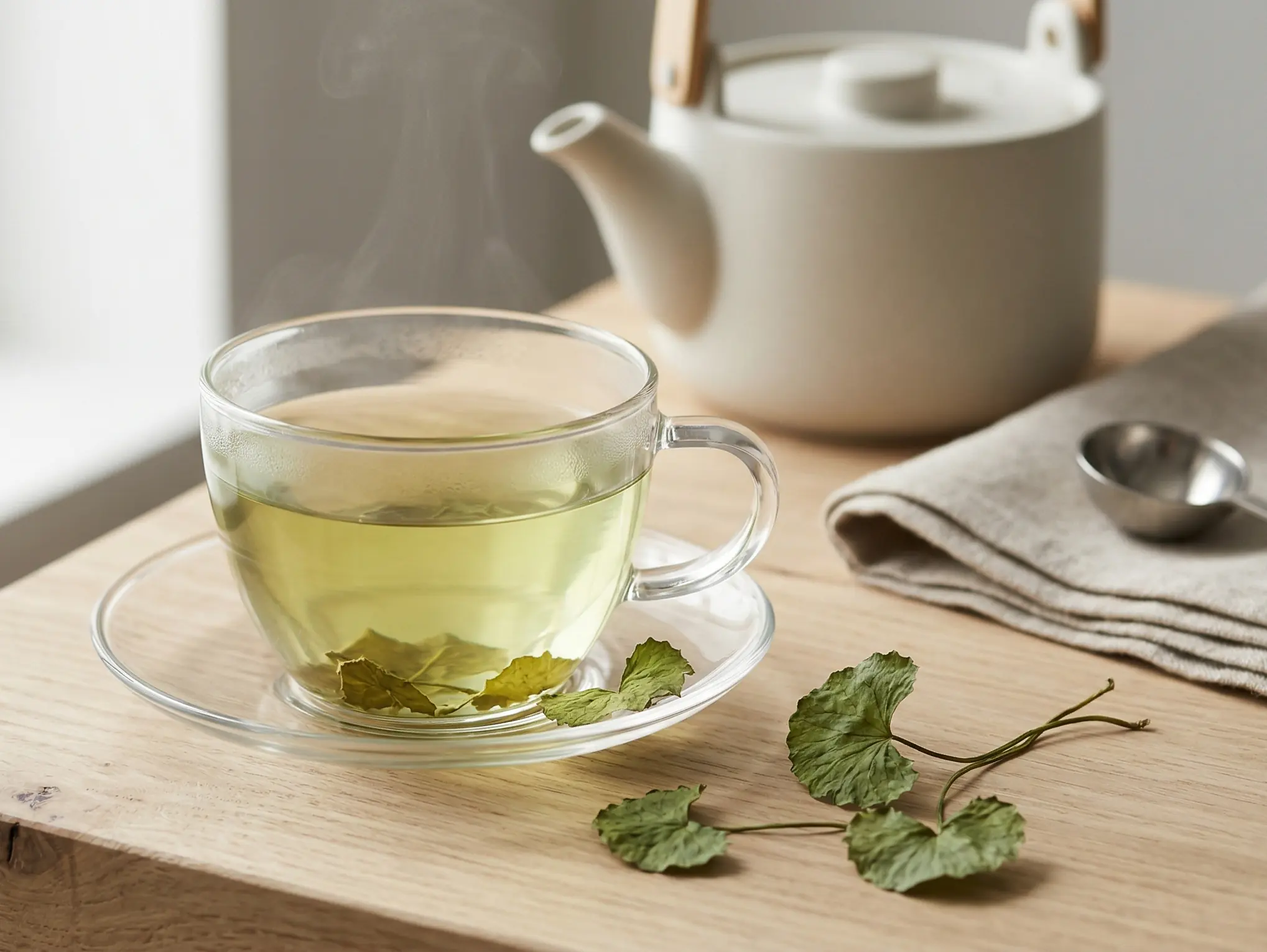
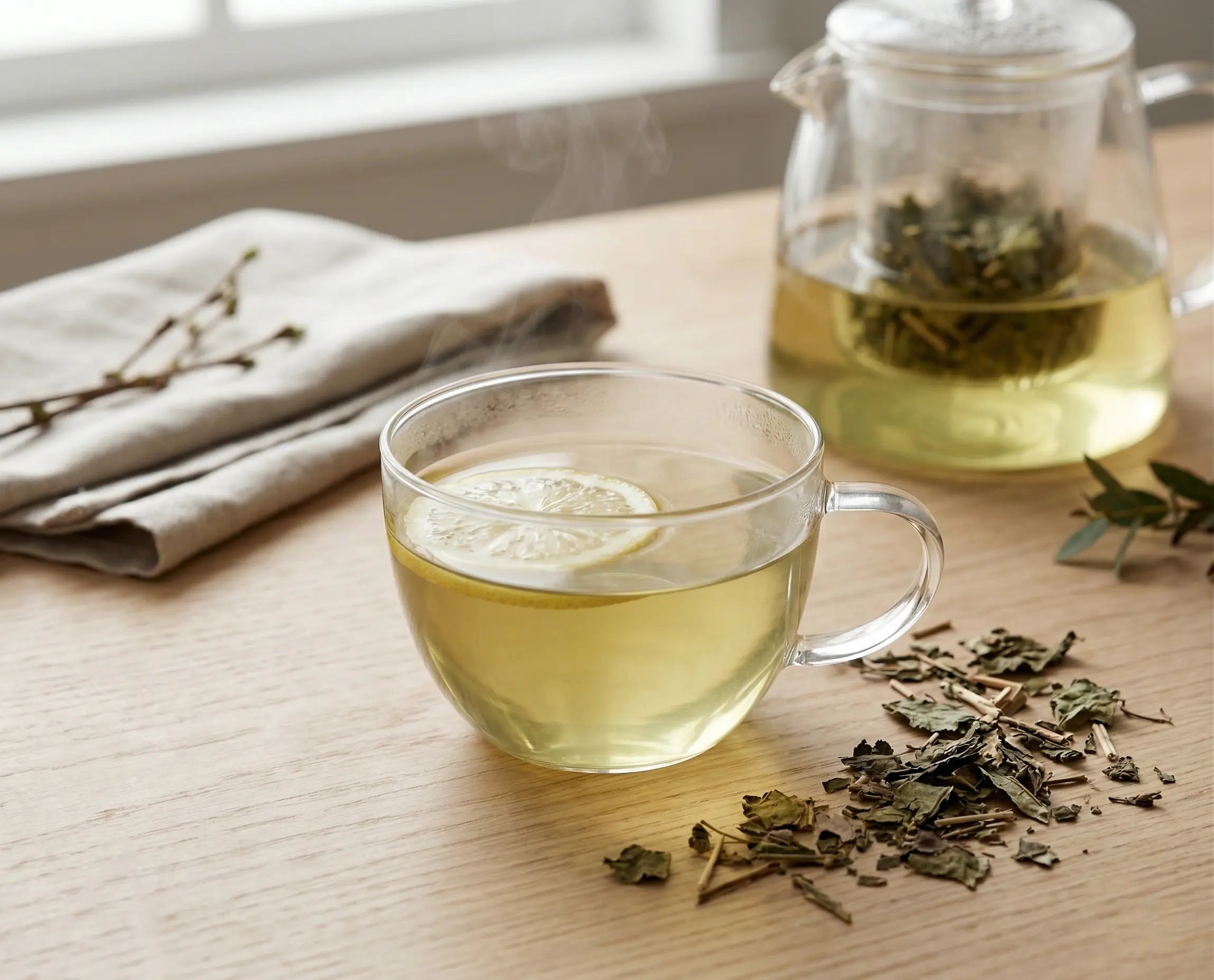
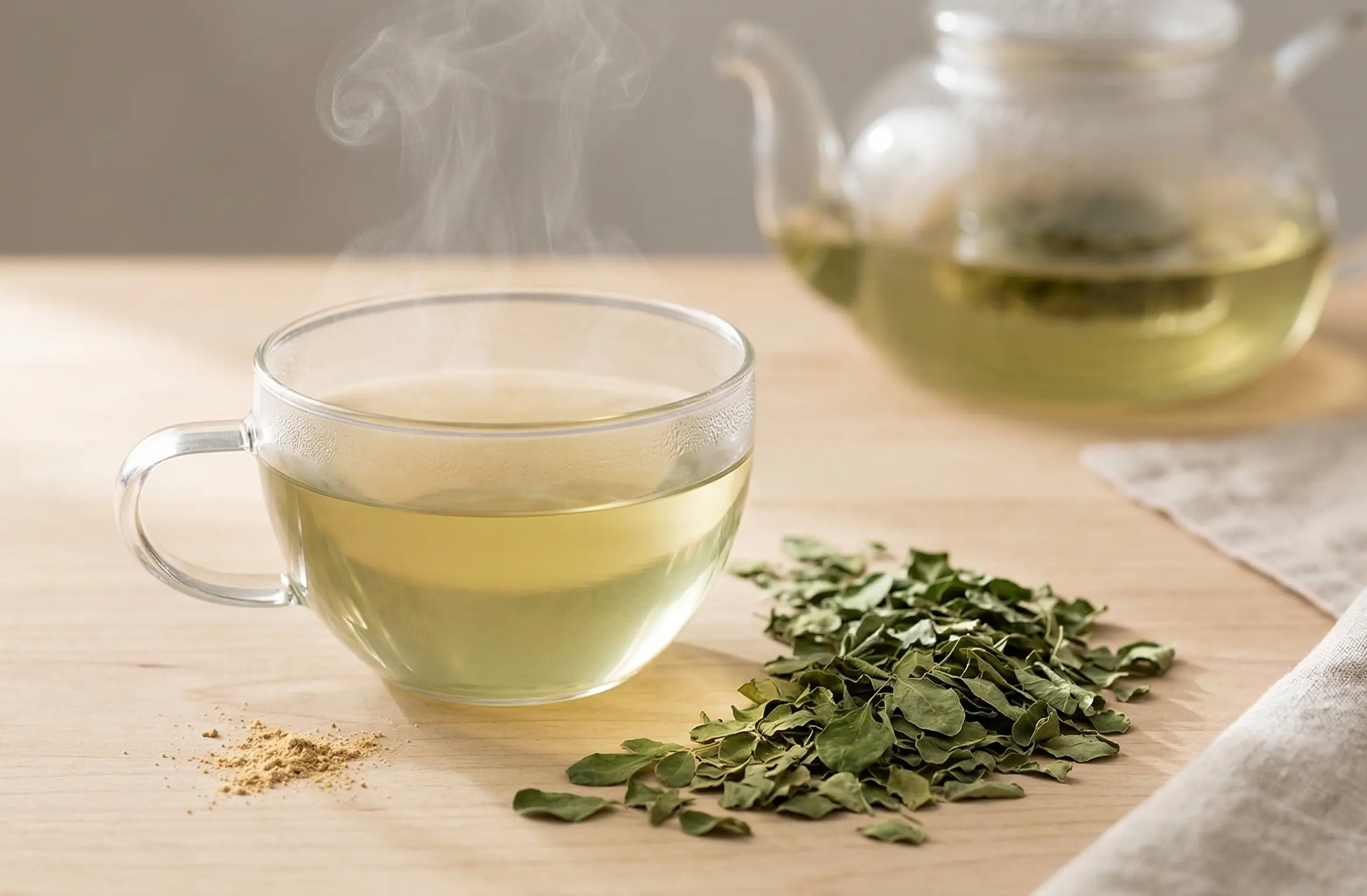
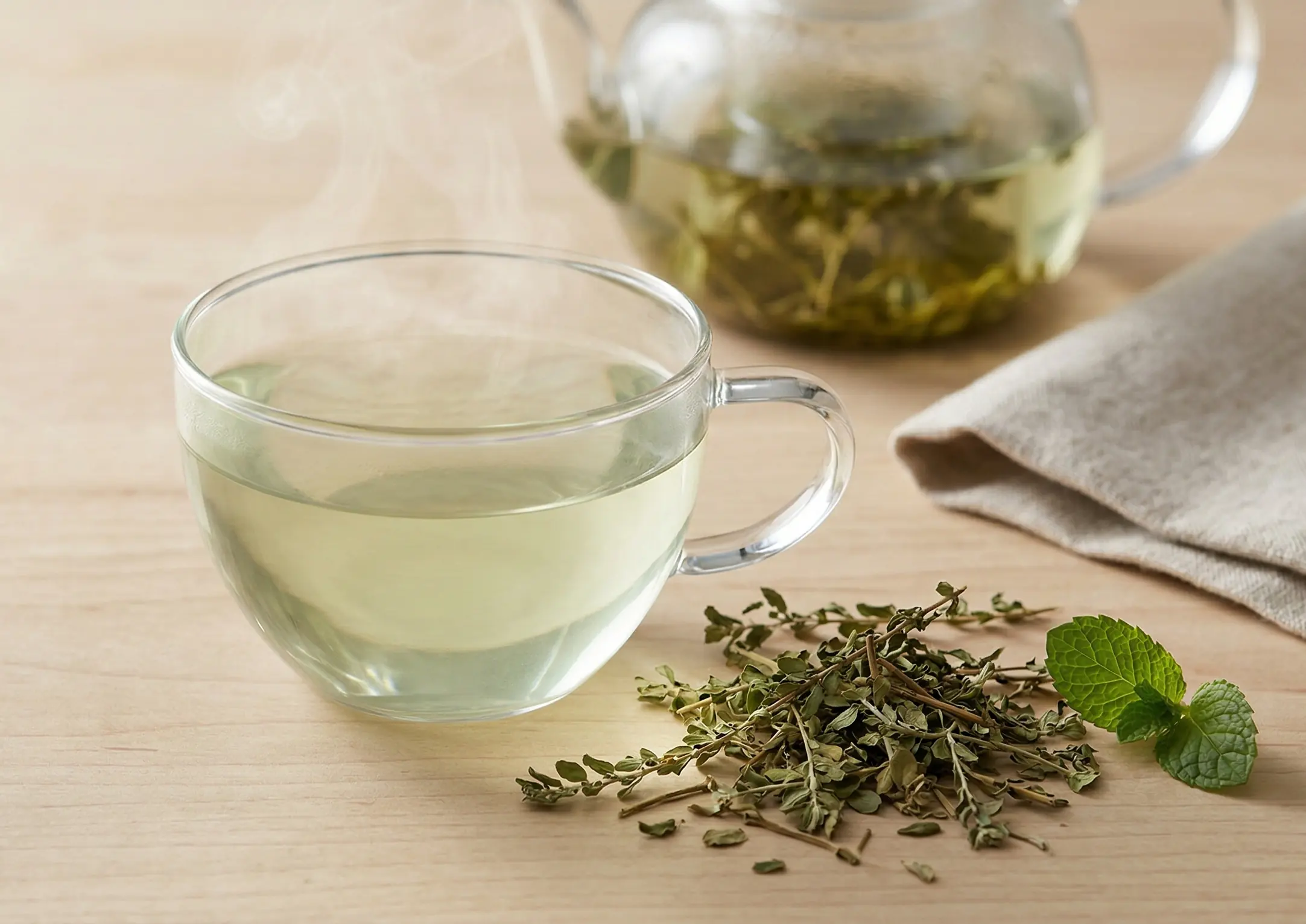
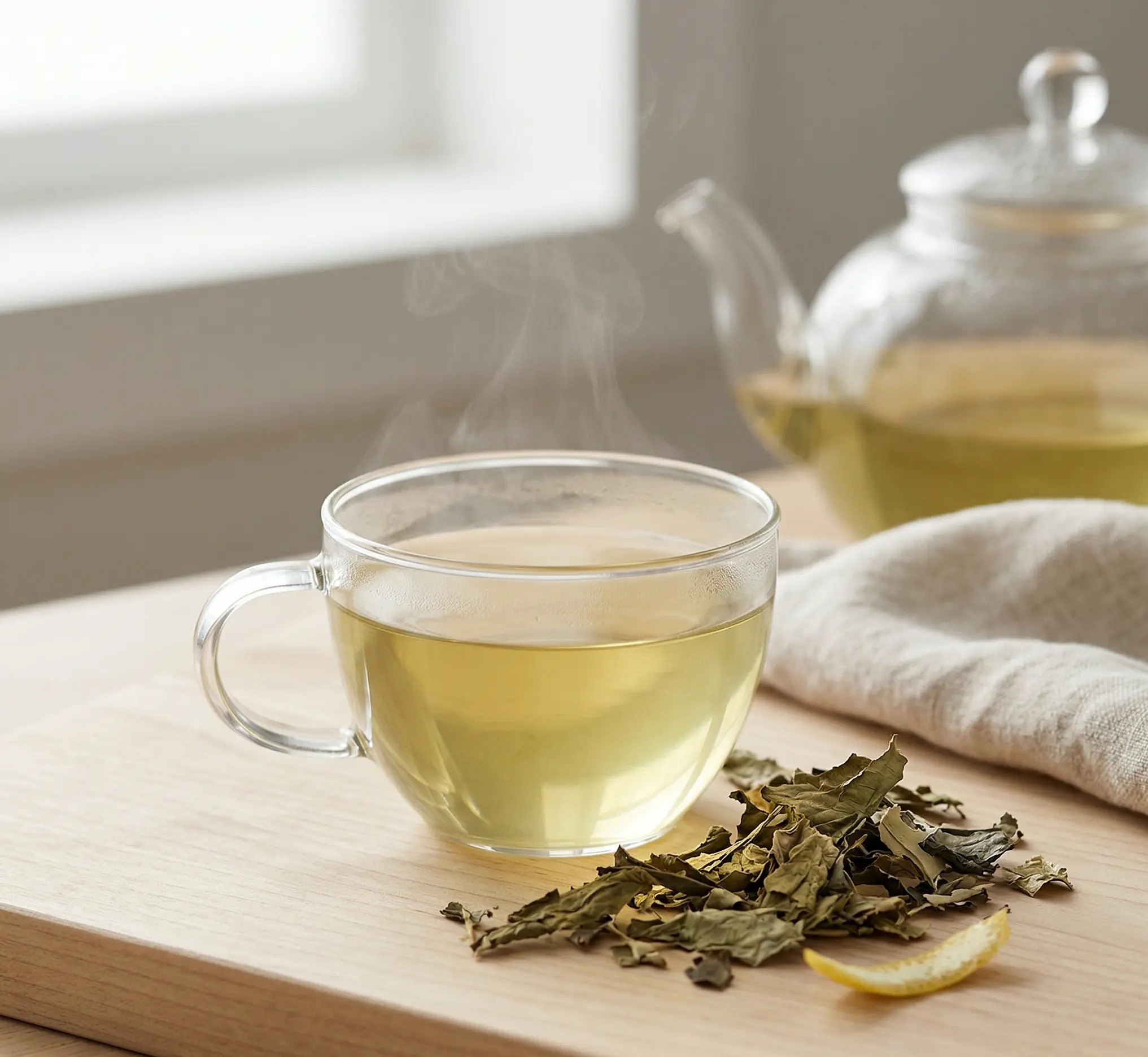
The flavor is herbal, dry, and slightly bitter, with a light body and a vegetal finish. The aroma resembles grass, dry leaves, and homemade rustic preparations. The lemon peel, when used carefully, brings freshness and softens the bitter perception, making the drink more luminous. If the cooking is long or the herb is too concentrated, the bitterness may dominate.
When to prepare
It is more suitable for late morning or mid-afternoon, in moderate and occasional consumption. It can accompany a work break, reading, or rest, especially when one wants a herbal drink without sugar. It should not be used at night if it increases bathroom visits, nor as a strategy for body-result or reducing swelling. Individuals with low blood pressure, kidney issues, or those on medication should avoid regular consumption without professional guidance.
Use notes
Leather hat is a traditionally used plant in homemade preparations, with a herbal and slightly bitter flavor, but should be presented with caution when associated with body-result. This drink may contribute to hydration and a subjective feeling of lightness in some people, especially as it is a sugar-free infusion with a plant profile. However, it does not guarantee body-result, reduction of swelling, safe fluid elimination, reduction in measurements, or any bodily results. Due to its potential diuretic effect and possible interactions with medications or health conditions, consumption should be adult, moderate, and preferably guided in case of regular use. It does not replace medical evaluation, nutritional monitoring, diagnosis, professional care, medications, adequate hydration, or balanced habits.
Ingredients
- 1 teaspoon of leather hat (dried herb)
- 350 ml of water
- 1 small piece of lemon peel (only the colored part, optional)
Preparation
- 1. Place the water and leather hat herb on the stove.
- 2. Once boiling, cook on low heat for 3 to 5 minutes.
- 3. Turn off, add the lemon peel if using, and cover for 5 minutes.
- 4. Strain and serve.
Preparation tips
Use dried leather hat from a reliable supplier and respect the amount of 1 teaspoon for 350 ml of water. Cook on low heat for only 3 to 5 minutes after boiling. Avoid long boiling, as this can make the drink too bitter and concentrated. Add the lemon peel only after turning off the heat, during the covering, and use only the well-washed colored part. Strain well before serving. To test tolerance, start with half a teaspoon. Do not combine with other diuretic plants without guidance.
Variations
For a milder version, use half a teaspoon of the herb and keep the 350 ml of water, cooking for only 3 minutes. For a fresher profile, keep the lemon peel or replace it with a small strip of well-washed orange peel. To serve cold, prepare weaker, strain, let cool, and refrigerate. A thin slice of apple can be added during the covering to round out the bitterness without overly sweetening. Avoid mixing with porangaba, quebra-pedra, hibiscus, or other plants with possible diuretic effects without professional guidance.
Enjoy your tea
Care and observations
Adult use only. May have a diuretic effect in some people. Individuals with kidney issues, liver disease, low blood pressure, dehydration, chronic illnesses, or those taking diuretics, lithium, antihypertensives, or other ongoing medications should consult a healthcare professional before regular consumption. Pregnant and breastfeeding women should avoid without professional guidance. Avoid excess, prolonged use, very concentrated preparation, and combining with other diuretic plants without supervision. The lemon peel should be well washed and used in small amounts. Discontinue use in case of dizziness, weakness, discomfort, allergy, or any unusual reaction.