Tea Porangaba Trail
Herbal, Light & Anti-bloat
About this recipe
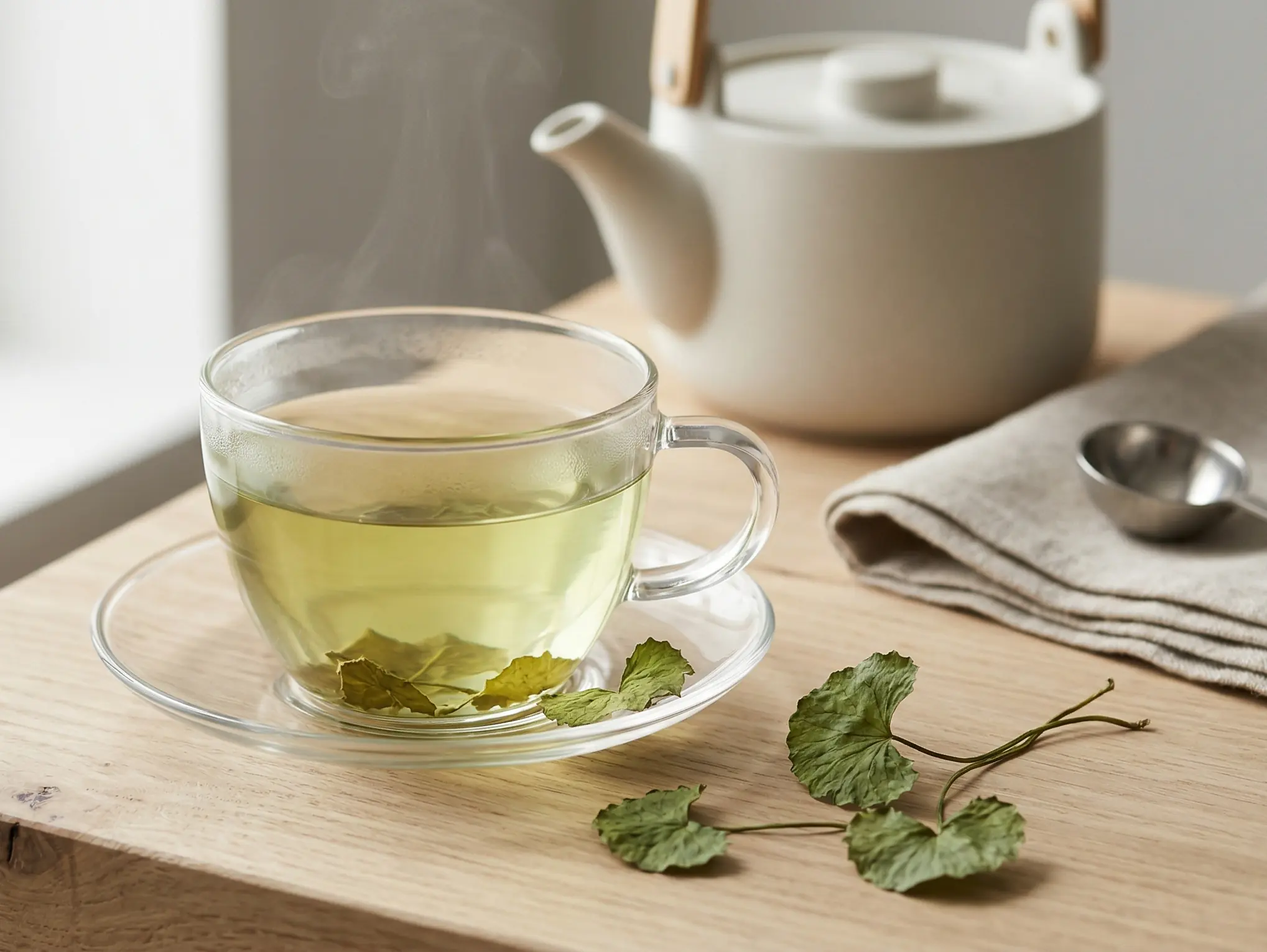
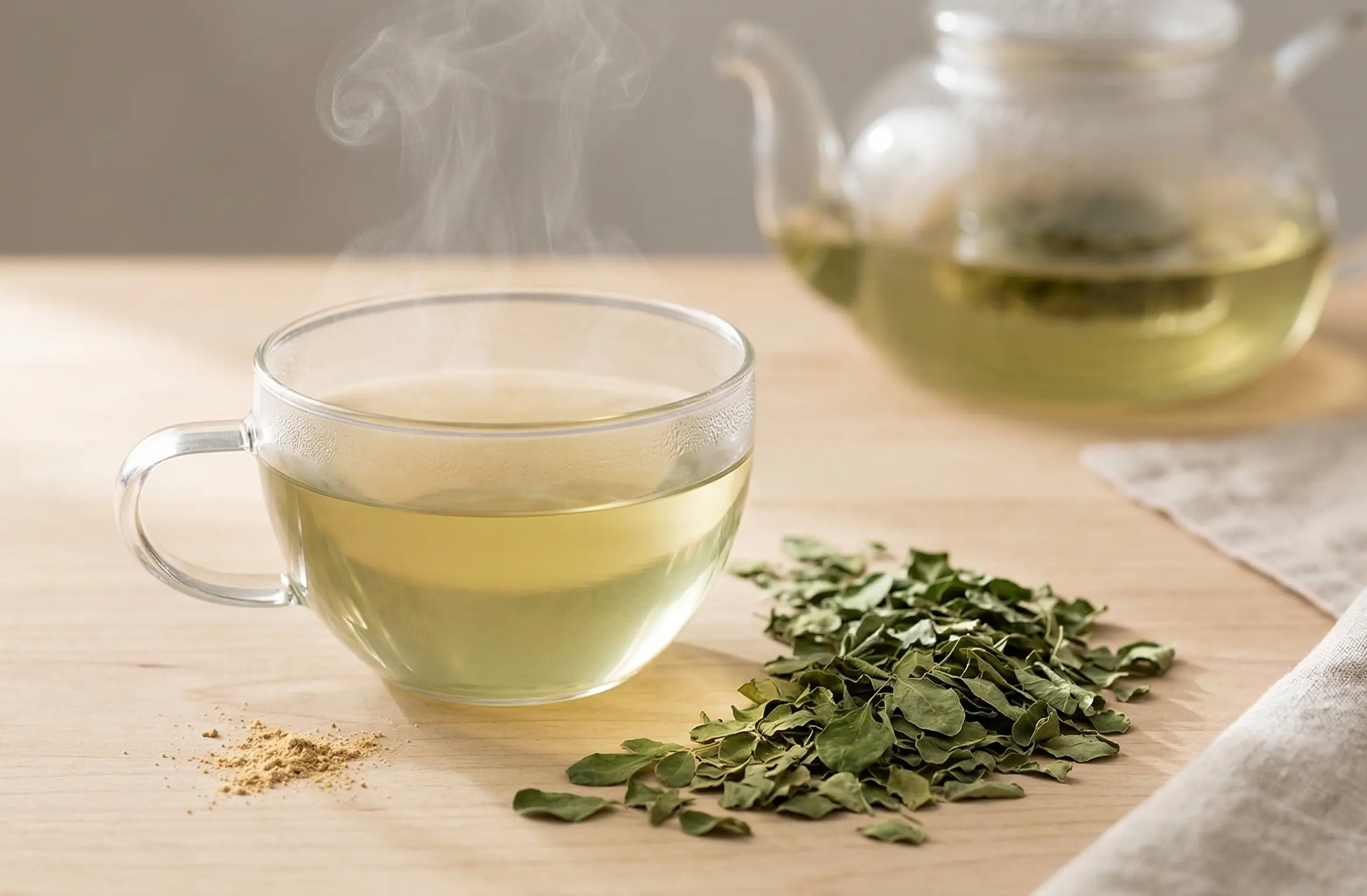
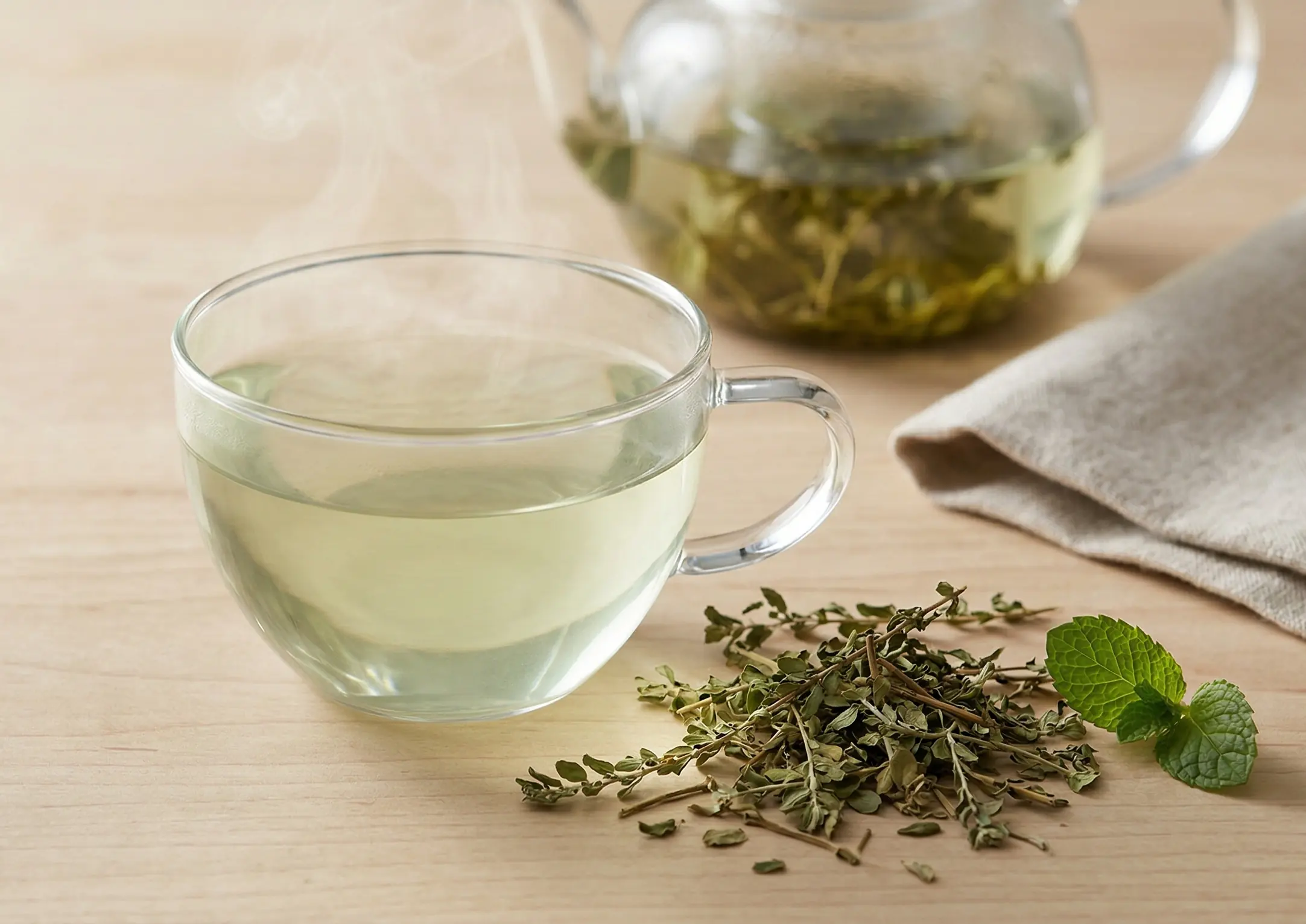
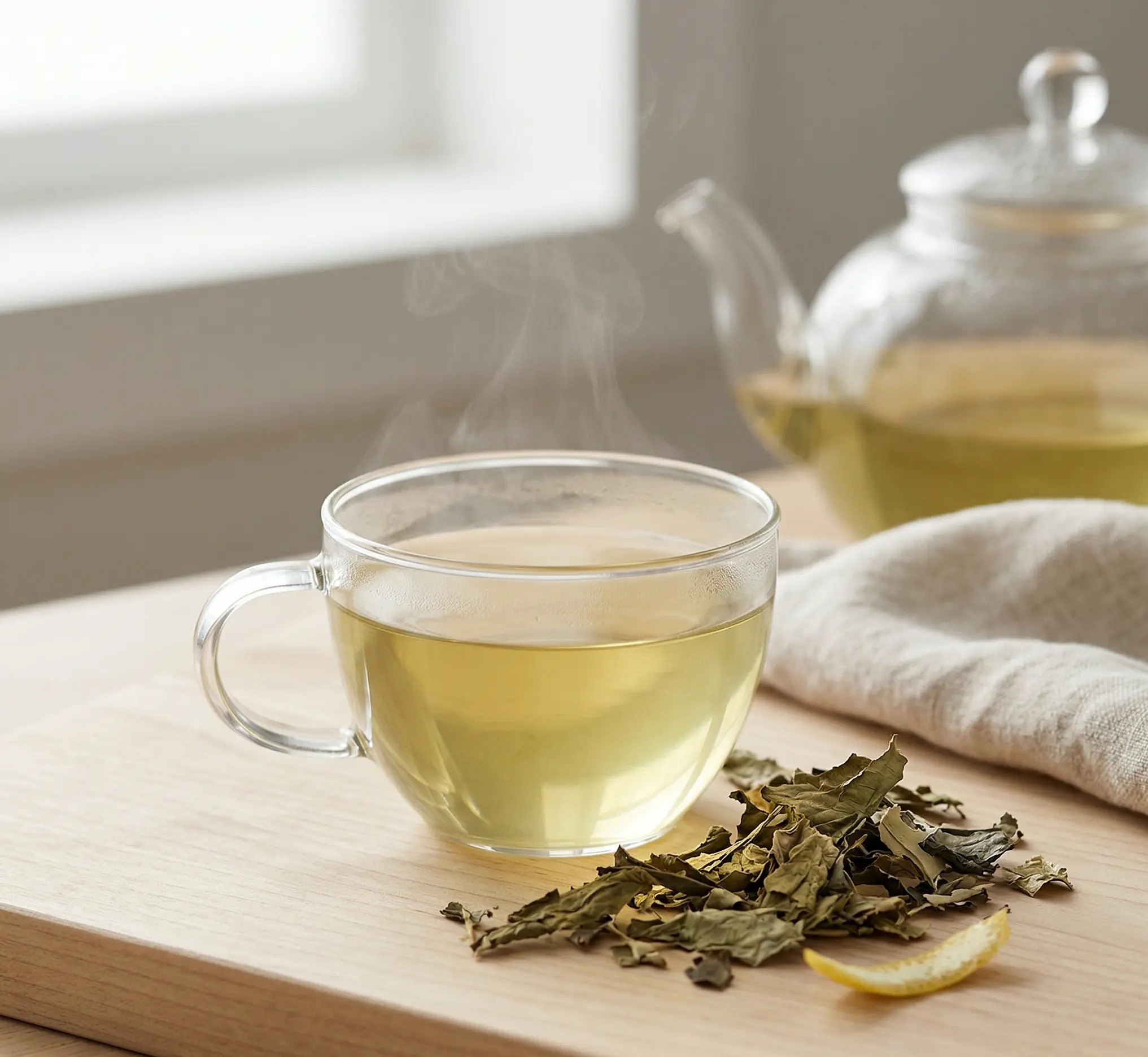
The Porangaba Trail Tea is a herbal infusion with a strong flavor, designed for those who appreciate more serious and less sweet plant-based beverages. Porangaba frequently appears in discussions about lightness and bodily routine, but precisely for this reason, it requires a careful editorial approach. This recipe should not promise body-result, reduction of bloating, loss of measurements, fat elimination, or any aesthetic transformation. The cup needs to be presented for what it can safely offer: a hot, herbal drink aimed at adults, for moderate consumption and attentive to individual tolerance. The body-result category demands even more responsibility. Many people seek teas expecting shortcuts, but reliable content does not reinforce this expectation. Porangaba may have a diuretic effect in some people and may also be perceived as stimulating by sensitive individuals. This means it is not a drink for any time, nor for everyone. Those with hypertension, arrhythmias, emotional tension, sleep difficulty, kidney problems, using diuretics, lithium, pressure medications, or other ongoing medications should exercise caution and seek professional guidance. Pregnant and breastfeeding women should avoid without guidance. Sensorially, the infusion has a green, dry, and slightly bitter character. The optional lemon enhances the aroma and makes the drink fresher, but it should be used in small amounts, especially by those with reflux or gastritis. The preparation is simple: hot water off the heat, dried leaves, covering, and careful straining. There is no need to increase the dose or repeat several cups throughout the day. In plants for specific use, more concentration does not mean more benefit; it may mean more risk of discomfort. The best time for Porangaba Trail Tea is in the late morning or mid-afternoon, never late at night, especially for those who perceive stimulating effects. It can be part of a routine of breaks, hydration, and more conscious choices, as long as it is not professional care as the main tool for the body. In a premium curation, honesty is the differential: a recipe can be herbal, interesting, and aligned with well-being without selling promises. Porangaba deserves this more mature framing, with clear text, proportional alerts, and a focus on the cup experience.
Summary
Infusion of porangaba with a strong herbal flavor and optional lemon, designed for moderate adult consumption, without promises of body-result.
Flavor profile
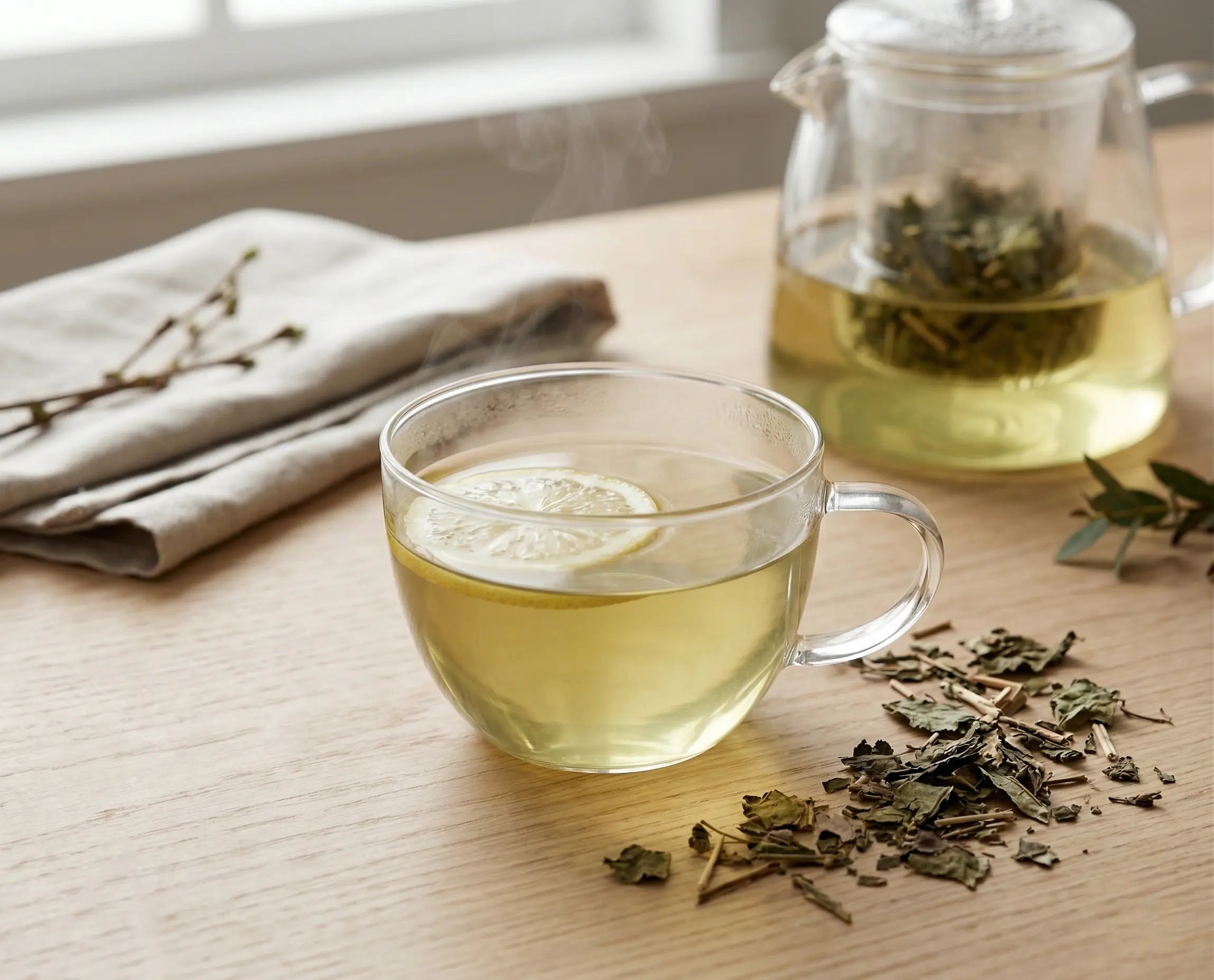
The flavor is herbal, green, dry, and slightly bitter, with a light to medium body and a persistent finish. Porangaba has a more adult vegetal presence, without evident natural sweetness. Lemon, when used in a thin slice or a few drops, brings freshness and reduces the bitterness sensation, but it can highlight acidity if used excessively.
When to prepare
It is more suitable for late morning or mid-afternoon, when one desires a hot, herbal, and sugar-free drink for a conscious break. Avoid at night, especially if there is sensitivity to stimuli, sleep difficulty, emotional tension, or palpitations. It should not be used as a body-result strategy, suggested de-bloating, or compensation for dietary excesses. The best use is moderate, occasional, and associated with a balanced routine, respecting body signals and contraindications.
Use notes
Porangaba is a plant traditionally associated with adult use preparations, but it must be presented with great responsibility, especially as it appears in body-result contexts. This infusion may contribute to hydration and a subjective feeling of lightness in some people, mainly because it is a hot, herbal, and sugar-free drink. However, it does not guarantee body-result, reduction in measurements, fat elimination, meal pause, improvement of bloating, or aesthetic results. Any bodily change depends on many factors and should be accompanied by consistent habits and, when necessary, qualified professionals. Due to its possible diuretic or stimulating effect, consumption should be moderate and attentive to contraindications. It does not replace nutritional guidance, medical evaluation, professional care, medications, adequate sleep, balanced diet, or physical activity.
Ingredients
- 1 teaspoon of porangaba (dried leaves)
- 300 ml of hot water
- 1 thin slice of lemon (optional)
Preparation
- 1. Heat the water until just before boiling.
- 2. Turn off the heat.
- 3. Add the porangaba and cover for 8 to 10 minutes.
- 4. Strain and, if desired, add lemon when warm.
Preparation tips
Use dried porangaba from a reliable supplier and keep the amount to 1 teaspoon for 300 ml of water. Heat the water until just before boiling, turn off the heat, and only then add the plant. Cover for 8 to 10 minutes and strain well. Do not boil for long periods and do not increase the dose trying to intensify effects. To test tolerance, start with half a teaspoon. If using lemon, add only when the tea is warm and in small amounts. Avoid consuming alongside other diuretic or stimulating plants without professional guidance, especially if medications are being used.
Variations
For a milder version, use half a teaspoon of porangaba and keep the 300 ml of water, with an infusion of 7 minutes. For a fresher profile, add just a small strip of well-washed lemon peel during the covering, instead of acidic juice, reducing acidity. For a cold drink, prepare weaker, strain, let cool, and serve with ice, without excessive sweetening. It is also possible to combine with a thin slice of apple to soften the bitterness. Avoid mixing with green tea, guarana, mate, or other stimulating sources, as this may increase discomfort such as agitation or palpitations.
Enjoy your tea
Care and observations
Adult use only. Porangaba may have a diuretic effect and, in some people, a stimulating effect, such as palpitations, emotional tension, agitation, or sleep difficulty. Avoid if you have hypertension, arrhythmias, significant emotional tension, sleep difficulty, sensitivity to stimulants, kidney disease, or dehydration. Do not use at night. People taking diuretics, lithium, antihypertensives, heart medications, or other ongoing medications should consult a professional before use. Pregnant and breastfeeding women should avoid without guidance. Avoid excessive consumption, prolonged use, and any expectation of suggested body-result.