Tea Romance Tonka
Brazilian Vanilla Aroma
About this recipe
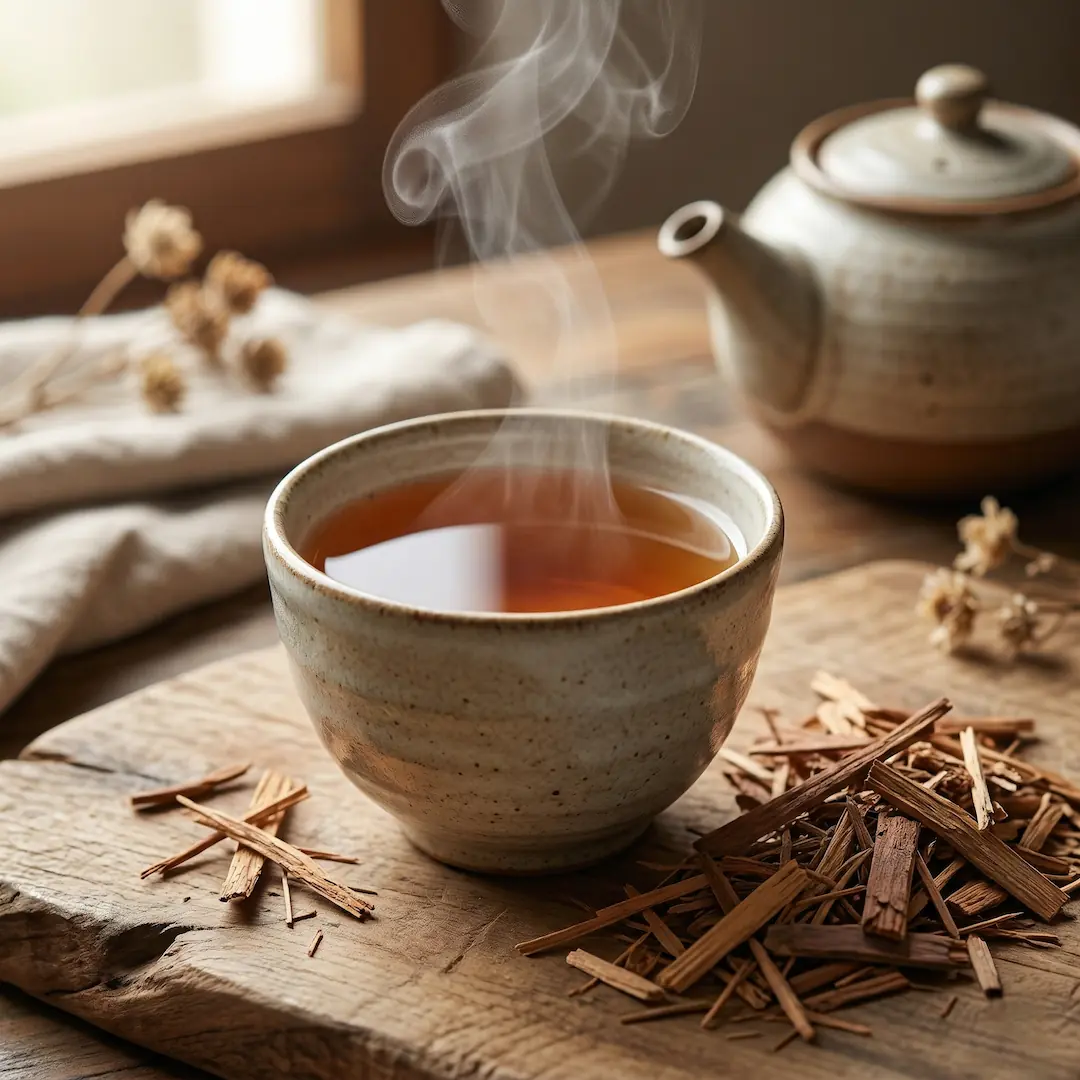
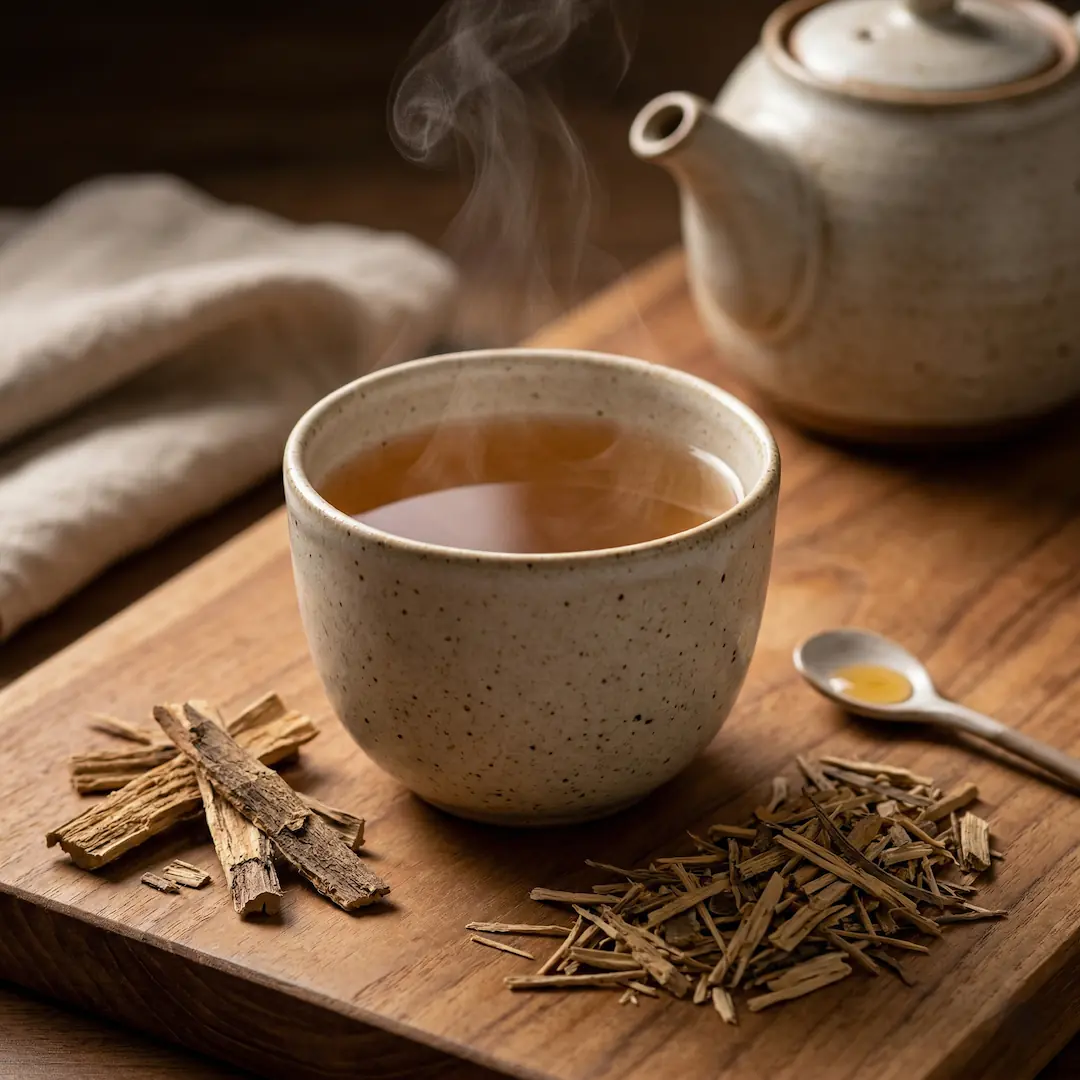
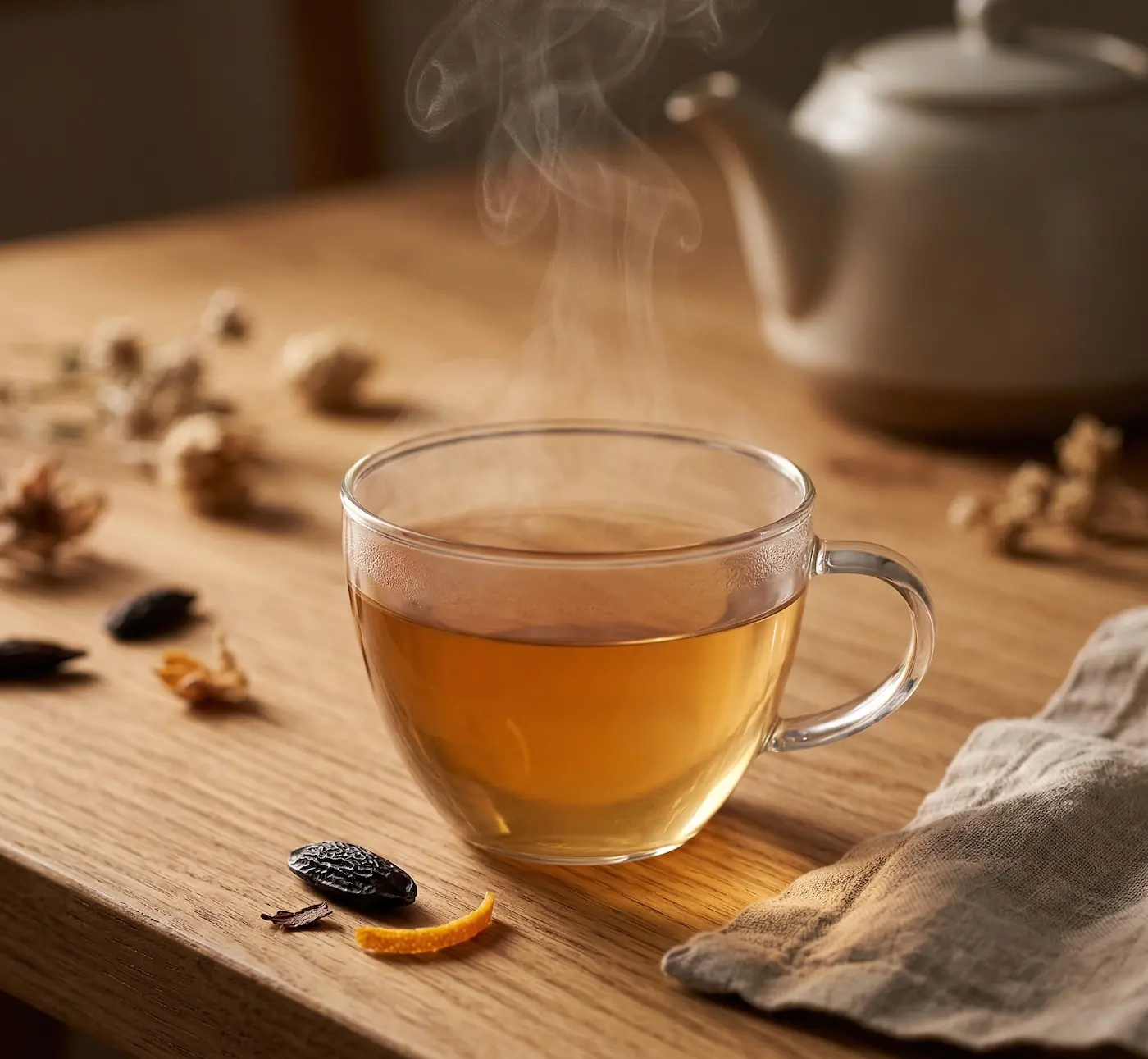
Romance Tonka Tea is a recipe with a rare aroma, made to be professional care with elegance and great moderation. Tonka bean has a fragrance reminiscent of vanilla, almond, sweet pod, light wood, and warm spices. Therefore, a minimal amount already transforms hot water into a deeply aromatic drink. The proposal is not to create a daily drink but an occasional, adult, and very careful ritual, designed for a calm, intentional, and present encounter. The strength of this recipe lies in the fragrance, not in the dose. Tonka contains coumarin, a substance that requires caution in food use. Therefore, the measure must be tiny: a piece about the size of a grain of rice or a very small pinch of zest. Using more does not make the tea more romantic or special; it only increases the risk of inadequacy. In a premium curation, sophistication lies precisely in respecting the limit. The tea should be occasional, not continuous, and should not be indicated for people with liver disease, history of liver changes, use of anticoagulants, easy bleeding, pregnant or breastfeeding women without professional guidance. The optional orange peel helps to brighten the aroma, bringing a citrus note that pairs well with the sweet and almond-like side of tonka. It also prevents the drink from becoming heavy or overly fragrant. The water should boil first, but the tonka goes in with the heat off, in a covered infusion, to release fragrance without aggressive extraction. The result is a clear, warm, and engaging cup, closer to a culinary perfume than to a common tea. In the sensory category, this recipe should be understood as atmosphere, not as a promise. Romance Tonka Tea does not increase intimate response, does not professional care intimate difficulties, and does not replace dialogue, emotional care, or professional evaluation. It only helps to create a sensory moment: aroma, silence, warm cup, and intention. When described this way, with clear limits and responsible language, it becomes a sophisticated, safe, and memorable recipe.
Summary
Aromatic infusion of tonka bean in minimal dose, with optional orange touch, designed for an adult, occasional, and very careful ritual.
Flavor profile
The flavor is mild, but the aroma is intense and engaging, with notes of vanilla, almond, sweet wood, tonka pod, and delicate spice. The body is light, and the aromatic persistence is high even with a minimal amount. The orange peel adds citrus freshness and makes the finish brighter. If tonka is used excessively, the fragrance can become cloying and inappropriate.
When to prepare
It is a drink for specific occasions, preferably in the late afternoon or early evening, when the intention is to create an aromatic and calm atmosphere. It pairs well with conversation, soft music, light dessert, or an adult ritual of presence. It should not be used daily, nor as a strategy for intimate response, relaxation, or intimate performance. Due to its coumarin content, use should be rare and minimal. People with liver conditions, those on medication, or with doubts should avoid without professional guidance.
Use notes
Tonka can create a very engaging aromatic experience, with a fragrance naturally associated with vanilla, almond, and sweet spices. In minimal dose and occasional use, the drink can compose an adult ritual of presence, coziness, and intention, mainly due to its striking aroma and sensory comfort. Still, it should not be presented as a suggested sensory, therapeutic relaxant, professional care for stress, low intimate response, or any clinical condition. Due to its coumarin content, the most important point is extreme moderation. The safest benefit lies in the aromatic pleasure and the atmosphere of the moment, not in promised physiological effects. It does not replace medical evaluation, professional care, medications, therapy, dialogue, rest, or professional follow-up.
Ingredients
- 1 TINY piece of tonka bean (approximately the size of a grain of rice) OR 1 pinch of zest
- 300 ml of water
- 1 small piece of orange peel (optional)
Preparation
- 1. Boil the water.
- 2. Turn off the heat.
- 3. Add the tonka and the orange peel, if using, and cover for 6 to 8 minutes.
- 4. Strain and serve warm.
Preparation tips
Use a truly tiny amount of tonka. The reference of the size of a grain of rice is important to keep the recipe safe. Do not grate a large amount and do not repeat multiple cups. Boil the water, turn off the heat, and only then add the tonka and the orange peel, keeping the container covered for 6 to 8 minutes. Strain before serving. Use well-washed orange peel and only the colored part. Do not sweeten before tasting, as the aroma already brings a sense of sweetness. Avoid preparing large volumes or storing for later use.
Variations
For an even more delicate version, use only a minimal pinch of tonka zest and reduce the infusion to 5 minutes. For a more citrus profile, keep the orange peel for only 1 or 2 minutes at the end, avoiding bitterness. For a softer drink, add a thin slice of apple after straining and let it infuse for a short time. It is also possible to prepare without orange, valuing the pure aroma of tonka. Avoid mixing with large amounts of cinnamon, clove, alcoholic beverages, or other strong spices, as the composition can become heavy and the use of coumarin should remain minimal and occasional.
Enjoy your tea
Care and observations
Adult use, occasional, and in minimal quantity. Tonka bean contains coumarin; therefore, use only a tiny piece or a very small pinch of zest and avoid continuous use. Preferably no more than 1 cup per week and do not combine with other concentrated sources of coumarin. Contraindicated for people with liver disease, history of liver changes, easy bleeding, or use of anticoagulants and antiplatelets. Pregnant, breastfeeding women, and those on continuous medication should consult a professional before consumption. Discontinue in case of nausea, abdominal pain, dizziness, malaise, itching, dark urine, or any unusual reaction.