Tea Olive Leaf
Delicate, Light & Elegant
About this recipe
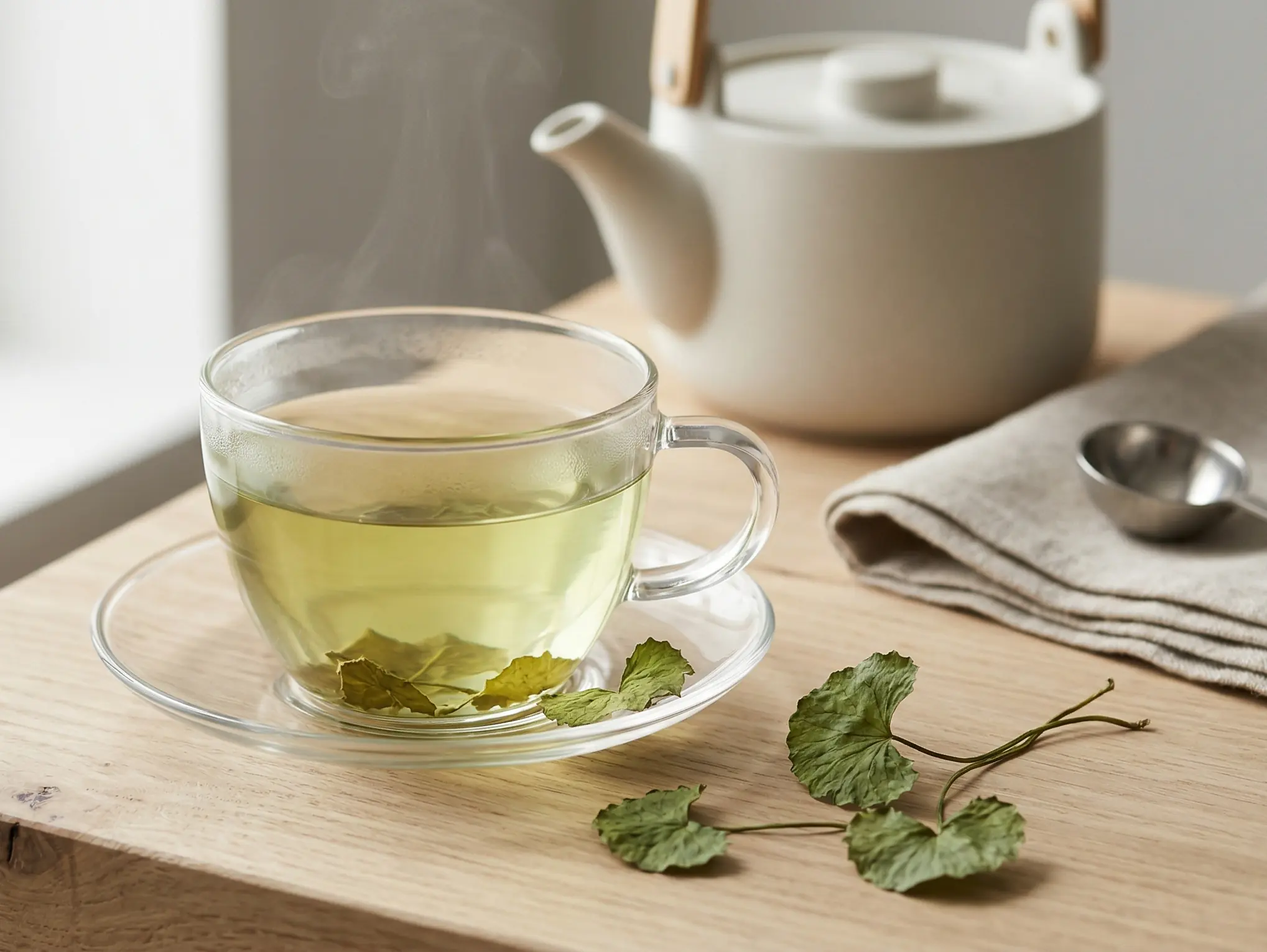
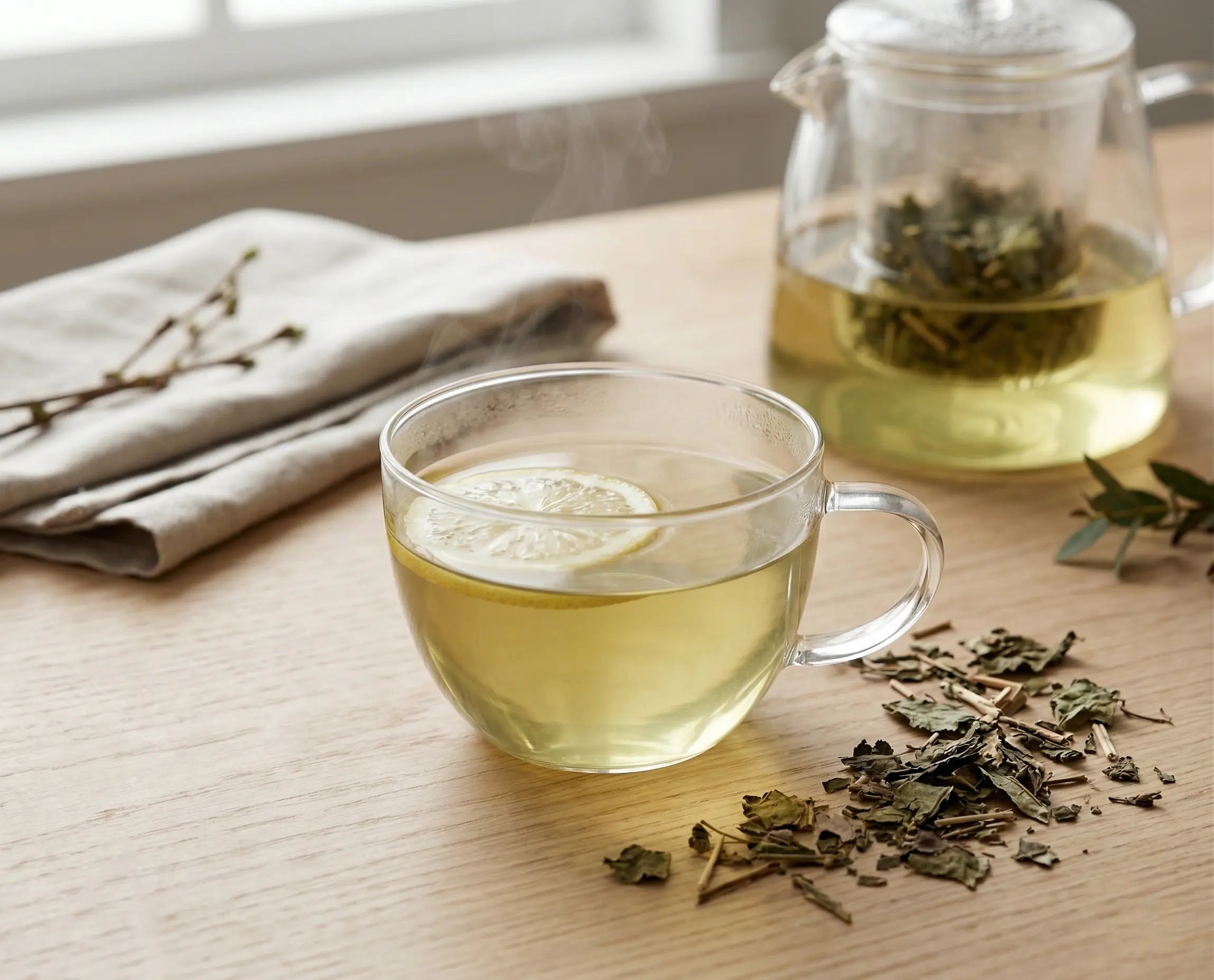
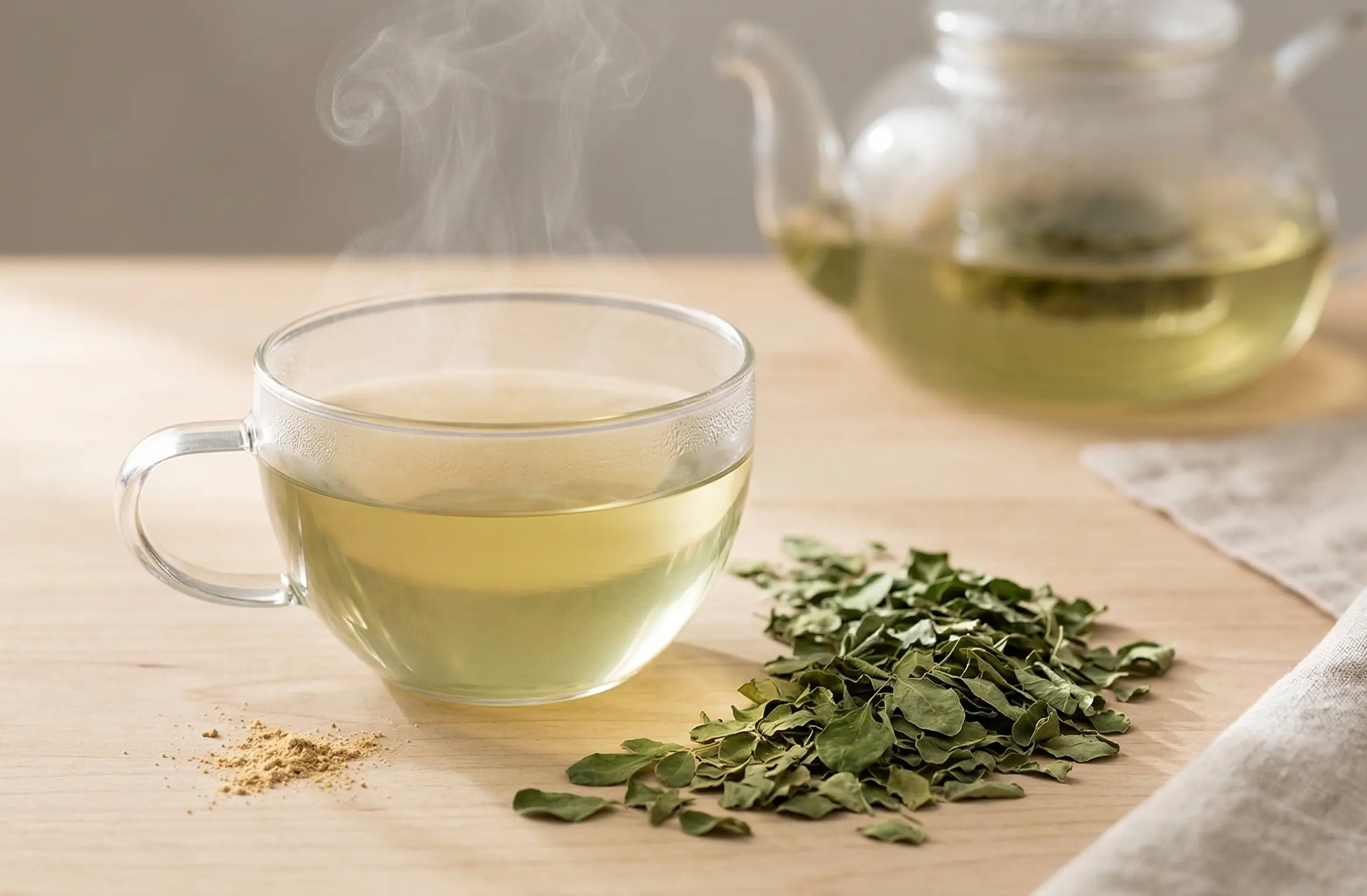
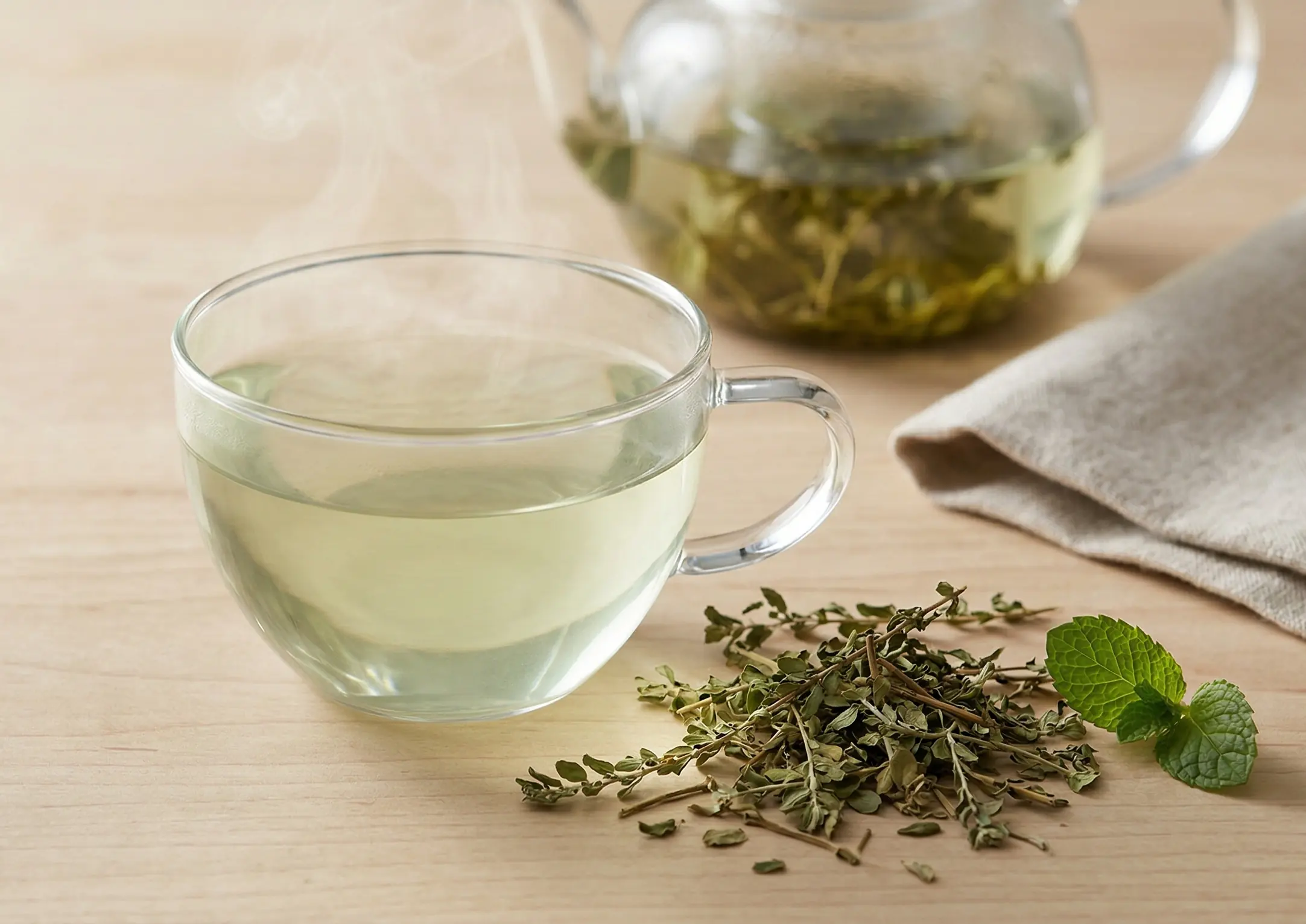
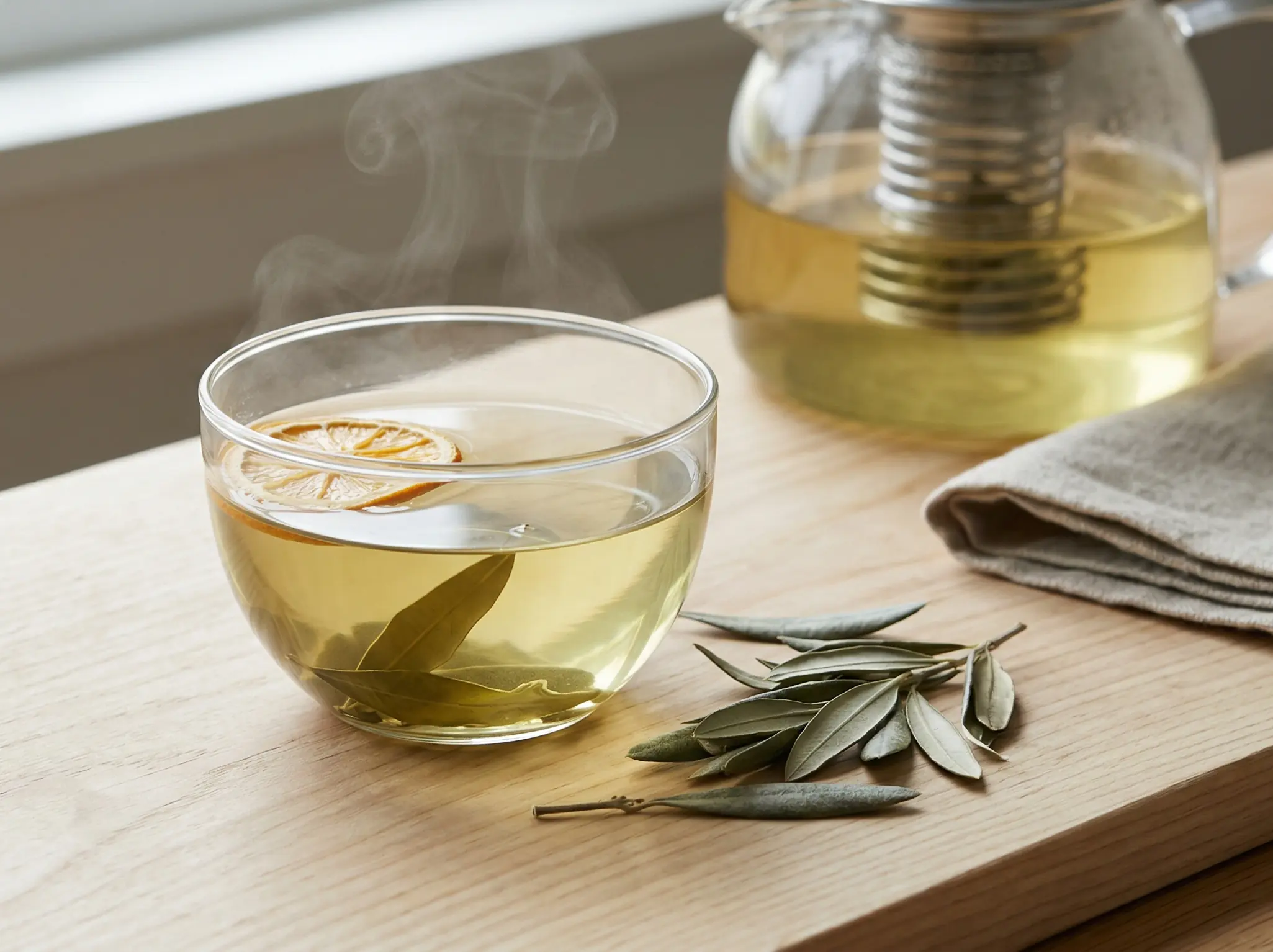
Olive Leaf Tea is an infusion of discreet elegance. Unlike fruity, sweet, or heavily perfumed beverages, it delivers a more sober profile: vegetal, slightly bitter, clean, and with a refined sensation of dryness at the end. Olive leaf connects with Mediterranean imagery, but here it should be professional care as a botanical ingredient for simple preparation, not as a health promise. The recipe proposes an adult cup, caffeine-free, with an optional touch of orange to brighten the aroma and soften the bitterness. As it is in a body-result category, the text needs to avoid any suggestion of suggested bodily results. Olive leaf tea should not be presented as a drink that loses weight, reduces swelling, controls blood pressure, glucose, or cholesterol. These topics are clinical and depend on individual evaluation. The safest way to value the recipe is to highlight its role as a sugar-free alternative to more caloric or very sweet beverages within a balanced routine. The cup can help compose hydration and breaks, but does not replace adequate nutrition, professional monitoring, or professional care when necessary. The preparation is delicate. The dried leaves do not need to boil; hot water off the heat and covering for 8 to 10 minutes are sufficient to extract flavor and aroma. If the infusion is left too long, the bitterness may increase and make the drink less pleasant. The orange slice should be optional and used in balance. It adds fragrance, color, and a light aromatic sweetness, but may bother individuals with reflux or gastritis. For a more elegant cup, it is also possible to use only a strip of well-washed peel, avoiding excess acidity. Sensorially, this tea pairs well with calm afternoons, work breaks, reading, planning moments, and days when one wants something light without resorting to sweetened beverages. It has a minimalist, almost contemplative air, and works well both warm and in a smooth cold version. Its sophistication lies in not trying to please through excess: it is a clean, clear, and adult drink. With appropriate guidance on medications, blood pressure, glucose, and moderate use, Olive Leaf Tea becomes a safe, beautiful recipe aligned with a premium honest wellness proposal.
Summary
Infusion of dried olive leaves with delicate bitterness and optional orange, elegant and light for moderate adult consumption.
Flavor profile
The flavor is vegetal, light, and discreetly bitter, with a low to medium body and a dry finish. Olive leaf has an elegant profile, less rustic than many bitter herbs, yet still striking. The orange, when used in a slice or small amount, adds citrus aroma, softens the finish, and makes the drink more luminous without turning the tea into a sweet infusion.
When to prepare
It can be consumed in late morning or mid-afternoon, especially when one desires a light, caffeine-free, and sugar-free drink. It also pairs well with work breaks, reading, or moments when a more sober cup makes sense. It should not be used as a strategy for body-result, reducing swelling, or controlling health indicators. Individuals with low blood pressure, diabetes, or those on medication should avoid regular consumption without professional guidance.
Use notes
Olive leaf produces a delicate, slightly bitter, and aromatic infusion that may contribute to hydration and a more sober break during the day. As it contains no sugar and has a light profile, it can be an interesting alternative to sweet beverages within a balanced routine. However, it should not be presented as a resource for body-result, reducing swelling, controlling blood pressure, glucose, cholesterol, or any clinical condition. Its safest benefit lies in the sensory experience, elegant flavor, and the possibility of varying hydration with a caffeine-free drink. Individuals with low blood pressure, diabetes, medication use, pregnancy, lactation, or chronic illnesses should seek professional guidance before regular consumption. It does not replace diagnosis, professional care, medications, nutritional monitoring, or consistent lifestyle habits.
Ingredients
- 1 teaspoon of dried olive leaves
- 300 ml of hot water
- 1 slice of orange (optional)
Preparation
- 1. Heat the water until just before boiling.
- 2. Turn off the heat.
- 3. Add the olive leaves and cover for 8 to 10 minutes.
- 4. Strain and serve warm.
Preparation tips
Use dried olive leaves suitable for infusion from a reliable supplier. Heat the water until just before boiling, turn off the heat, and add the leaves with the container covered. The time of 8 to 10 minutes extracts aroma and light bitterness without weighing too much. Strain before serving. For a milder version, use half a teaspoon or reduce the infusion to 6 to 7 minutes. If using orange, wash the fruit well and prefer a thin slice or a small strip of peel. Avoid sweetening too much to preserve the vegetal elegance. Do not increase the dose seeking metabolic or bodily effects.
Variations
For a milder version, use half a teaspoon of dried leaves in 300 ml of water. For a more citrus and less acidic profile, replace the orange slice with a small strip of peel, added only during the covering. For a cold version, prepare the infusion lighter, strain, let cool, and serve with ice. A thin slice of apple can be used to round out the bitterness without sugar. Avoid combining with other plants associated with body-result, blood pressure, or glucose without professional guidance, as this may increase risks and make use less safe.
Enjoy your tea
Care and observations
Adult use only. Individuals with low blood pressure, diabetes, hypoglycemia, chronic illnesses, or those taking antihypertensives, hypoglycemics, insulin, anticoagulants, or other ongoing medications should consult a healthcare professional before regular consumption. Pregnant and breastfeeding women should avoid without professional guidance. Avoid excess, prolonged use without monitoring, and very concentrated preparation. The orange is optional and may bother individuals with reflux or sensitive gastritis. Discontinue use in case of dizziness, weakness, malaise, gastrointestinal discomfort, allergy, or any unusual reaction.