Tea Jurubeba
Good Bitter & Comfort
About this recipe
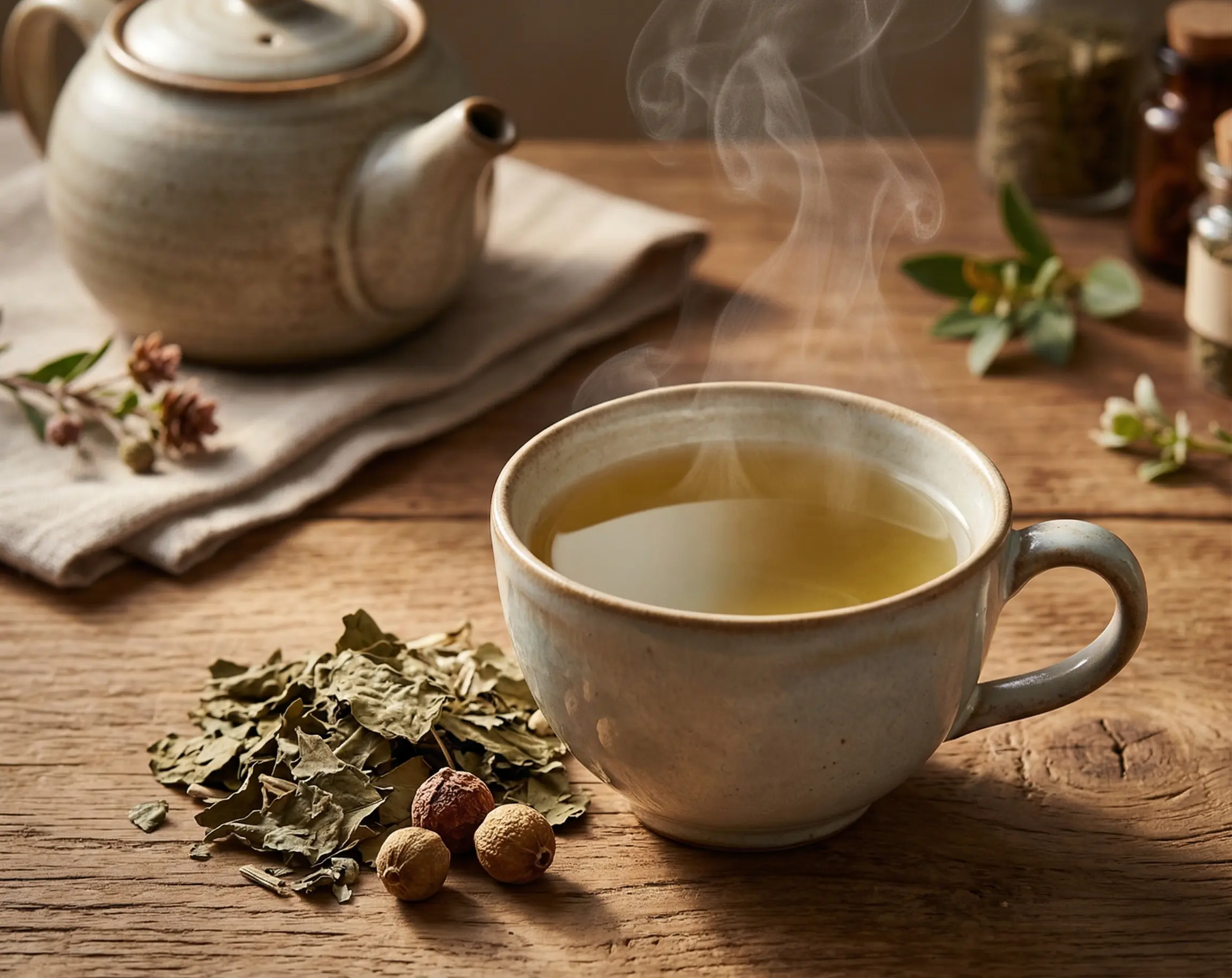
The Jurubeba Blessing Tea is a recipe with a strong personality. It does not try to please with sweetness, floral perfume, or refreshing acidity. Jurubeba delivers bitterness, vegetal presence, and a sense of old apothecary tea, part of the Brazilian popular repertoire. It is a drink for adults who appreciate intense flavors and understand that a bitter cup can have sensory value, even without becoming a promise of healing. The purpose of this recipe is to offer a short decoction, well strained, and for occasional use, especially after heavier meals. Jurubeba is traditionally associated with digestive preparations and the imagery of liver care, but the text needs to be cautious. This tea should not be presented as a professional care for the liver, hangovers, gas, poor digestion, nausea, inflammation, or malaise. It should also not be used to compensate for excess alcohol or food. If a person experiences severe pain, persistent vomiting, fever, yellowing of the personal care or eyes, intense malaise, or recurring symptoms, the cup is not enough; professional evaluation is necessary. The tea can be a bitter and traditional drink, but it does not replace health care. Preparation calls for moderation. One teaspoon for 400 ml of water is already sufficient, as jurubeba can become very intense. Simmering on low heat for 6 to 8 minutes helps extract flavor without turning the drink into something aggressive. Afterward, the covered resting integrates the botanical profile before straining. It is not a recipe to make very concentrated, nor to consume several times a day. The strength lies in punctual use and clarity about its limits. Sensorially, the Jurubeba Blessing Tea is dry, bitter, and herbal, with a persistent finish. It pairs well with a slow pause after heavy food, as long as the person tolerates bitterness and does not have gastritis or sensitive reflux. In a premium curation, its color lies in embracing its rusticity with elegance: a traditional, Brazilian, intense, and well-guided recipe. The name may sound welcoming, but communication needs to be honest. The true blessing here is responsibility: prepare well, consume little, observe the body, and do not turn tradition into a medical promise.
Summary
Bitter decoction of jurubeba, intense and botanical, designed for occasional adult consumption after heavy meals, without therapeutic promises.
Flavor profile
The flavor is bitter, herbal, dry, and persistent, with a medium body and a marked finish. Jurubeba has an intense vegetal presence, reminiscent of bitter leaves, peels, and apothecary preparations. It is not a naturally sweet or smooth drink. When the decoction goes too far, the bitterness can become aggressive and completely dominate the experience.
When to prepare
It can be consumed occasionally after heavier meals, always in small amounts and by adults who tolerate bitter flavors. It also pairs well with moments when a person desires a hot, serious, and botanical drink. It should not be used as a solution for hangovers, abdominal pain, persistent nausea, or liver problems. If there is significant malaise, recurring symptoms, or warning signs, seek professional guidance instead of insisting on the drink.
Use notes
Jurubeba is a bitter plant traditionally used in homemade preparations, especially associated with the time after heavier meals. In safe language, the drink can be presented as an intense botanical decoction, capable of offering a sensory pause and digestive bitterness for some people. However, it should not be described as liver protective, a professional care for hangovers, gas, poor digestion, inflammation, malaise, or any health condition. The safest benefit lies in the moderate ritual, the characteristic bitter flavor, and hydration. People with strong, frequent, or persistent symptoms need professional evaluation. The drink does not replace diagnosis, medical professional care, medications, liver care, adequate hydration, or nutritional guidance.
Ingredients
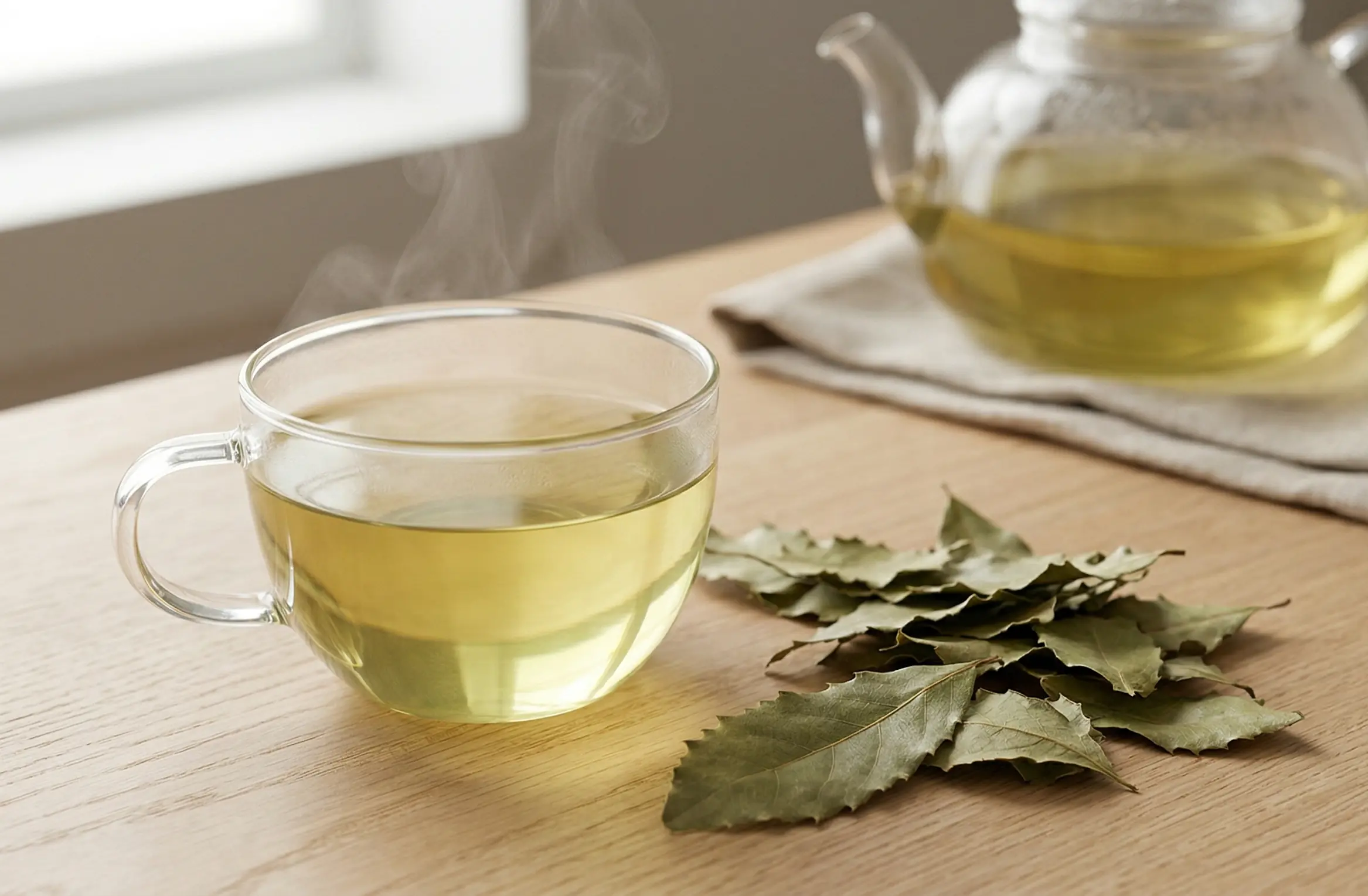
- 1 teaspoon of dried jurubeba (leaves or pieces of the fruit)
- 400 ml of water
Preparation
- 1. Boil the water.
- 2. Add the jurubeba and simmer on low heat for 6 to 8 minutes.
- 3. Turn off, cover, and let steep for 5 minutes.
- 4. Strain well and drink warm.
Preparation tips
Use dried jurubeba from a reliable and well-identified supplier. Do not increase the amount, as the flavor is naturally intense. Simmer on low heat for 6 to 8 minutes and avoid prolonged boiling, which can make the drink too bitter. After turning off, cover for 5 minutes and strain very well. Serve warm, in a small portion. If the bitterness becomes excessive, dilute with hot water. Avoid sweetening too much, as this can mask the plant's profile and encourage greater consumption than necessary. Do not use daily for long periods without guidance.
Variations
For a milder version, use half a teaspoon of jurubeba in 400 ml of water and reduce the cooking time to 5 minutes. For a more pleasant aroma, add a small strip of well-washed orange peel only during the final steeping, removing it when straining. For those who tolerate spices well, a minimal piece of cinnamon can round out the bitterness, but it should be used with caution. Avoid lemon if there is gastritis or reflux. Also, avoid combining with boldo, carqueja, or other very bitter plants without professional guidance, as the drink can become aggressive and unsuitable for safe use.
Enjoy your tea
Care and observations
Adult and occasional use. Jurubeba has an intense bitter flavor and should not be used excessively or continuously without professional supervision. People with gastritis, reflux, liver disease, kidney disease, chronic illnesses, allergies, pregnant or breastfeeding women, or those on continuous medication should consult a health professional before regular consumption. Avoid using to mask significant discomfort after alcohol, heavy food, or persistent symptoms. Seek medical attention if there is severe abdominal pain, persistent vomiting, fever, yellowing of the personal care or eyes, intense malaise, signs of dehydration, or worsening condition. Discontinue use in case of discomfort or unusual reaction.