Tea Holy Thorn
Gastric Shield
About this recipe
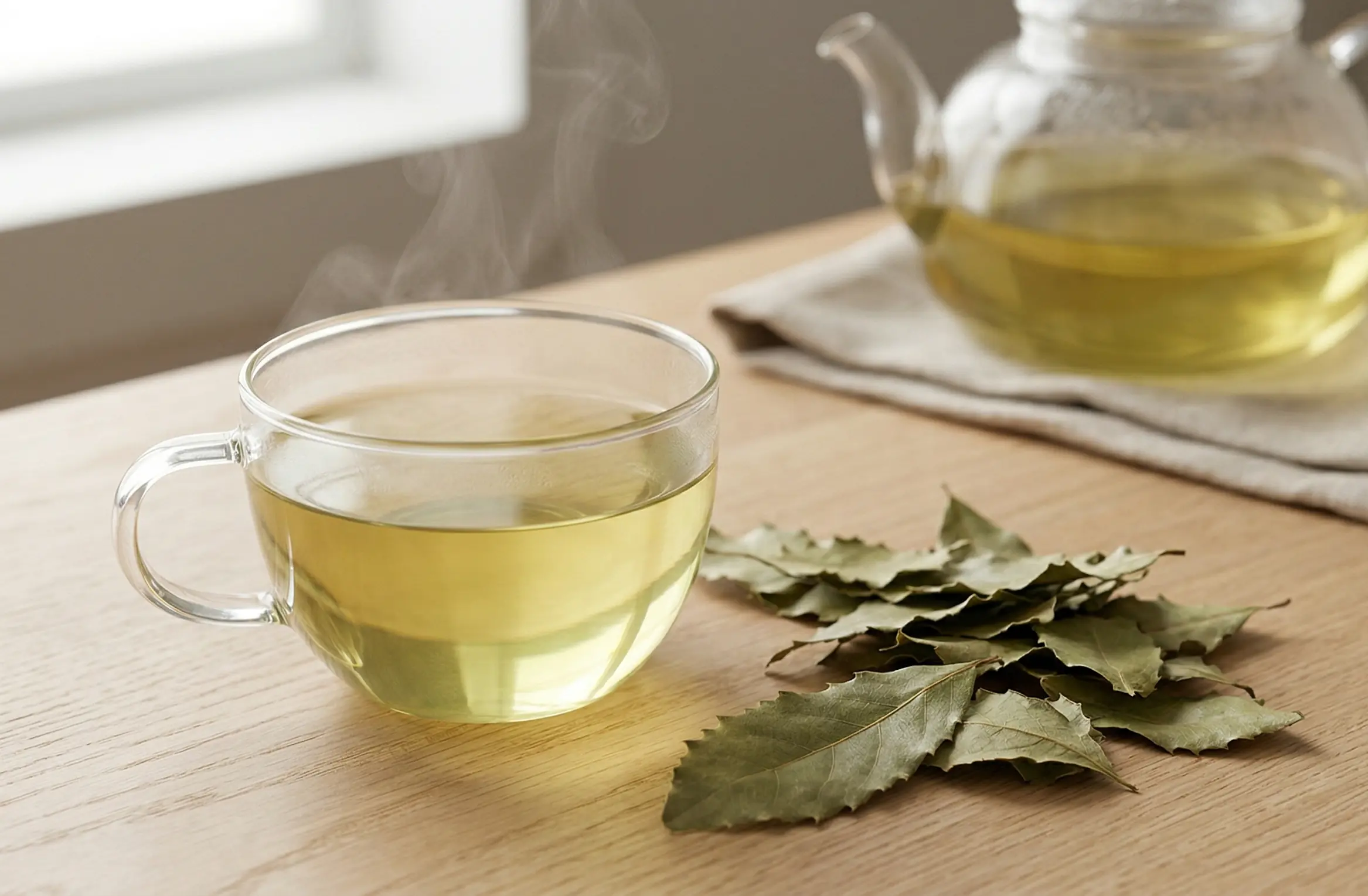
The Espinheira Shield Tea is a simple herbal infusion, with a green and slightly bitter flavor, designed for moments when one desires a warm and discreet cup. Espinheira-santa is a well-known plant in traditional Brazilian use, especially regarding sensitive stomachs. Precisely because of this fame, the content needs to be careful: the recipe can embrace tradition but should not turn the cup into a medical promise. The tea does not replace professional evaluation, does not professional care gastritis, ulcers, reflux, or persistent heartburn, and should not be used to mask important symptoms. The safest proposal is to present the drink as a sensory comfort infusion. The warmth of the water, the herbal flavor, the ritual of drinking slowly, and the simplicity of preparation can create a gentler pause after meals or on days when the stomach feels more delicate. This does not equate to suggested therapeutic effect. When there is intense pain, vomiting, bleeding, unexplained body-result, frequent reflux, persistent heartburn, or continuous medication use, professional guidance is essential. The preparation should be light and controlled. One teaspoon for 250 ml of water is sufficient. The espinheira-santa does not need to boil; just hot water, turned off heat, covered container, and infusion for 8 to 10 minutes. This care avoids a very bitter drink and better preserves the herbal profile. Straining should be done before drinking, and the cup should be consumed warm, without haste. Prolonged and concentrated use does not align with a safe approach. Sensorially, the Espinheira Shield Tea is sober. It does not seek sweetness, floral perfume, or complexity of spices. Its identity lies in simplicity: dried leaves, hot water, and a fine bitterness reminiscent of soft grass. In a premium curation, it should be valued for clarity and responsibility. It is a useful recipe when explained with limits, warnings, and respect for the user. A cup can be welcoming, but it should not take the place of health care when the body signals that it needs evaluation.
Summary
Infusion of espinheira-santa with a mild herbal flavor, designed for a warm break on days of sensitive stomach, for adult and moderate use.
Flavor profile
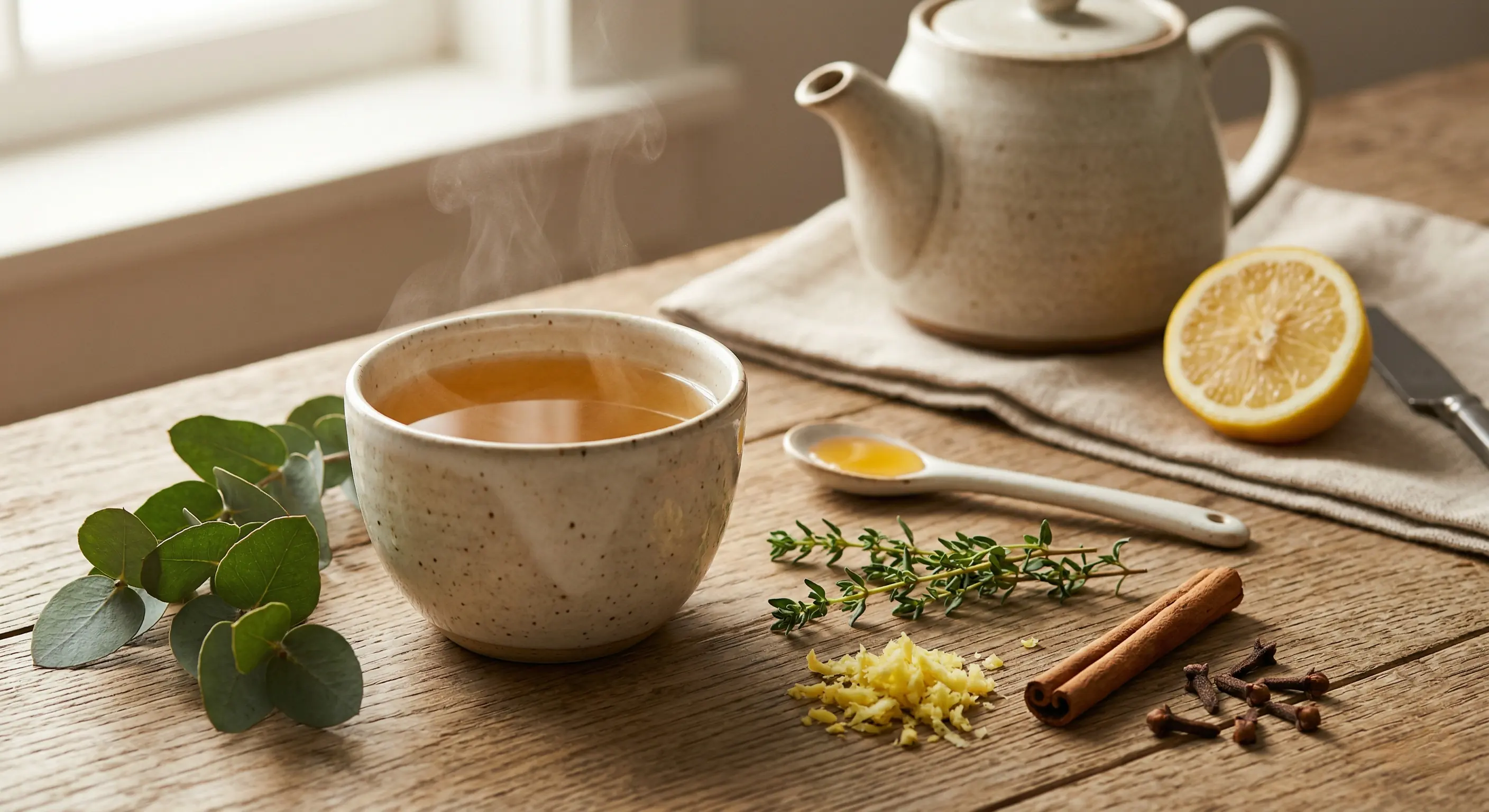
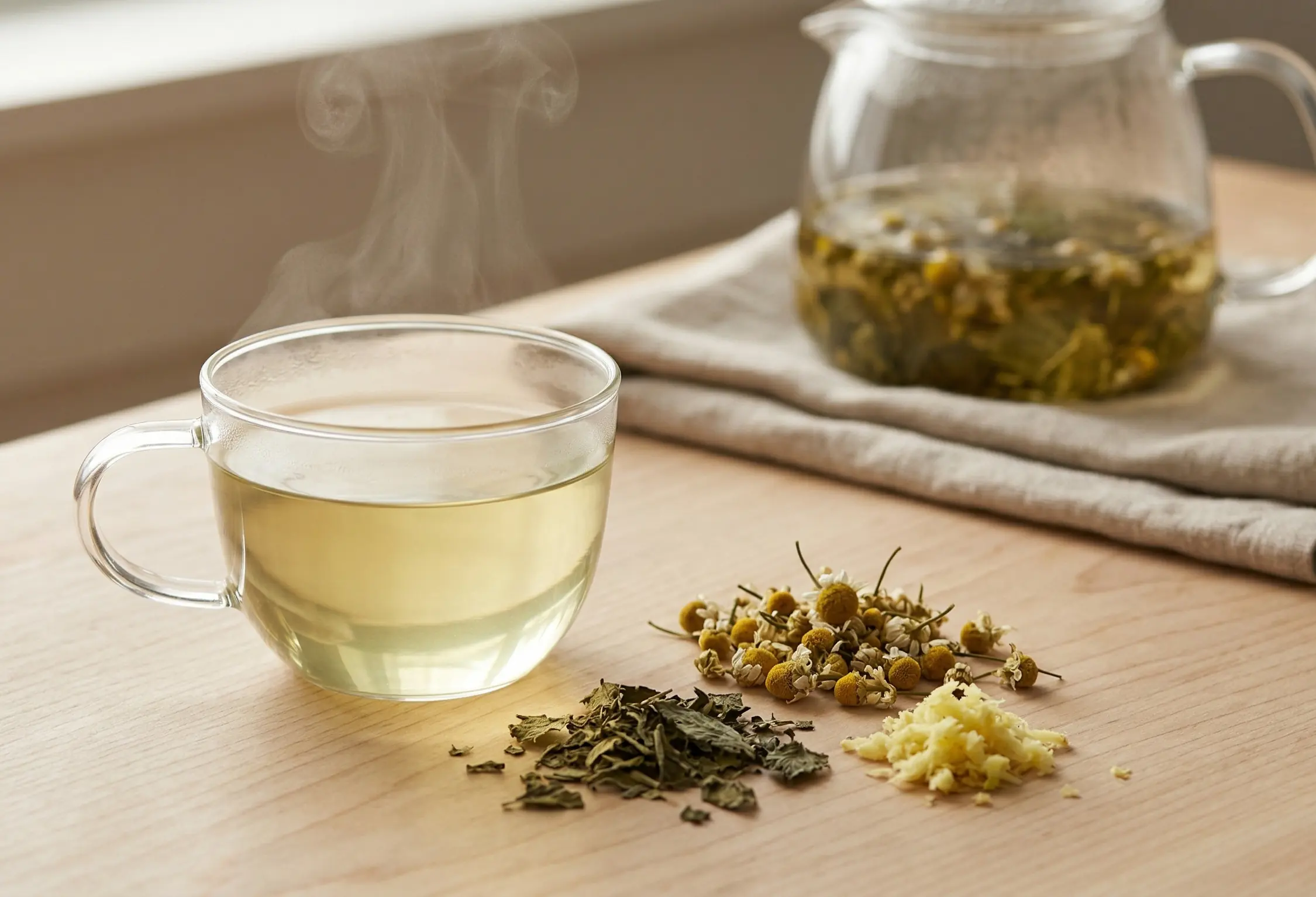
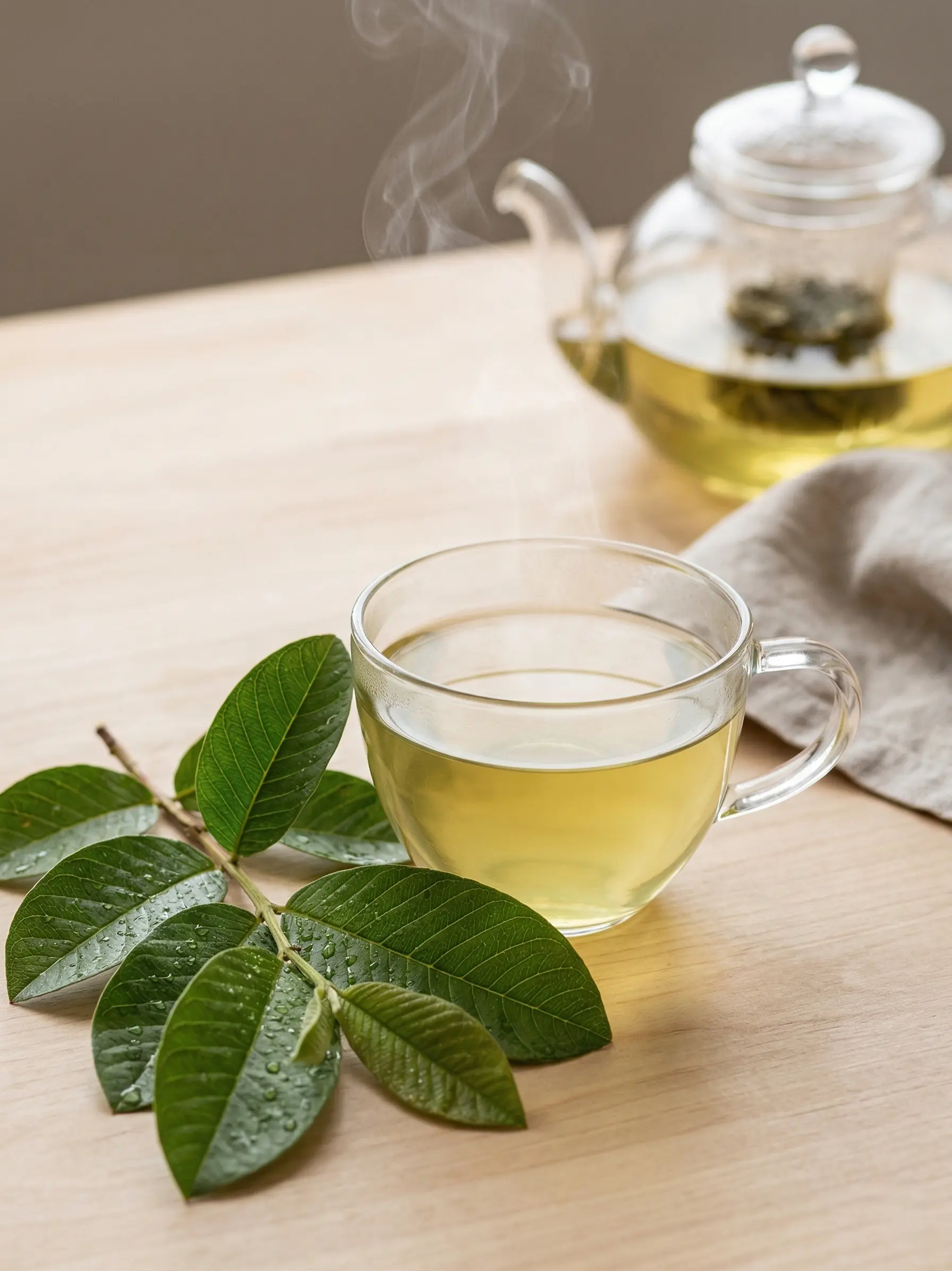
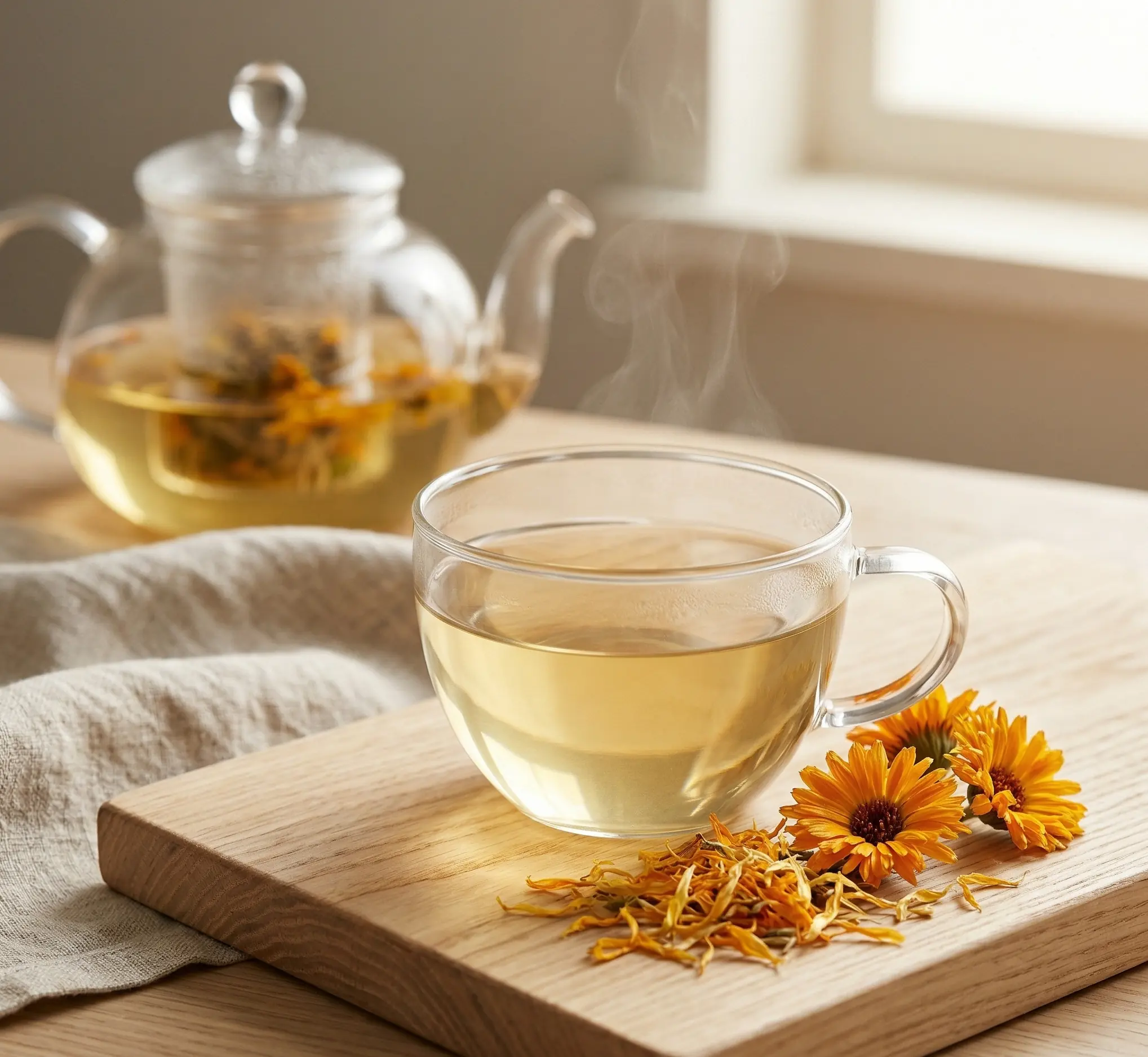
The flavor is herbal, green, slightly bitter, and dry, with a light body and simple finish. Espinheira-santa has the aroma of dried leaves and soft grass, without marked natural sweetness. When the infusion is overdone, the bitterness can become more evident. When well prepared, the drink is direct, warm, and discreet, with a short persistence and clean sensation in the mouth.
When to prepare
It can be consumed after meals or during a quiet break in the day when one desires a warm, simple, and caffeine-free drink. It should not be used as professional care for heartburn, gastritis, reflux, pain, or persistent discomfort. It is also not a drink for continuous consumption without guidance. If symptoms are frequent, strong, nocturnal, accompanied by vomiting, bleeding, or body-result, seek professional evaluation instead of insisting on the tea.
Use notes
Espinheira-santa is traditionally used in herbal preparations associated with gastric comfort, but the recipe must be described responsibly. The infusion can contribute to a sensory feeling of comfort on days of sensitive stomach, especially as it is warm, simple, and has a mild herbal profile. Still, it should not be presented as a suggested gastric protector, professional care for gastritis, ulcers, reflux, heartburn, pain, or any digestive condition. The safest benefit lies in the ritual of pause, hydration, and moderate use of a plant known in traditional repertoire. Frequent, strong, or persistent symptoms require professional evaluation. The drink does not replace diagnosis, medications, prescribed antacids, gastric protectors, medical professional care, or health monitoring.
Ingredients
- 1 teaspoon of dried espinheira-santa leaves
- 250 ml of hot water (almost boiling)
Preparation
- 1. Heat the water until almost boiling.
- 2. Turn off the heat.
- 3. Add the espinheira-santa and cover for 8 to 10 minutes.
- 4. Strain and drink warm.
Preparation tips
Use dried espinheira-santa from a reliable supplier, suitable for infusion. Heat the water until almost boiling, turn off the heat, and add the herb with the container covered. Keep for 8 to 10 minutes and strain before drinking. For a milder drink, use half a teaspoon or reduce the infusion to 6 minutes. Avoid boiling the plant directly, as this can concentrate bitterness. Do not mix with many digestive herbs at the same time, especially if you are using medications. Serve warm and observe tolerance. Avoid sweetening too much to not mask signs of discomfort.
Variations
For a milder version, use half a teaspoon in 250 ml of water and keep the infusion short. For a more pleasant aroma, add a small strip of well-washed apple peel during the steeping, removing it when straining. For those who tolerate citrus well, a minimal strip of orange peel can scent the drink, but avoid lemon if there is reflux or sensitive gastritis. It is also possible to prepare a smaller amount, just one cup, instead of letting the tea sit. Avoid combining with ginger, clove, pepper, or strong spices, as they can irritate a sensitive stomach.
Enjoy your tea
Care and observations
Adult use only. Prefer short-term use during mild discomfort phases and avoid prolonged continuous use without professional guidance. Pregnant and breastfeeding women should avoid without guidance. It may worsen constipation in some people. Individuals with intense gastritis, ulcers, significant reflux, persistent abdominal pain, vomiting, unexplained body-result, chronic diseases, plant allergies, or continuous medication use should consult a health professional before regular consumption. Seek medical evaluation if there is worsening, severe pain, persistent symptoms, or warning signs. Do not use as a substitute for prescribed professional care.