Tea Golden Calendula
Comfort for Mouth & Throat
About this recipe
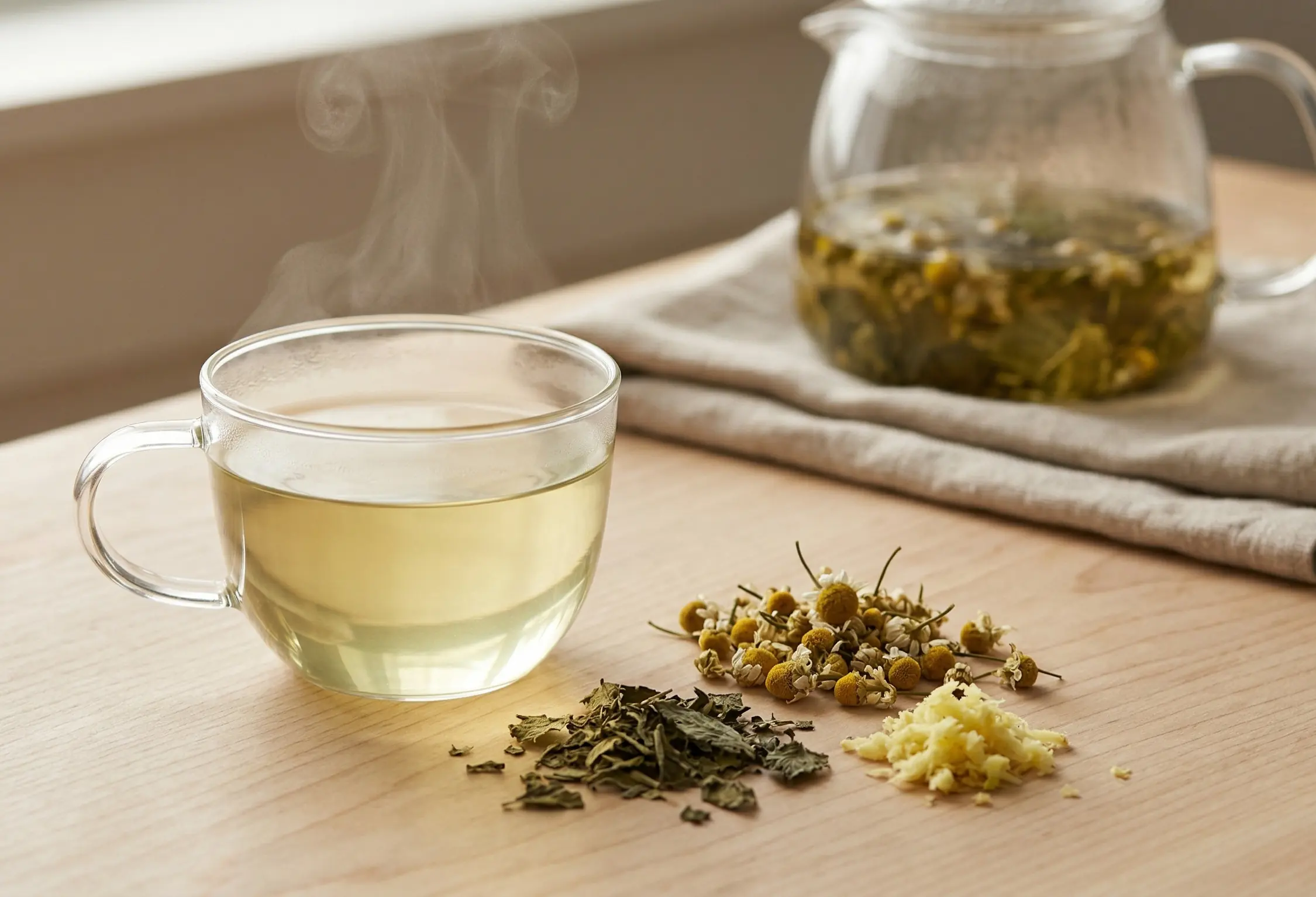
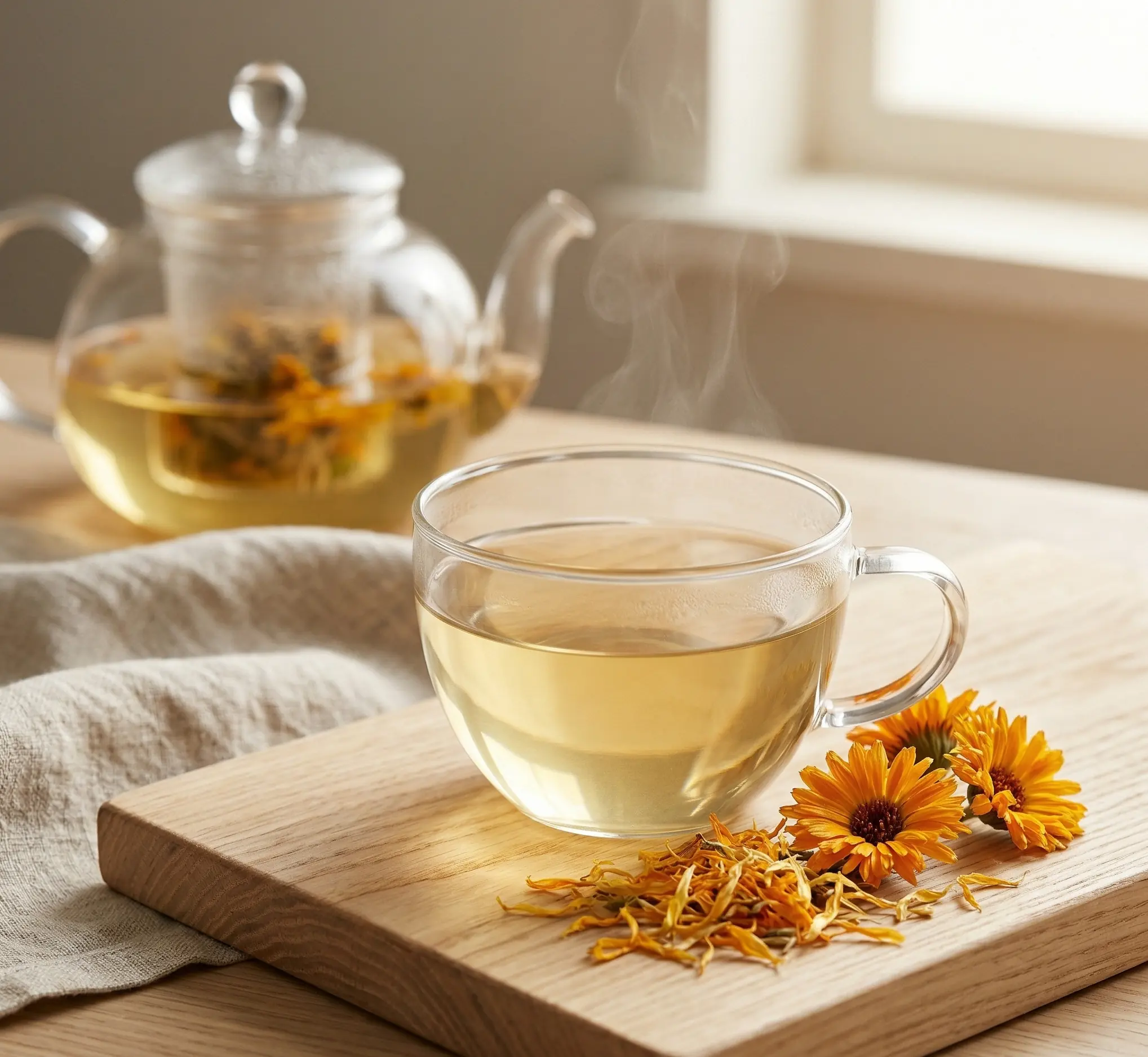
Golden Calendula Tea is a delicate infusion with a clear color and a soft floral presence, ideal for moments when the cup needs to feel more comforting than intense. Calendula has a simple color: golden petals, a discreet aroma, and a light flavor, with a vegetal touch that recalls dried flowers and a sunny garden. In the cup, it does not try to impress with strength, but with a sense of care. It is a drink for cold nights, quiet pauses, and days when the throat seems to ask for something warm and gentle. Despite this association with mouth and throat comfort, the recipe should not be presented as professional care. Calendula should not be described as a clinical solution for cough, inflammation, infection, canker sores, severe pain, or persistent hoarseness. What the drink can safely offer is a sensory experience: warm water, floral fragrance, hydration, and a moment of pause. If there is high fever, shortness of breath, patches in the throat, difficulty swallowing, severe pain, or symptoms that do not improve, professional guidance is essential. The preparation is simple and should respect the delicacy of the flowers. The water needs to be hot, almost boiling, but the heat should be turned off before adding the calendula. Steeping it covered for 7 to 9 minutes better preserves the aroma and prevents the drink from tasting flat. Straining well leaves the texture cleaner and more pleasant. Because the flavor is gentle, there is no need to add many ingredients. The aesthetic strength of the recipe lies precisely in that purity: golden petals, a clear cup, and light steam. It is also important to consider allergies. Calendula belongs to the Asteraceae family, the same plant family as chamomile, daisy, and chrysanthemum. People allergic to this group should avoid it or seek guidance. Pregnant and breastfeeding people and those using medications also need caution with regular consumption. In a premium curation, Golden Calendula Tea works very well because it combines color, softness, and responsibility. It comforts without exaggerating, perfumes without overpowering, and turns a simple floral infusion into a safe and elegant ritual.
Summary
A golden, delicate calendula floral infusion designed as a warm cup of sensory comfort on cold days or when the throat feels sensitive.
Flavor profile
The flavor is floral, light, delicately vegetal, and only mildly sweet, with a light body and a clean finish. Calendula has a soft aroma of dried flowers, garden, and pale herbs, without excessive perfumed intensity. The mouthfeel is smooth and discreet, ideal for those who prefer less bitter infusions. If steeped for too long, a drier vegetal note may appear.
When to prepare
It can be consumed at night, on cold days, or during pauses when a warm, floral drink feels comforting. It also pairs well with reading, rest, quiet conversation, or a wind-down routine. It should not be used as professional care for cough, sore throat, canker sores, or infections. If there is fever, severe pain, difficulty swallowing, shortness of breath, or persistent symptoms, seek professional evaluation. Its best use is as sensory comfort, not as a medical solution.
Use notes
Calendula offers a golden, gentle floral infusion, traditionally appreciated in moments of care and pause. The drink may contribute to hydration and a sense of sensory comfort in the mouth and throat, especially because it is warm, delicate, and lightly aromatic. However, it should not be presented as a professional care for cough, sore throat, inflammation, canker sores, infections, hoarseness, or any clinical condition. The safest benefit is in the ritual of drinking something warm, floral, and well prepared, while respecting individual tolerance. People with Asteraceae allergies, pregnancy, breastfeeding, medication use, or significant symptoms should seek professional guidance. The drink does not replace diagnosis, professional care, medication, medical care, dental evaluation, or prescribed care.
Ingredients
- 1 teaspoon dried calendula flowers
- 250 ml hot water
Preparation
- 1. Heat the water until it is almost boiling.
- 2. Turn off the heat.
- 3. Add the calendula and steep, covered, for 7 to 9 minutes.
- 4. Strain and drink warm.
Preparation tips
Use dried calendula flowers intended for infusion, from a reliable supplier. Heat the water until almost boiling, turn off the heat, and add the flowers with the container covered. The 7 to 9 minute steeping time is usually enough to extract color and aroma without making the drink too vegetal. Strain before drinking. For a gentler cup, use half a teaspoon. Avoid boiling the flowers directly. Do not mix too many strong ingredients, because calendula is delicate. Serve warm, not excessively hot, especially if the throat is sensitive.
Variations
For a gentler version, reduce the amount of calendula and keep the same water volume. For a sweeter, rounder touch, add a small apple slice during the infusion. For a more floral profile, it can be combined with a small amount of chamomile, as long as there is no allergy to plants in the Asteraceae family. For a fresher version, use a tiny strip of well-washed orange peel during the final steeping. Avoid too much lemon if the throat is irritated or if there is reflux. Also avoid blends with many clinical herbs without professional guidance.
Enjoy your tea
Care and observations
Adult use. People allergic to plants in the Asteraceae family, such as chamomile, daisy, chrysanthemum, arnica, and ragweed, should avoid it or use it only with professional guidance. Use for short periods in mild discomforts and not as professional care. Pregnant and breastfeeding people, people with chronic diseases, significant allergies, or those using medications, including sedatives and ongoing medications, should consult a professional before regular consumption. If there is high fever, shortness of breath, severe pain, patches in the throat, difficulty swallowing, rapid worsening, or persistent symptoms, seek care. Discontinue use in case of itching, swelling, irritation, allergy, or discomfort.