Tea Guava Leaf
Relief for Discomfort
About this recipe
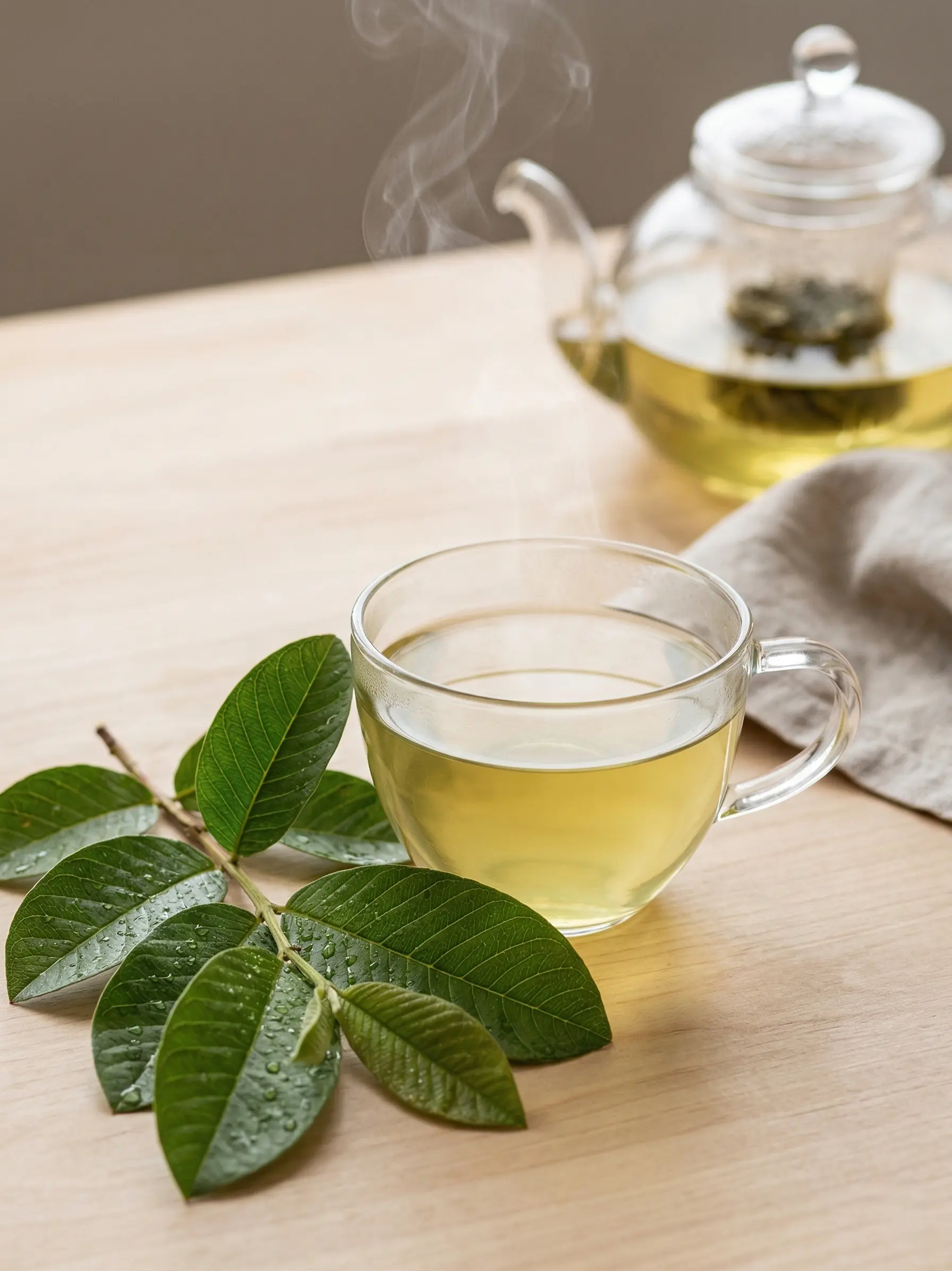
Guava Leaf Tea carries the affectionate strength of backyard recipes. It evokes freshly picked leaves, simple cooking, hot water in the pot, and a domestic tradition passed down through generations. The drink has a green, slightly astringent profile and is more rustic than floral or fruity teas. At the same time, precisely because it carries a popular reputation linked to the intestines, it needs to be presented with great care. A well-written recipe does not turn tradition into a medical promise; it informs, guides, and respects limits. Guava leaves should only be used when they are well identified and come from a reliable source, free from pesticides, pollution, and contamination. Since the plant is fresh and the leaf goes directly into preparation, hygiene is a central part of the recipe. Stained, moldy, yellowed, or pest-infested leaves should be discarded. The short cooking time on low heat, followed by steeping, helps extract flavor and astringency without making the drink too aggressive. The traditional use of guava leaves often appears in contexts of loose intestines, but this requires responsibility. Diarrhea can have various causes, including infections, poisonings, intolerances, and other conditions that should not be masked. If there is fever, blood in the stool, signs of dehydration, severe pain, frequent vomiting, or symptoms that do not improve, the tea is not the main path; the person should seek medical attention. Even in mild episodes, proper hydration and observation of the body's signals are essential. Sensorially, this tea is direct: green, dry, slightly bitter, and with an astringent finish. It is not a drink to be consumed in large quantities or for prolonged use. Its place is punctual, adult, and moderate. In a premium curation, Guava Leaf Tea can be valued for its emotional memory and simplicity, but always with clear warnings. The final cup should communicate care, not promise. When prepared with safe leaves, good hygiene, and responsible language, the recipe becomes useful, honest, and editorially ready.
Summary
Guava leaf tea with a backyard profile, green and astringent flavor, indicated for occasional and well-guided adult use.
Flavor profile
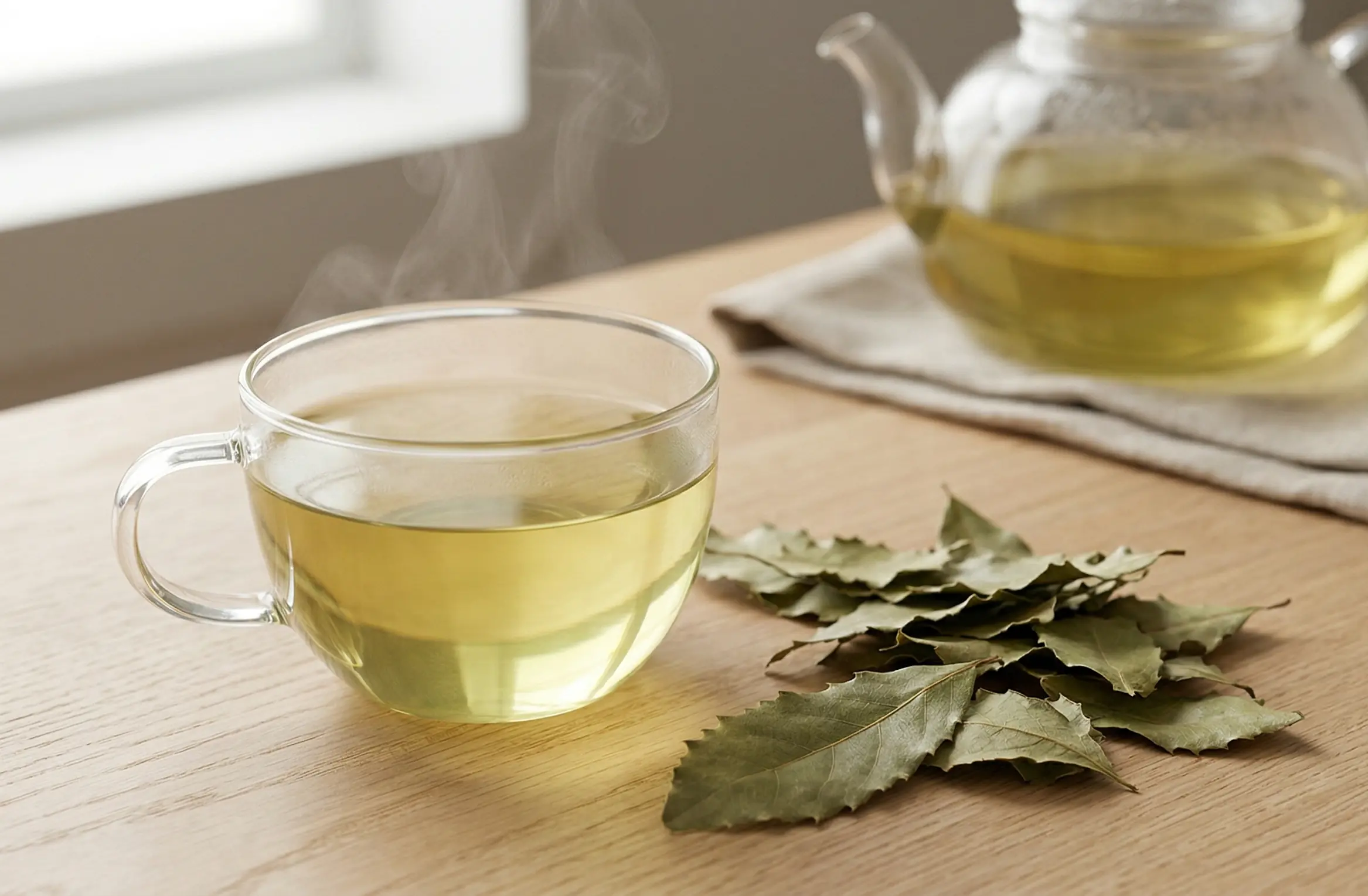
The flavor is green, herbal, slightly bitter, and astringent, with a light to medium body. The mouthfeel is dry, especially at the finish, reminiscent of leaves rich in tannins. The aroma is simple, vegetal, and backyard-like, without evident natural sweetness. If the leaves are cooked for too long, the drink can become rough and bitter.
When to prepare
It can be consumed occasionally during the day, in small amounts, when one desires a warm and astringent drink of homemade tradition. It is not indicated for prolonged daily use or for people with constipation. It should also not be used to try to resolve intense diarrhea, fever, severe pain, or signs of dehydration. In any persistent or significant symptom, the priority should be professional evaluation and proper hydration.
Use notes
Guava leaves are traditionally used in homemade preparations and produce a green, slightly astringent drink associated with backyard repertoire. In a safe formulation, it can be presented as an infusion for occasional adult use, which may offer a sense of intestinal comfort in mild situations. However, it should not be professional care as a remedy for diarrhea, intestinal infection, abdominal pain, food poisoning, or any gastrointestinal condition. Signs such as fever, blood in the stool, dehydration, intense pain, or persistent symptoms require professional evaluation. The safest benefit lies in careful preparation, hydration, and moderate use of a well-identified plant. The drink does not replace diagnosis, professional care, rehydration solution when indicated, medications, or medical care.
Ingredients
- 6 to 8 guava leaves (well washed)
- 400 ml of water
Preparation
- 1. Bring the water to a boil.
- 2. Add the guava leaves and simmer on low heat for 5 minutes.
- 3. Turn off, cover, and steep for 5 minutes.
- 4. Strain well and drink warm.
Preparation tips
Use only well-identified guava leaves from a reliable source. Wash each one under running water and discard damaged, moldy, or pest-infested leaves. Cook on low heat for only 5 minutes and then steep for another 5, avoiding excessive extraction of tannins. Strain very well before drinking. For a milder version, use 3 to 4 leaves in 400 ml of water. Do not increase the amount trying to get more effect. Prepare for consumption on the same day and avoid storing for long periods. Observe if there is constipation or discomfort after use.
Variations
For a milder version, reduce the number of leaves by half and keep the same volume of water. To improve the aroma without increasing acidity, add a small strip of apple peel during the steeping. For a slightly citrus profile, use a minimal strip of well-washed orange peel, removing it when straining. Avoid lemon if there is gastric irritation. It is also possible to dilute the ready tea with warm water if the flavor becomes too astringent. Do not combine with pomegranate peel or other astringent plants without guidance, as the drink may become excessively dry and bind the intestines.
Enjoy your tea
Care and observations
Adult and occasional use. Use well-identified leaves from a reliable source, free of pesticides, and wash them very well before preparation. Due to its astringent profile, it may bind the intestines in some people; avoid in constipation. If there is intense diarrhea, fever, blood in the stool, signs of dehydration, severe pain, frequent vomiting, or persistent symptoms, seek medical attention. Pregnant, breastfeeding individuals, those with chronic diseases, allergies, or continuous medication use should consult a professional before regular consumption. Suspend use in case of discomfort, allergy, or worsening symptoms.