Tea Ginger Cinnamon
Heat & Intensity
About this recipe
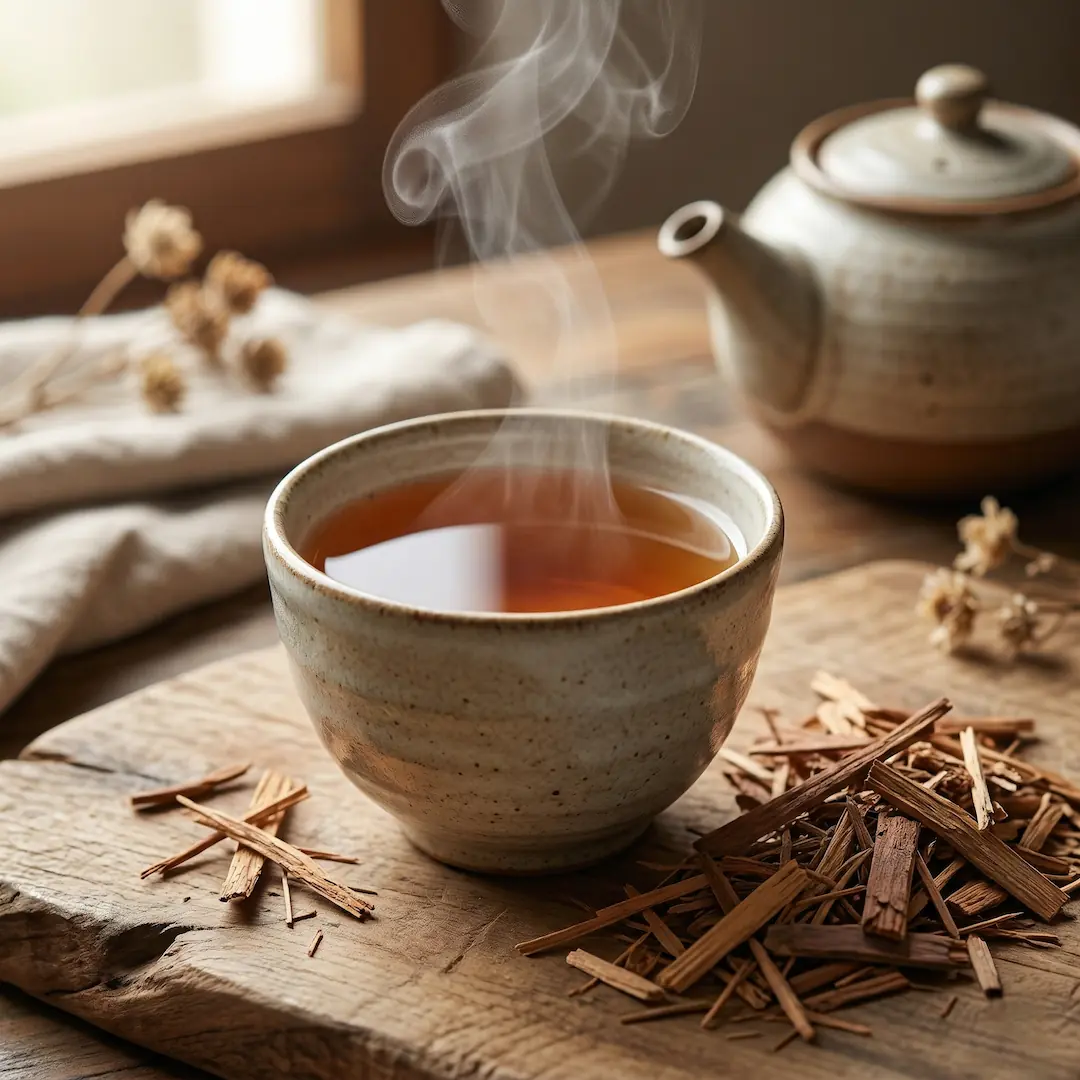
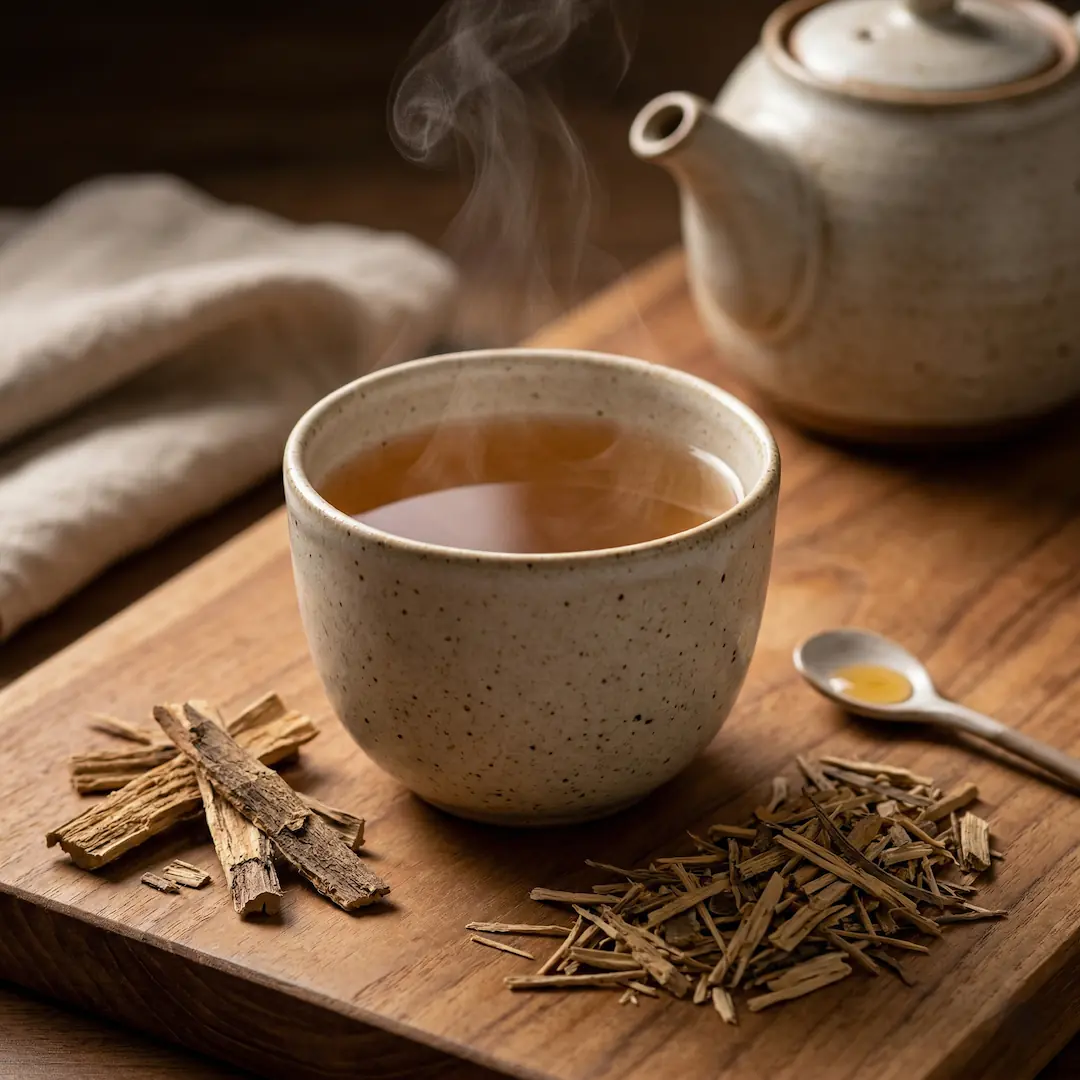
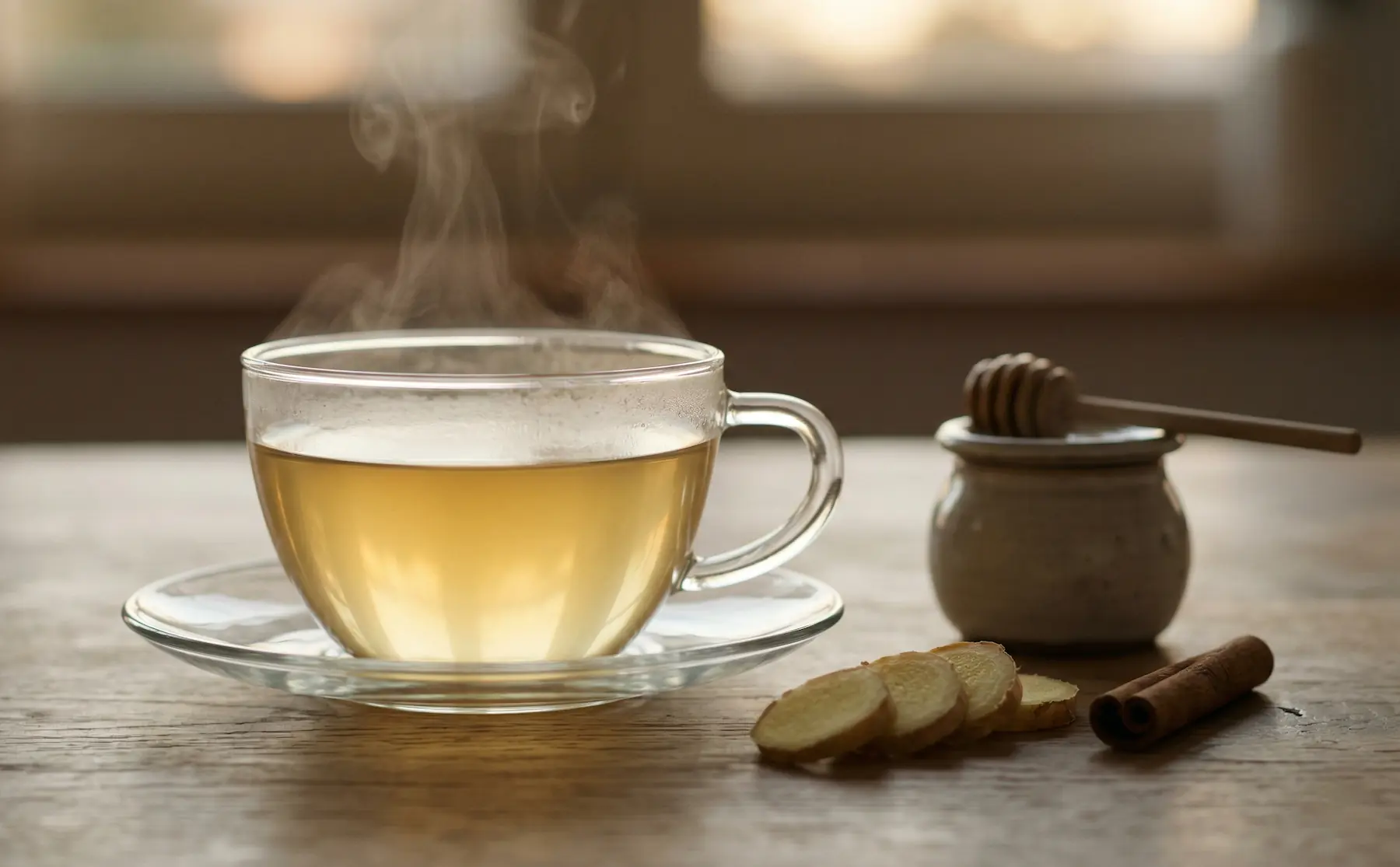
Ginger Cinnamon Tea is a warm, spiced drink with an intense presence. Ginger brings a clear, aromatic spiciness, while cinnamon offers aromatic sweetness, warmth, and comfort. Optional honey can round out the cup, making the finish softer, but the recipe works even without sweetening. It is a tea of atmosphere: cold nights, close conversation, low light, and the desire for a drink that warms the hands and the palate. In the sensory category, the text needs to be sensory and responsible. Ginger and cinnamon are often associated with warmth and vitality, but that does not mean the drink increases intimate response, improves performance, or solves tiredness. Intimacy depends on health, rest, emotional context, communication, and well-being. Tea can help build atmosphere through aroma and temperature, but it does not replace communication, emotional care, or professional evaluation when persistent issues exist. The preparation should control intensity. Ginger and cinnamon can boil together for 6 to 8 minutes, but they do not need more than that. Boiling too long can make the drink sharp, bitter, and irritating to the stomach. The 5-minute rest integrates the aromas before straining. Honey should be added only when the tea is warm, especially to keep the flavor more delicate and avoid a scalding drink. People with reflux, gastritis, ulcers, or anticoagulant use should use caution. Sensorially, Ginger Cinnamon Tea is warm, spicy, sweet in aroma, and persistent. It pairs well with late afternoon, a cold night, or an adult ritual of presence, always in a moderate serving. In a premium curation, its strength lies in balance: warming without being aggressive, perfuming without exaggerating, and communicating without promising. It is a drink for creating atmosphere and comfort, not for guaranteeing an effect in the body.
Summary
Ginger with cinnamon and optional honey in a warm, spiced infusion, ideal for an adult ritual of comfort and presence.
Flavor profile
The flavor is warm, spiced, mildly spicy, and sweet in aroma, with a light to medium body. Ginger brings fresh heat and a vibrant finish, while cinnamon adds woody, sweet, and comforting notes. Honey, if used, softens the spicy edge. If boiled for too long, the tea may become bitter, sharp, and heavy on the stomach.
When to prepare
It is best suited for late afternoon or early evening, especially on cold days, during conversation, or in cozy rituals. It can also pair with a simple dessert. It should not be used as an sensory, suggested source of energy, or professional care for intimate response. People with gastritis, reflux, pregnancy, anticoagulant use, or sensitivity to spices should consume it with caution and avoid frequent use without professional guidance.
Use notes
Ginger with cinnamon can create a warm, aromatic, and mildly spicy drink, offering a sensory feeling of warmth and presence. Ginger brings liveliness, cinnamon adds aromatic sweetness, and optional honey softens the finish. Still, this recipe should not be presented as a suggested sensory, source of energy, intimate response stimulant, performance enhancer, circulation booster, or any clinical effect. The safest benefit is in the aroma, sensory warmth, hydration, and adult ritual of comfort. People with gastric sensitivity, medication use, or chronic conditions should use caution. It does not replace communication, rest, therapy, medical evaluation, medication, professional care, or professional support.
Ingredients
- 2 thin slices of ginger
- 1 small cinnamon stick
- 1 teaspoon honey (optional)
- 300 ml water
Preparation
- 1. Boil the water with the ginger and cinnamon for 6 to 8 minutes.
- 2. Turn off the heat and steep, covered, for 5 minutes.
- 3. Strain and add honey when warm, if desired.
Preparation tips
Use thin slices of ginger to control extraction and a small cinnamon stick. Boil over low heat for 6 to 8 minutes, turn off the heat, and steep, covered, for 5 minutes. Strain before drinking. Add honey only when warm. For a milder version, use 1 slice of ginger and half the cinnamon. Do not increase the amount seeking more warmth or an sensory effect. Avoid drinking it scalding hot. If there is reflux or gastritis, prepare it weaker or choose a less spiced infusion.
Variations
For a more delicate version, use only 1 slice of ginger and reduce the cinnamon. For a more citrusy profile, add a small strip of well-washed orange peel during the final steeping. For a softer drink, add a thin apple slice during the steeping. For a creamier texture, strain the infusion and top it with a little warm unsweetened plant-based drink. Avoid combining it with too much clove, pepper, or cocoa if there is a sensitive stomach, as the blend can become too intense.
Enjoy your tea
Care and observations
Adult and moderate use. Ginger and cinnamon may irritate gastritis, reflux, ulcers, heartburn, sensitive mouth, or a delicate stomach. Use caution if using anticoagulants, antiplatelet medications, frequent clinical drugs, ongoing medications, or if there are clotting disorders, liver disease, chronic diseases, uncontrolled high blood pressure, or a history of bleeding. Pregnant people should use ginger and cinnamon only in small amounts and consult a professional before regular consumption. Honey is optional and should not be given to children under 1 year old. Avoid concentrated preparations, prolonged daily use, and drinking it scalding hot. Discontinue use in case of intense heartburn, nausea, abdominal pain, allergy, dizziness, or discomfort.