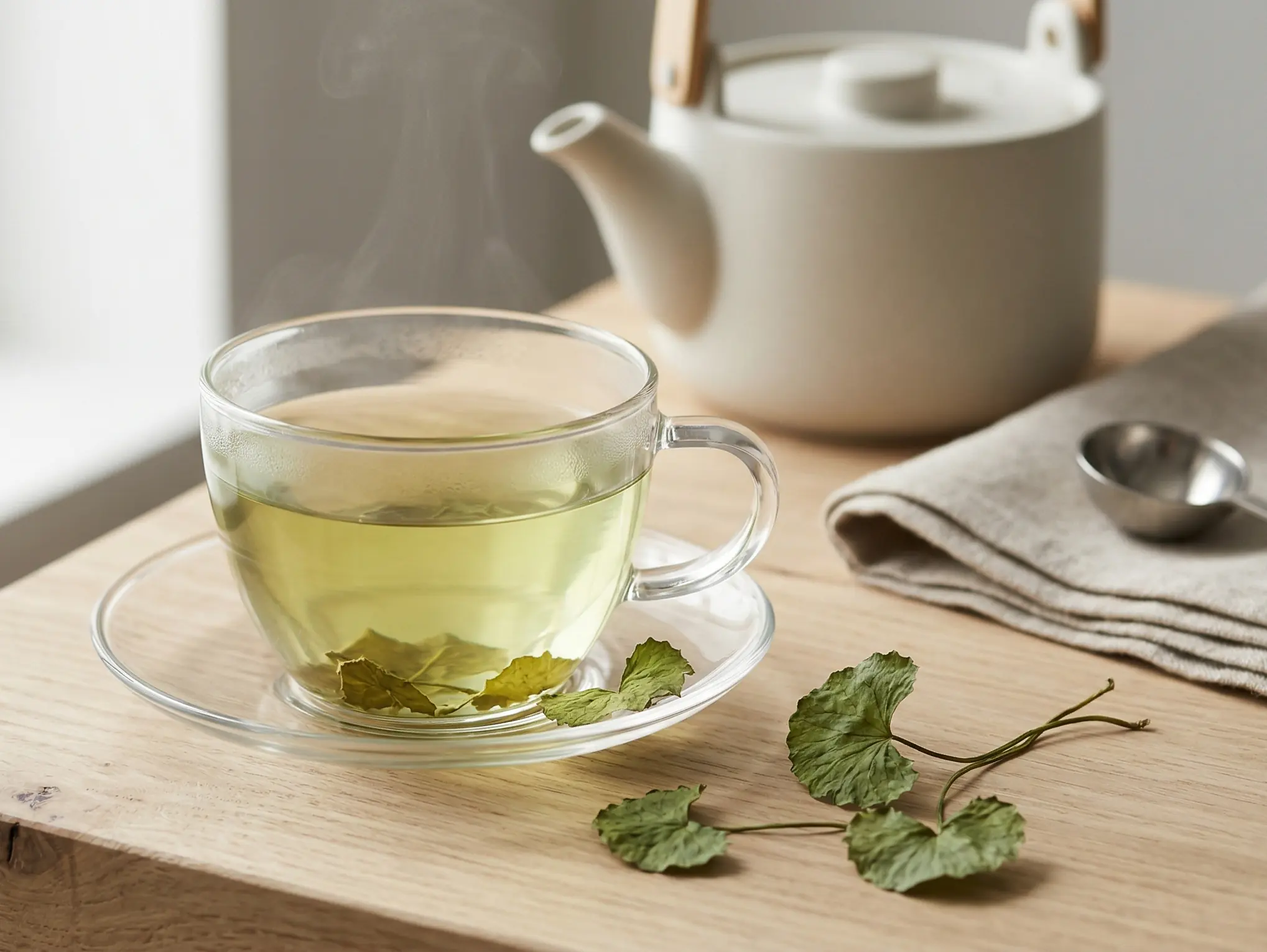
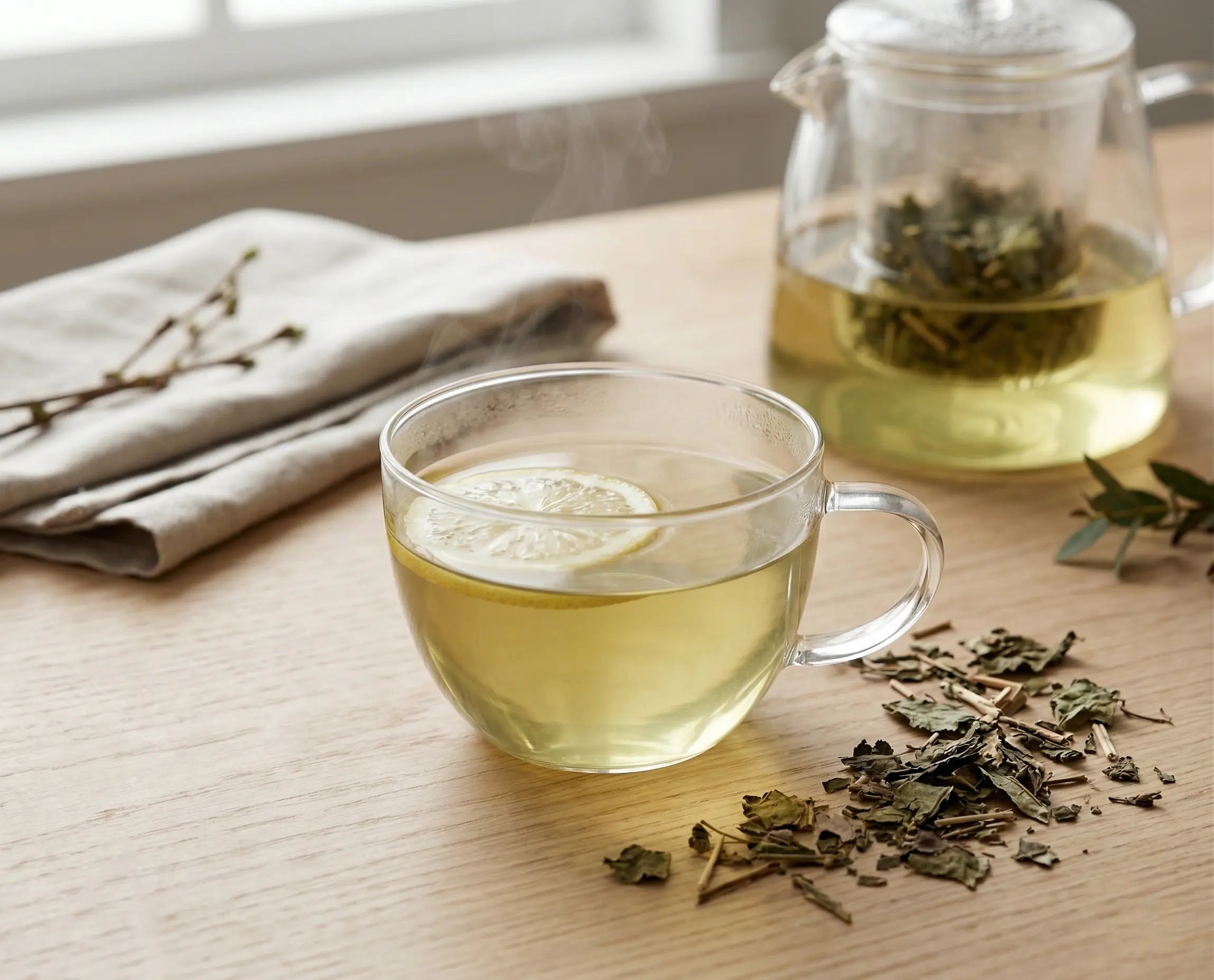
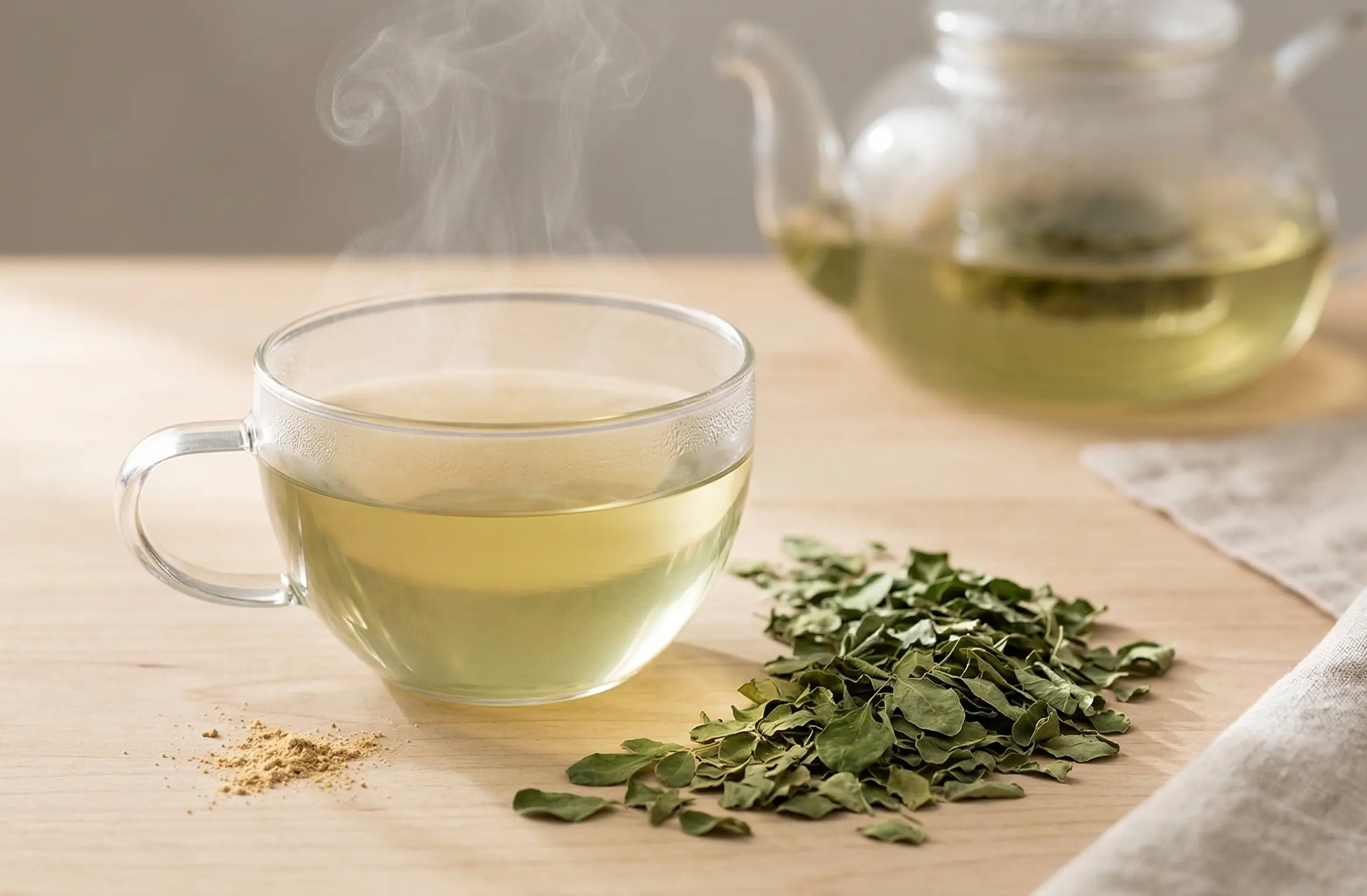
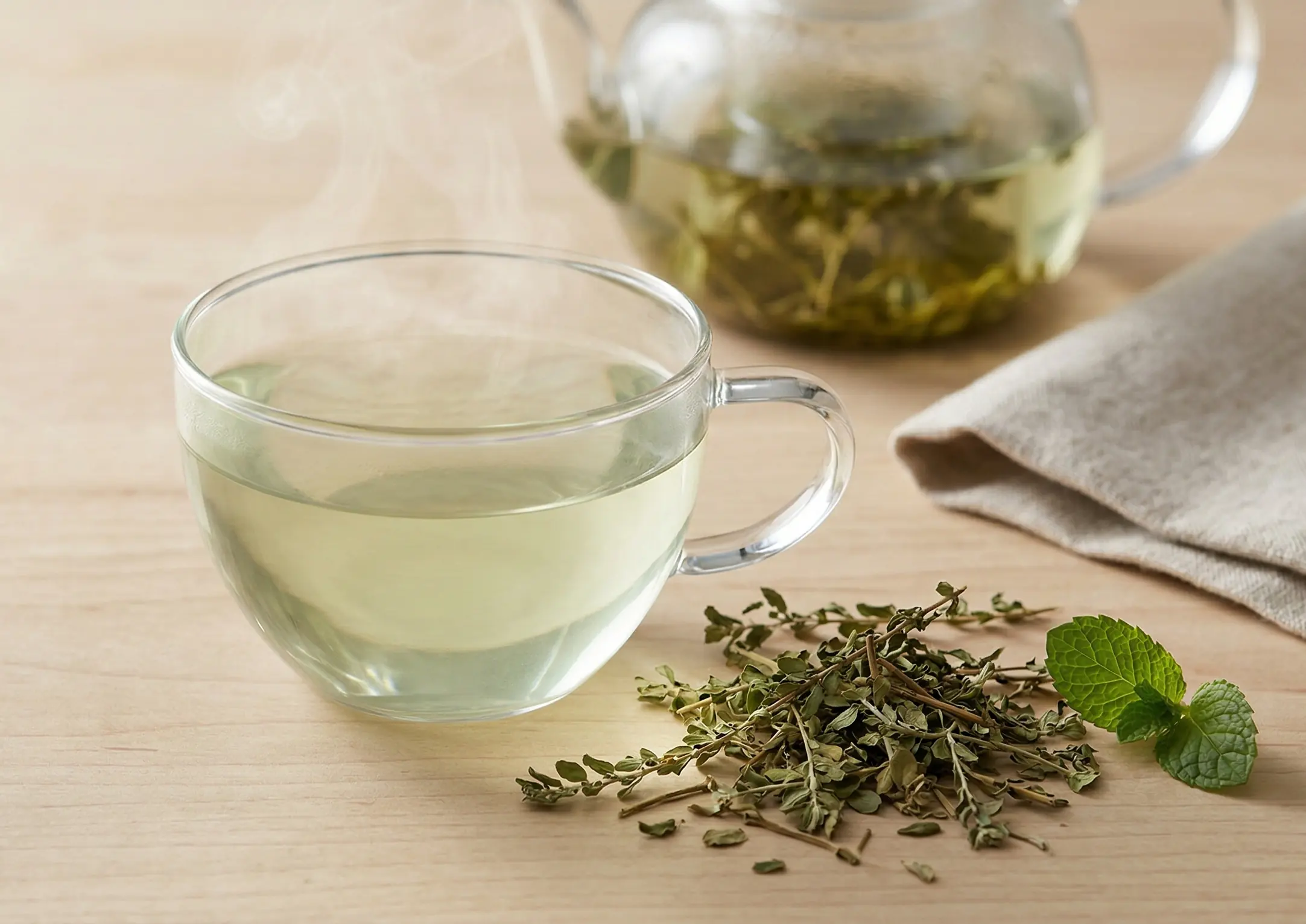
Tea Amber Oolong
Elegance without Calories
About this recipe
Amber Oolong Tea is a drink of quiet elegance. It occupies a space between the lightness of green teas and the depth of black teas, with partial oxidation that can deliver toasted, fruity, floral, or woody notes, depending on the origin and processing of the leaves. In this recipe, the aim is to highlight a soft, amber, and sophisticated oolong, served plain, without sugar, as a more refined alternative for after lunch or for a daytime break. It is a tea that demands attention to detail: water temperature, infusion time, and leaf quality make a real difference in the result. As the recipe is in a category associated with body-result, communication must be very responsible. Oolong should not be presented as a drink that promotes body-result, accelerates metabolism, promise body changes, or controls appetite. The most honest point is this: when consumed without sugar, it can replace sweet drinks and help reduce liquid calories within a more balanced routine. This is different from promising body-result. The cup serves as a choice of flavor and habit, not as professional care or a body shortcut. The value of the recipe lies in the sophistication of the experience and the possibility of drinking something complex without relying on sweeteners. The preparation requires a more delicate temperature than intense boiling. Water between 85 and 90°C usually preserves the aromatic profile of oolong better, avoiding excessive bitterness. The time of 3 to 5 minutes allows for adjusting the intensity: shorter for a light and floral cup, longer for a fuller and toasted drink. Since it contains caffeine, the best time to consume tends to be morning or afternoon, not at night, especially for sensitive individuals. Those with emotional tension, sleep difficulty, reflux, gastritis, or hypertension should monitor their tolerance and seek professional guidance when necessary. Sensorially, Amber Oolong Tea pairs well with more elegant meals, work afternoons, reading moments, or that break when the palate craves something less obvious than coffee. It has presence but does not need to be heavy. It can be served hot in a small cup or chilled for a more delicate iced version. In a premium curation, this recipe works very well because it combines technique, simplicity, and responsibility: an adult beverage, sugar-free, aromatic, and honest about its limits.
Summary
Amber oolong with a soft and sophisticated profile, a sugar-free option for after lunch or daytime breaks with a light presence of caffeine.
Flavor profile
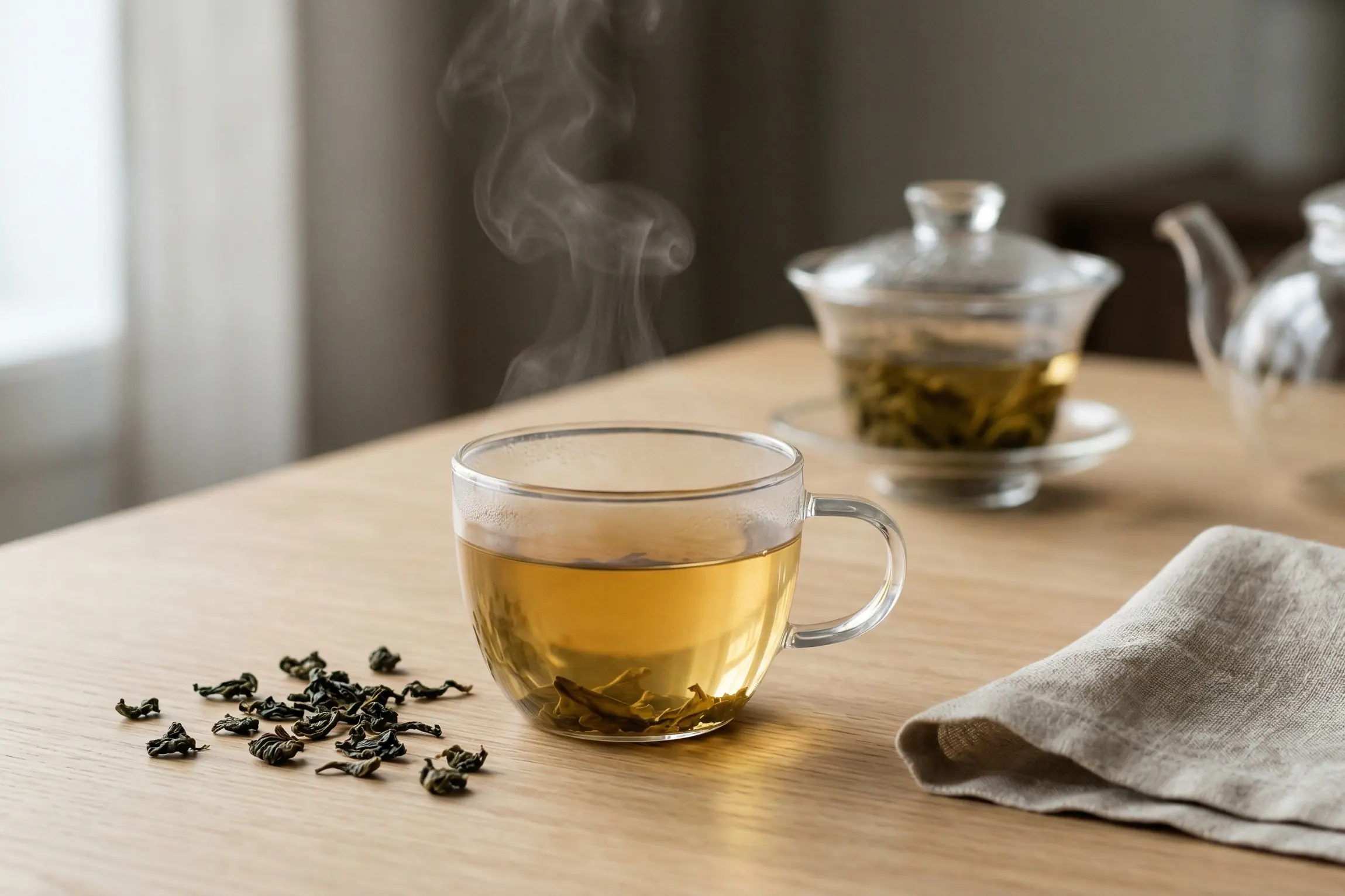
The flavor profile is soft, slightly toasted, and amber, with notes that may remind of dried fruits, soft honey, light wood, and discreet flowers, depending on the oolong used. The body is medium, the astringency is moderate, and the finish tends to be clean and persistent. If the water is too hot or the time exceeds the point, bitterness may increase and hide the natural elegance of the leaves.
When to prepare
It is a good option after lunch, in the mid-morning, or during the afternoon, especially when one desires a sugar-free drink with light caffeine and a more sophisticated profile. It also pairs well with work breaks, reading, or moments of quiet concentration. Avoid at night if there is caffeine sensitivity, sleep difficulty, or emotional tension. It should not be used as a body-result strategy or food compensation; the best use is as a sensory choice within a balanced routine.
Use notes
Oolong can contribute to a routine with less sugar when it replaces sodas, sweetened juices, very sweet dairy drinks, or heavily complemented coffees. Being a beverage with no significant calories when consumed plain, it can be part of more balanced choices throughout the day. Still, it does not guarantee body-result, body-result shortcut, meal pause, metabolic acceleration, or any body results. The safest benefit lies in the refined sensory experience, hydration, and moderate caffeine presence for those who tolerate it well. Sensitive individuals should monitor infusion times and intensity. The drink does not replace nutritional guidance, medical evaluation, balanced diet, adequate sleep, physical activity, medications, or professional care of health conditions.
Ingredients
- 1 teaspoon of oolong (leaves)
- 250 ml of hot water (approx. 85–90°C)
Preparation
- 1. Heat the water without letting it boil strongly.
- 2. Add the oolong and steep for 3 to 5 minutes.
- 3. Strain and serve.
Preparation tips
Do not use boiling water directly on the leaves. After the water heats, wait a few moments or use a temperature of approximately 85 to 90°C. Steep for 3 minutes for a lighter result or up to 5 minutes for more body. Strain completely to avoid the leaves continuing to extract and making the drink bitter. Use high-quality leaves and avoid sweetening on the first sip; oolong tends to reveal interesting nuances when drunk plain. If you want to reinfuse the leaves, make a shorter second infusion and observe the flavor. Sensitive individuals should prefer smaller portions.
Variations
For a milder version, use half a teaspoon of oolong or reduce the infusion to 2 to 3 minutes. For an iced version, prepare a slightly more concentrated infusion, strain, let cool, and serve with ice, without sweetening. For an elegant citrus touch, add a small strip of well-washed orange peel to the cup for 30 seconds. For a cozier profile, combine with a thin slice of apple during the infusion. Avoid mixing with too many spices or strong sweeteners, as they can overshadow the natural notes of oolong and turn a refined drink into something heavy.
Enjoy your tea
Care and observations
Adult use only. Contains caffeine; avoid at night if you are sensitive, have sleep difficulty, or experience restlessness. People with gastritis, reflux, emotional tension, hypertension, arrhythmias, caffeine sensitivity, pregnant or breastfeeding women, or those on stimulants and continuous medications should consume with caution and consult a healthcare professional before regular consumption. Avoid preparing too concentrated, drinking on an empty stomach if it causes discomfort, or using as a body-result strategy. Discontinue in case of palpitations, tremors, gastric irritation, dizziness, emotional tension, or any unusual reaction.