Tea Passion Zen
Quiet Night
About this recipe
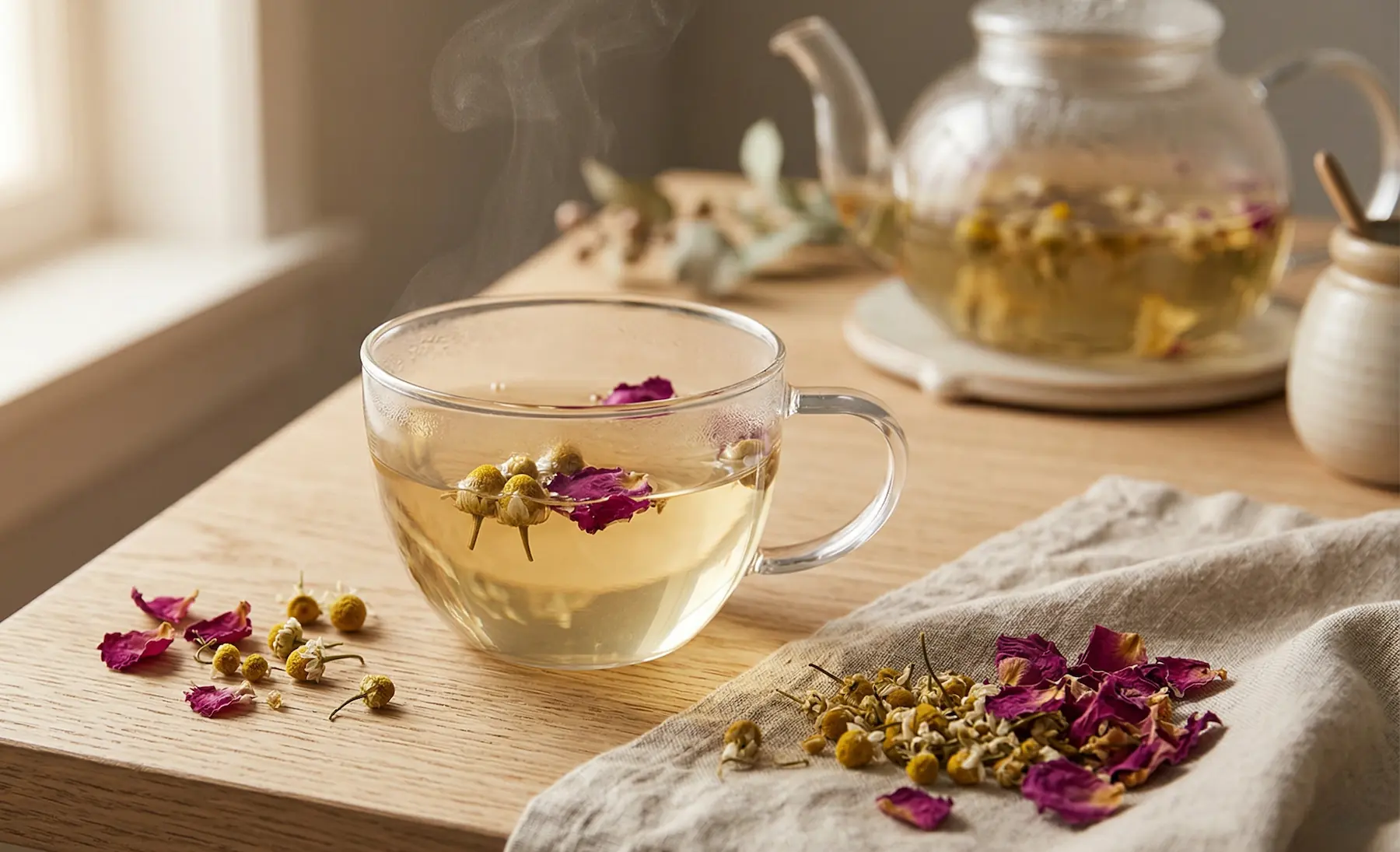
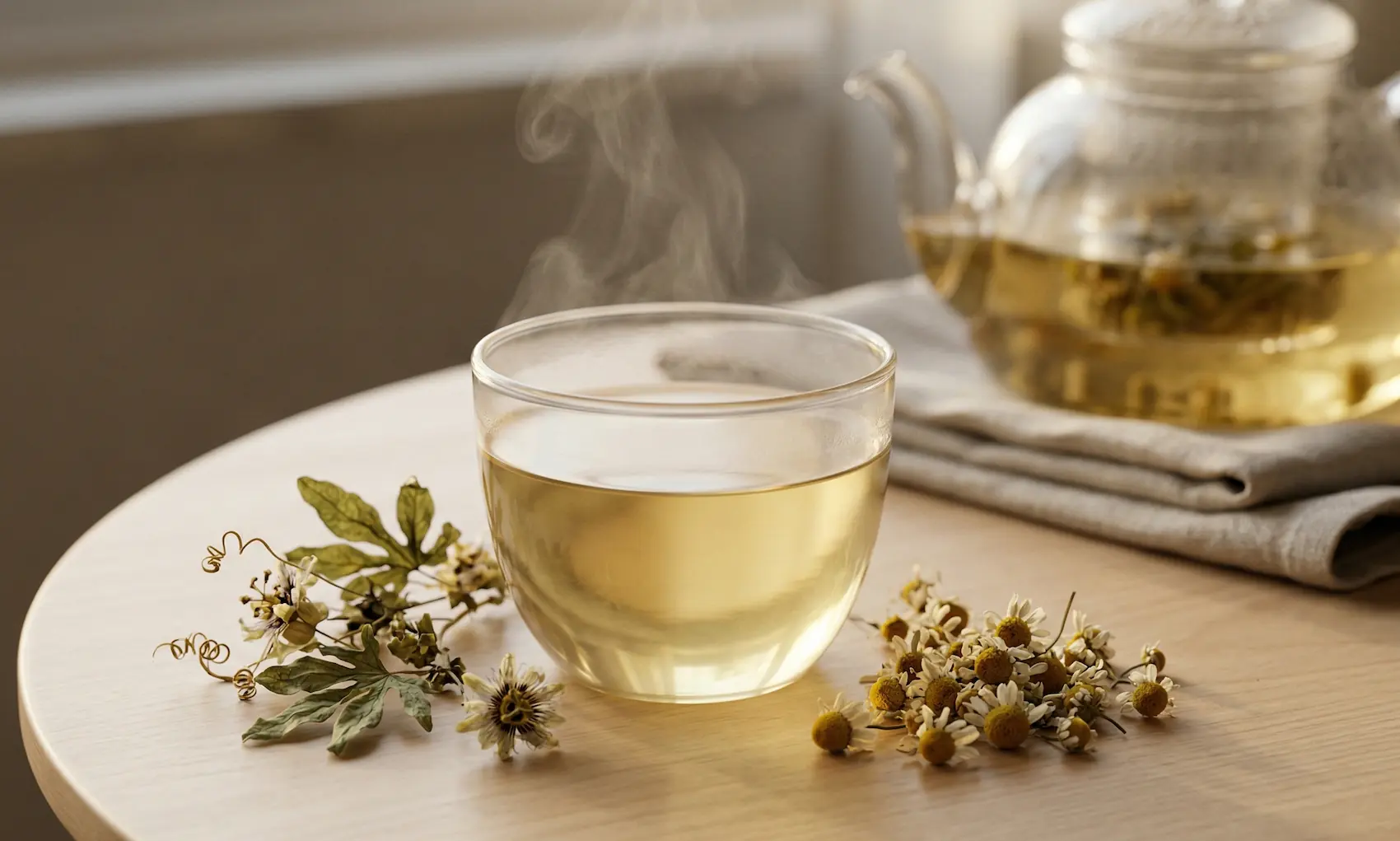
Passionflower Zen Tea is a classic end-of-day blend, made to transform the cup into a small ritual of slowing down. Passionflower brings a smooth herbal profile and subtly earthy notes; chamomile rounds it out with floral, soft, and slightly sweet notes. The result is a caffeine-free, warm, and comforting drink that pairs well with low light, light reading, warm baths, and a more tranquil nighttime routine. It is a recipe that speaks to rest but needs to be presented without medical promises. The calming category requires careful language. Passionflower and chamomile are traditionally used in pause infusions, but the tea should not promise to professional care emotional tension, clinical solution sleep difficulty, or replace medications. Sleep and emotional health involve many factors: schedules, screens, stress, nutrition, environment, routine, clinical conditions, and medication use. The drink can help create a restful setting, but it is not a solution for persistent suffering. If a person has emotional tension attacks, frequent sleep difficulty, intense sadness, panic, or disruption in their routine, the safe path is to seek professional guidance. Preparation should preserve the plants. It is not necessary to boil the passionflower and chamomile directly. Hot water, a covered container, and steeping for 8 to 10 minutes are sufficient to extract aroma and flavor. Drinking 30 to 60 minutes before sleeping can make sense as part of the ritual, provided the person observes their own tolerance. As it may cause drowsiness, it is not a drink to take before driving, studying intensely, or performing tasks that require attention. Sensorially, Passionflower Zen Tea is floral, herbal, and discreet. It does not have the impact of spices or acidity of fruits; its proposal is smoothness. In a premium curation, the recipe stands out when it combines warmth and responsibility: a beautiful tea for the night, with clear alerts about medications, alcohol, pregnancy, lactation, and drowsiness. It does not promise a perfect night, but it can help create a calmer start to it.
Summary
Blend of passionflower with chamomile, floral and smooth, designed for a nighttime ritual of slowing down with adult and responsible use.
Flavor profile
The flavor is herbal, floral, and slightly sweet in aroma, with a light body and smooth finish. Passionflower adds a gentle vegetal note, while chamomile brings a memory of light honey, dried apple, and delicate flower. The drink should not become bitter when the infusion is controlled. If steeped too long, it may gain a drier vegetal background.
When to prepare
It is best enjoyed at night, about 30 to 60 minutes before sleeping, as part of a calm and unhurried routine. It pairs well with light reading, low light, warm baths, or moments of silence. It should not be used before driving or performing tasks that require attention if it causes drowsiness. It should also not replace professional care for persistent emotional tension or sleep difficulty. In cases of frequent, intense, or debilitating symptoms, seek professional guidance.
Use notes
Passionflower with chamomile can compose a nighttime ritual of pause, with floral aroma, smooth flavor, and warm temperature, helping to create a more tranquil environment before rest. Passionflower is traditionally used in slowing down beverages, and chamomile adds floral softness, but the recipe should not be presented as professional care for emotional tension, sleep difficulty, stress, panic, or any emotional condition. The feeling of relaxation may vary among individuals and is not suggested. The safest benefit lies in the ritual, hydration, aroma, and slowing down before sleep. It does not replace sleep hygiene, therapy, medical evaluation, medications, professional care, or professional follow-up when symptoms are persistent or intense.
Ingredients
- 1 teaspoon of passionflower (dried leaves/flowers)
- 1 teaspoon of chamomile
- 300 ml of hot water
Preparation
- 1. Add the passionflower and chamomile to the cup.
- 2. Pour in the hot water and cover for 8 to 10 minutes.
- 3. Strain and drink warm, about 30 to 60 minutes before sleeping, if well tolerated.
Preparation tips
Use passionflower and chamomile suitable for infusion, from a reliable supplier. Pour hot water over the herbs, cover, and let steep for 8 to 10 minutes. Strain well before drinking. For a milder version, use half a teaspoon of passionflower or reduce the time to 6 minutes. Avoid mixing with alcohol, sedatives, or other very specific-use herbs without professional guidance. Do not make the drink too concentrated in hopes of faster sleep. Serve warm, not scalding, and observe how your body reacts.
Variations
For a more floral version, slightly increase the chamomile and reduce the passionflower. For a softer drink, add a thin slice of apple or pear during steeping. For a cozier aroma, a small strip of well-washed orange peel can be added in the final minute before straining. On hot days, prepare it milder, strain, cool, and serve without excessive ice. Avoid combining with valerian, kava, alcohol, or specific-use supplements without professional guidance, as the combination may increase drowsiness and risks.
Enjoy your tea
Care and observations
Adult use only. May cause drowsiness in some individuals; avoid driving, operating machinery, or performing activities that require attention after consumption if this effect is noticed. Do not mix with alcohol, sedatives, anxiolytics, antidepressants, sleep aids, or other medications that cause drowsiness without professional guidance. Pregnant or breastfeeding individuals, those with chronic illnesses, allergies to chamomile or plants in the Asteraceae family, those on continuous medications, or with a history of reactions to calming plants should consult a professional before regular consumption. If sleep difficulty, emotional tension, sadness, panic attacks, or emotional distress are frequent, seek health guidance.