Tea Alpha Calm
The Queen of Tranquility
About this recipe
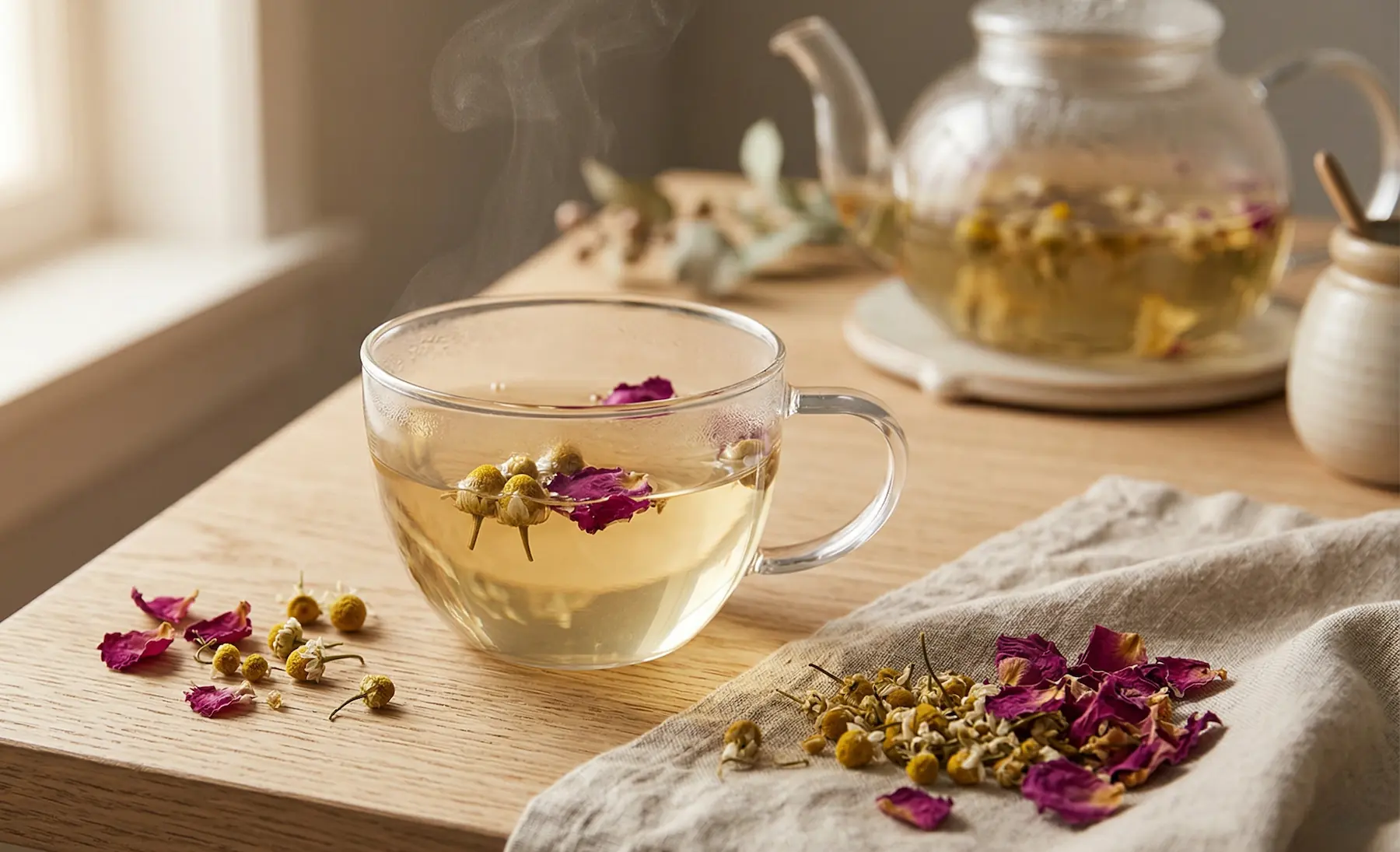
Chamomile Hug Tea is one of those infusions that seem to be born to slow down the pace of the home. It doesn't require many ingredients or a complex composition to deliver presence: just the delicacy of the dried flowers, water at the right temperature, and a few minutes of well-conducted infusion. The purpose of this recipe is to value chamomile as a culinary and sensory ingredient, with its soft perfume, light golden color, and floral flavor that crosses the cup without aggression. It is a simple tea, but not superficial. When prepared with care, it gains a light texture, an enveloping aroma, and a sense of comfort that pairs well with moments of pause, reading, quiet conversation, or ending the day. Chamomile is a well-known herb in domestic use, especially for appearing in rituals of rest and nighttime beverages. Still, it is important to professional care this fame responsibly. This recipe does not promise immediate sleep, does not replace health care, and should not be understood as a solution for emotional tension, sleep difficulty, pain, or any clinical condition. The value of the preparation lies in offering a caffeine-free, aromatic, and comforting drink, capable of being part of a gentler routine. Often, the very act of heating the water, covering the cup, waiting for the infusion, and drinking slowly already creates a real pause in the day. This ritual dimension is an important part of the experience. The secret to a good result is not professional care chamomile as an herb that needs to be boiled vigorously. The flowers are delicate and respond better to hot water off the heat, with the cup covered to preserve the aromatic compounds. A well-made infusion tends to be clear, fragrant, and elegant, without a dull taste or unnecessary bitterness. The time of 8 to 10 minutes helps to extract aroma and body without making the drink heavy. Served warm, it approaches an afternoon or evening tea; served at room temperature, it remains pleasant, especially for those who prefer milder beverages. This is a preparation for those seeking a low-intensity cup, with floral personality and a sense of coziness. It works well on its own, without sugar, but also accepts small culinary variations when the intention is to change the aromatic profile. The most important thing is to maintain simplicity: good quality chamomile, clean water, correct timing, and listening to your own body. In a wellness routine, Chamomile Hug Tea occupies the place of an invitation: to pause a little, breathe better, drink something light, and transform a common moment into a possible care.
Summary
Floral chamomile infusion, gentle and comforting, ideal for creating a routine of pause, hydration, and rest with a delicate flavor.
Flavor profile
The flavor profile is floral, soft, and lightly sweetened naturally, with an aroma reminiscent of dried flowers, gentle honey, and fresh fields. The body is light, the persistence is delicate, and the mouthfeel tends to be rounded, without marked acidity. When the infusion oversteeps, a subtle bitterness may arise; therefore, controlled timing is essential to maintain balance.
When to prepare
It is a good option for late afternoon, evening, or moments when the intention is to swap stimulating beverages for something calmer and caffeine-free. It pairs well with reading, warm baths, a break after work, pre-sleep routines, or a quiet interval between tasks. It can also be consumed after light meals, as long as the person tolerates chamomile well. Avoid associating the drink with promises of sleep or therapeutic effects: the best use is as part of a tranquil hydration and rest ritual.
Use notes
Chamomile may contribute to a more serene pause routine due to its floral aroma, delicate flavor, and the presence of plant compounds naturally found in the flowers. The drink should not be presented as a professional care for emotional tension, sleep difficulty, pain, or any clinical condition, but it can offer a comforting sensory experience, especially when consumed warm, in a calm and unhurried environment. It also helps to compose daily hydration with a caffeine-free option, light and traditionally enjoyed at the end of the day. Sensitive individuals should observe their individual tolerance, and consumption does not replace diagnosis, professional care, medication, psychological support, medical guidance, or professional evaluation in the face of persistent symptoms.
Ingredients
- 2 tablespoons of dried chamomile flowers
- 250 ml of hot water
Preparation
- 1. Heat the water until just before boiling.
- 2. Turn off the heat and add the dried chamomile flowers.
- 3. Cover for 8 to 10 minutes.
- 4. Strain and drink warm, preferably during a quiet moment of the day.
Preparation tips
Use hot water, but avoid keeping the flowers boiling on the heat. Chamomile is delicate, and direct boiling can make the flavor harsher, as well as reduce the aromatic elegance of the infusion. After heating the water, turn off the heat, add the flowers, and cover the cup or teapot. This covering helps preserve the floral perfume. Strain carefully after 8 to 10 minutes. For a lighter tea, use 1 tablespoon; for a more pronounced cup, keep the 2 tablespoons, but do not increase the time too much. Prefer dried flowers of good quality, with preserved color and aroma. If you want to drink at night, serve warm, not too hot, to make the experience more comfortable.
Variations
For a milder version, reduce chamomile to 1 tablespoon and keep the same volume of water. For a more aromatic version, add a small strip of well-washed apple peel during the infusion, removing it along with the flowers when straining. It is also possible to add a drop of honey after the tea is warm, if it makes sense for the palate, avoiding excessive sweetening to not overshadow the floral delicacy. On hot days, prepare the infusion normally, strain, let it cool, and refrigerate for a few hours; serve with ice and a thin slice of apple. Avoid mixing too many strong ingredients, such as intense spices, as they can overpower the chamomile.
Enjoy your tea

Care and observations
Adult use only. People with allergies to plants in the Asteraceae family, such as daisies, chrysanthemums, arnica, and ragweed, should avoid or use only under professional guidance. Pregnant or breastfeeding individuals, and those on continuous medication, especially sedatives, anticoagulants, or medications that cause drowsiness, should consult a healthcare professional before frequent consumption. Start with small amounts to observe tolerance. If excessive drowsiness, discomfort, allergic reaction, or persistent symptoms occur, discontinue use and seek professional evaluation.