Tea Orchard Green
Tropical color Ritual
About this recipe
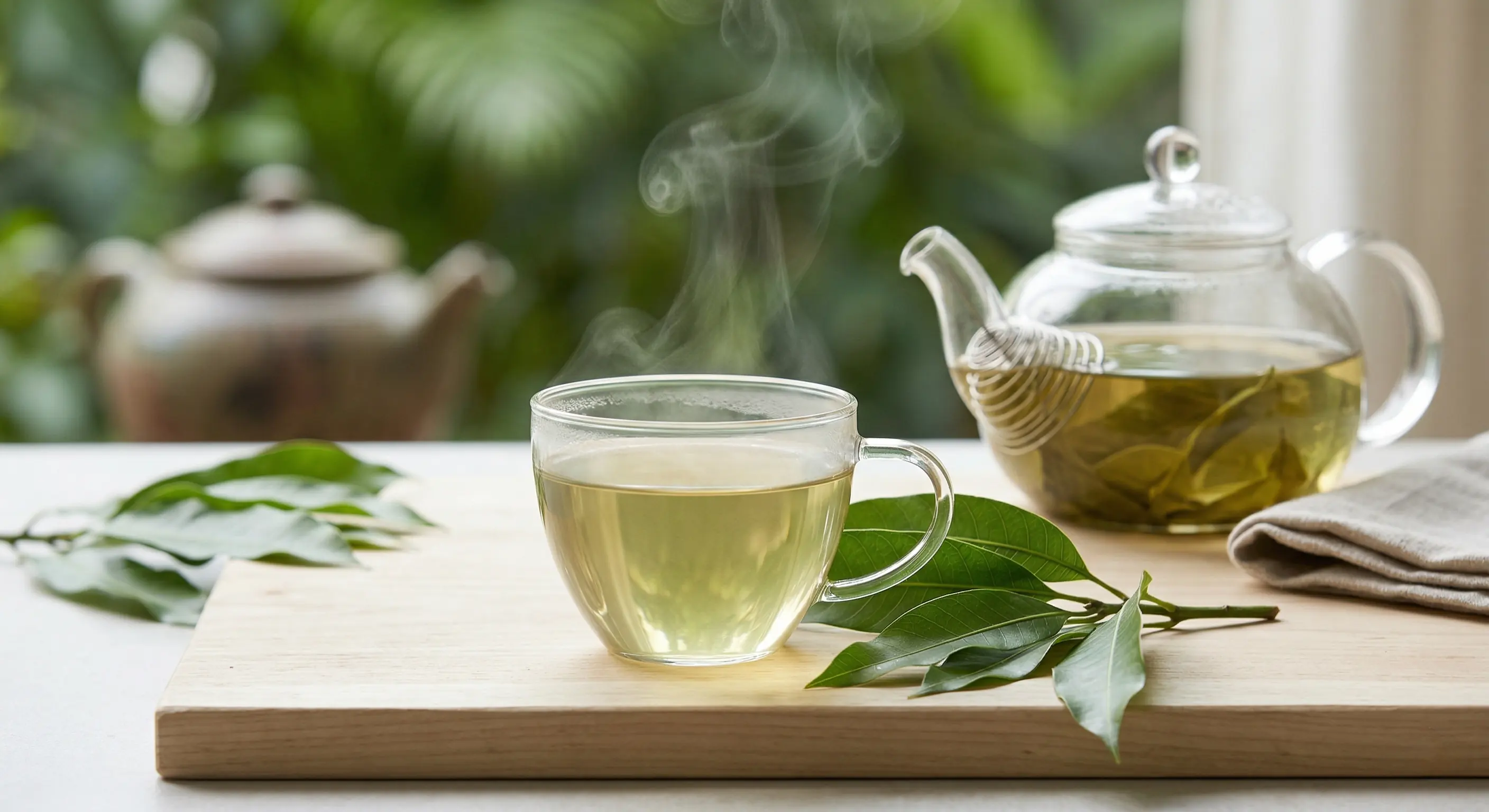
The Orchard Green Tea is a recipe with a tropical atmosphere, with the smell of a backyard and the simplicity of fresh leaves. Made with well-identified and carefully sanitized mango leaves, it proposes a green, light, and vegetal cup, more connected to the homemade experience than to a color promise. It is a drink that carries the memory of an orchard, the shade of a tree, and domestic preparation, but it needs to be professional care with caution. Not every leaf of a fruit-bearing plant should be consumed freely, and the origin is an essential part of safety. The original recipe already indicated that the evidence for routine use is limited, and this caution should remain in the final text. Mango leaf tea should not be presented as freshness, personal care professional care, sugar control, clinical, or color resource. The best framing is sensory and occasional: a traditional, adult infusion made with reliable leaves for those who wish to experience a light and discreet green flavor. This honesty is especially important in a color category, where exaggerated promises can sound appealing but are not safe. Another relevant point is the risk of sensitivity. Some individuals react to contact with mango personal care, leaves, or peel, with irritation, itching, or discomfort. Those who have had a reaction when handling mango or its external parts should avoid the drink. The leaves need to be intact, free of mold, suspicious stains, pesticide residues, and away from contaminated areas. Hygiene should be careful, leaf by leaf. Consumption should be adult, occasional, and moderate. Sensorially, the Orchard Green Tea is mild, vegetal, and lightly astringent. It is not sweet like ripe mango, nor fragrant like the fruit's pulp. The experience is closer to green leaves and backyard tea. It can be served warm on mild days or at room temperature, as long as prepared on the same day. In a premium curation, this recipe is only ready when it acknowledges its limits: beautiful in its simplicity, interesting for its tropical identity, and safe for not promising what it should not.
Summary
Mango leaf tea with a green and homemade profile, indicated for occasional adult use, with attention to origin and individual tolerance.
Flavor profile
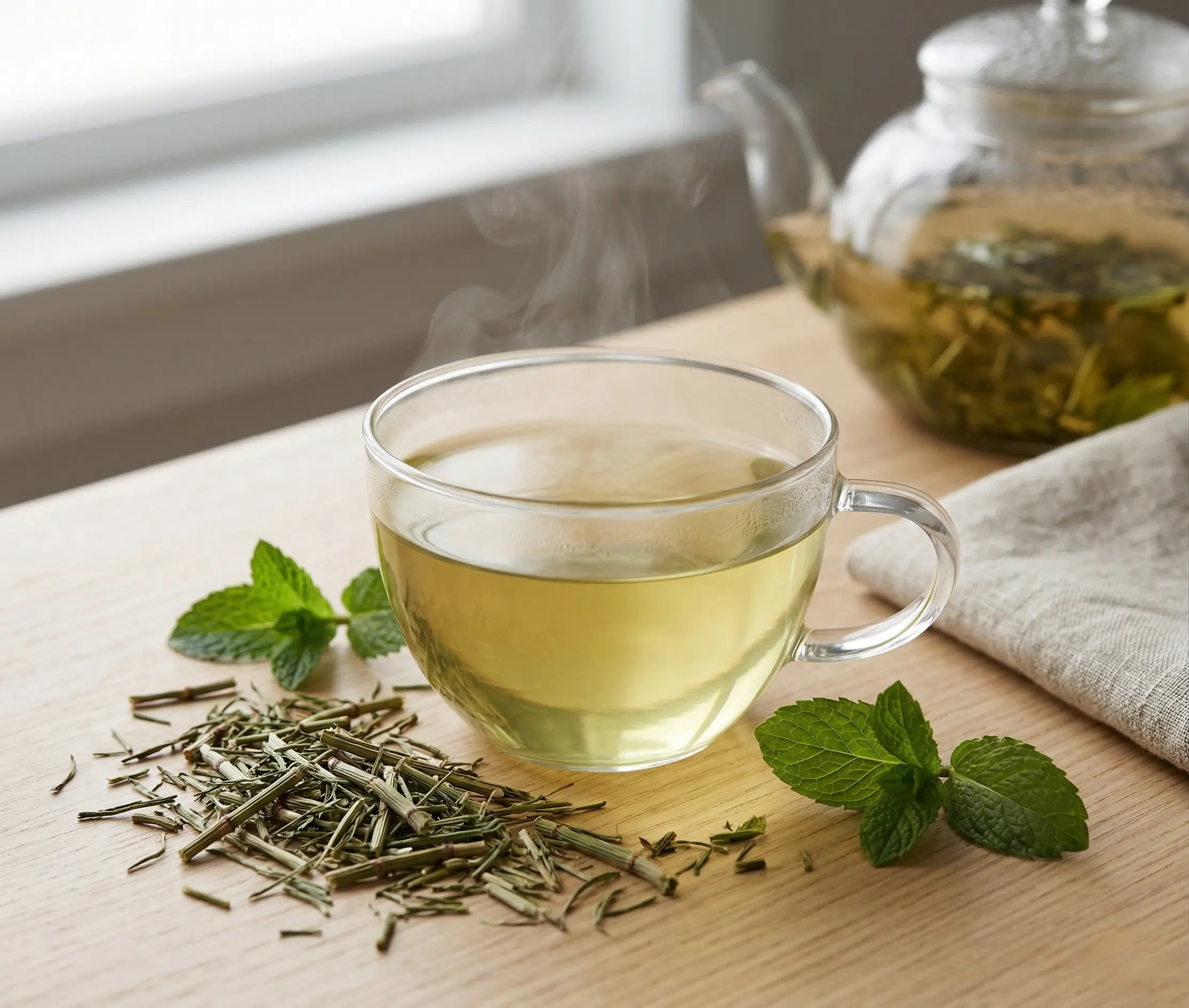
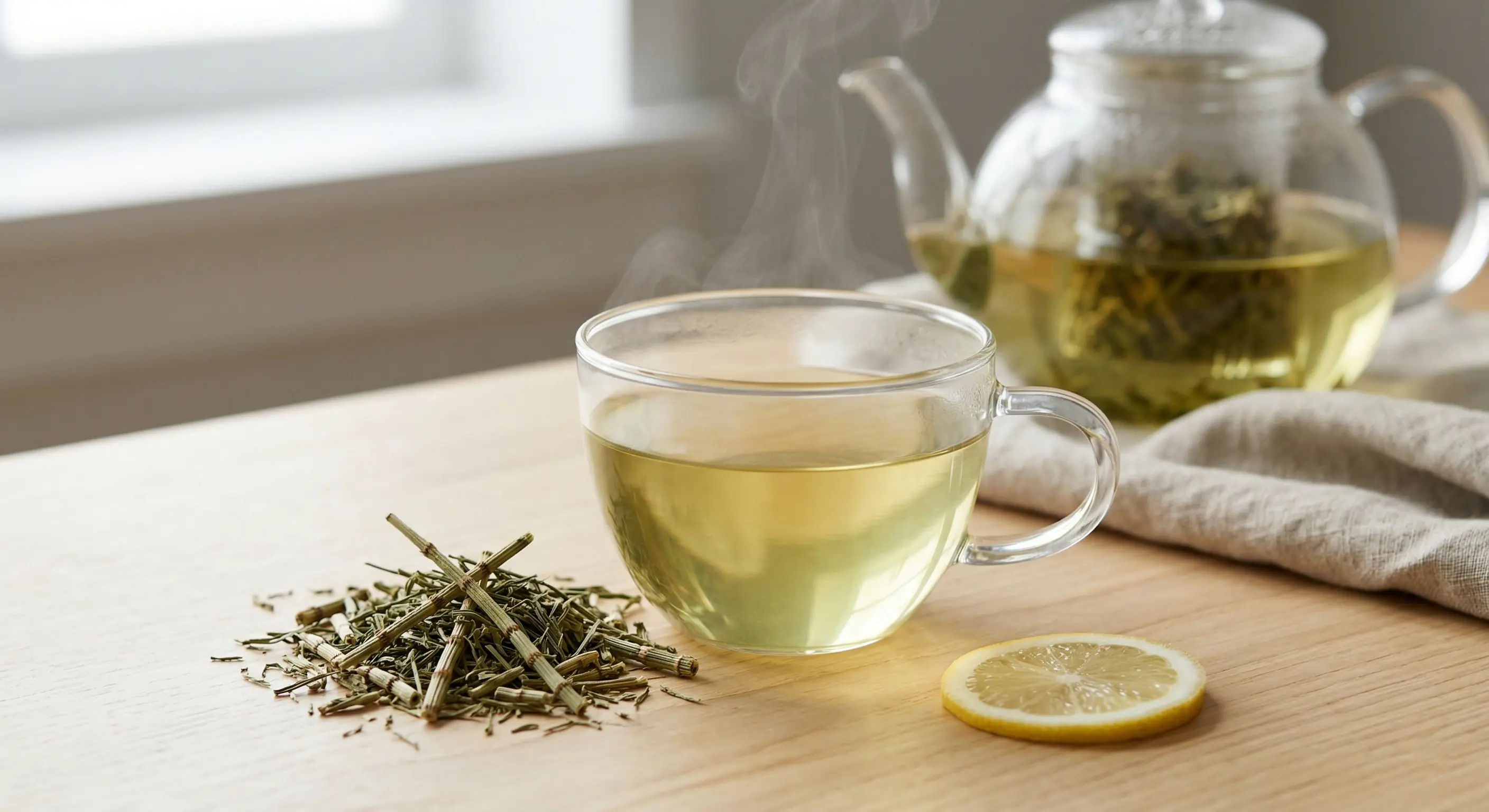
The flavor is green, vegetal, and lightly astringent, with a light body and discreet finish. It does not resemble the sweetness of ripe mango; the leaf delivers a drier, backyard, and soft grassy profile. The drink can gain a more bitter note if the leaves are boiled for too long or if they are old. When well prepared, it remains simple, clear, and moderately herbal.
When to prepare
It can be consumed occasionally during the day, especially in the late morning or afternoon, as a warm and homemade drink. It pairs well with quiet breaks, moments of relaxation in the backyard, or a sugar-free hydration routine. It should not be used as a color strategy, freshness, body-result, or professional care. Individuals with a history of mango allergy, pregnant or breastfeeding women, or medication users should avoid it without professional guidance.
Use notes
Mango leaf tea should be professional care as a traditional preparation for occasional use, with limited evidence for routine consumption. In a safe approach, it can contribute to hydration and a backyard sensory experience, with a light green and vegetal flavor. However, it should not be presented as a color strategy, freshness, personal care professional care, glucose control, inflammation reduction, body-result, or any clinical effect. The safest benefit lies in the ritual, the careful use of well-identified leaves, and the variety of homemade sugar-free beverages. Individuals with allergies, pregnancy, lactation, chronic diseases, or those on medication should seek professional guidance. The drink does not replace diagnosis, professional care, medications, nutritional follow-up, dermatological care, or medical evaluation.
Ingredients
- 5 to 6 mango leaves (well washed and from a reliable source)
- 500 ml of water
Preparation
- 1. Place the water and mango leaves on the heat.
- 2. Boil for 5 minutes on low heat.
- 3. Turn off and let steep for 10 minutes.
- 4. Strain and serve warm.
Preparation tips
Use only well-identified mango leaves from a reliable tree and without contact with pesticides or pollution. Wash each leaf under running water and discard stained, moldy, yellowed leaves or those showing signs of pests. Boil for only 5 minutes on low heat and then let steep for 10 minutes. Strain well before serving. To test tolerance, start with half the amount of leaves. Do not prepare large volumes for several days; prefer consumption on the same day. Suspend immediately if there is itching, irritation in the mouth, nausea, or malaise.
Variations
For a milder version, use 2 to 3 leaves in 500 ml of water and keep the boiling short. For a more pleasant aroma, add a small strip of well-washed orange peel only during the final steeping, removing it when straining. To serve on hot days, prepare weaker, strain, let cool, and consume on the same day. Avoid mixing with other backyard leaves without guidance, as this increases the risk of misidentification and reactions. Also, avoid over-sweetening or adding ingredients with freshness promises, keeping the recipe simple and prudent.
Enjoy your tea
Care and observations
For adult and occasional use. Mango leaves, peels, and personal care can cause allergies or dermatitis in sensitive individuals, including itching, personal care irritation, mouth, or throat. If you have ever had a reaction when handling mango, peel, or leaves, avoid it. Use only well-identified, intact leaves from reliable sources, free of pesticides, mold, and well sanitized. Avoid prolonged continuous use. Not recommended for pregnant or breastfeeding women, children, teenagers, individuals with significant allergies, chronic diseases, or those on continuous medication without professional guidance. Suspend and seek guidance if there is nausea, abdominal pain, itching, swelling, irritation, shortness of breath, or any sign of allergy.