Tea Grape Sapphire
Deep Purple, Antioxidant
About this recipe
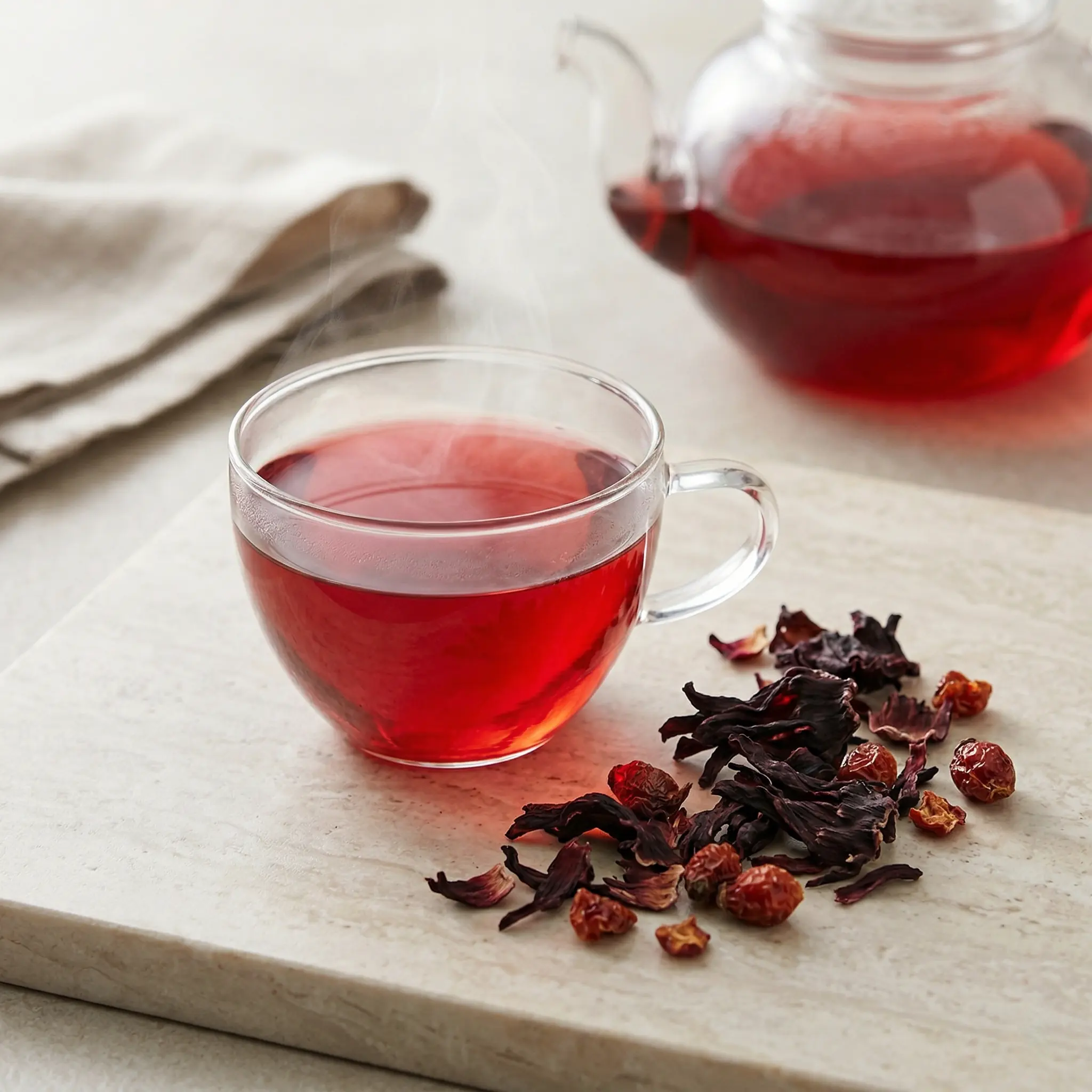
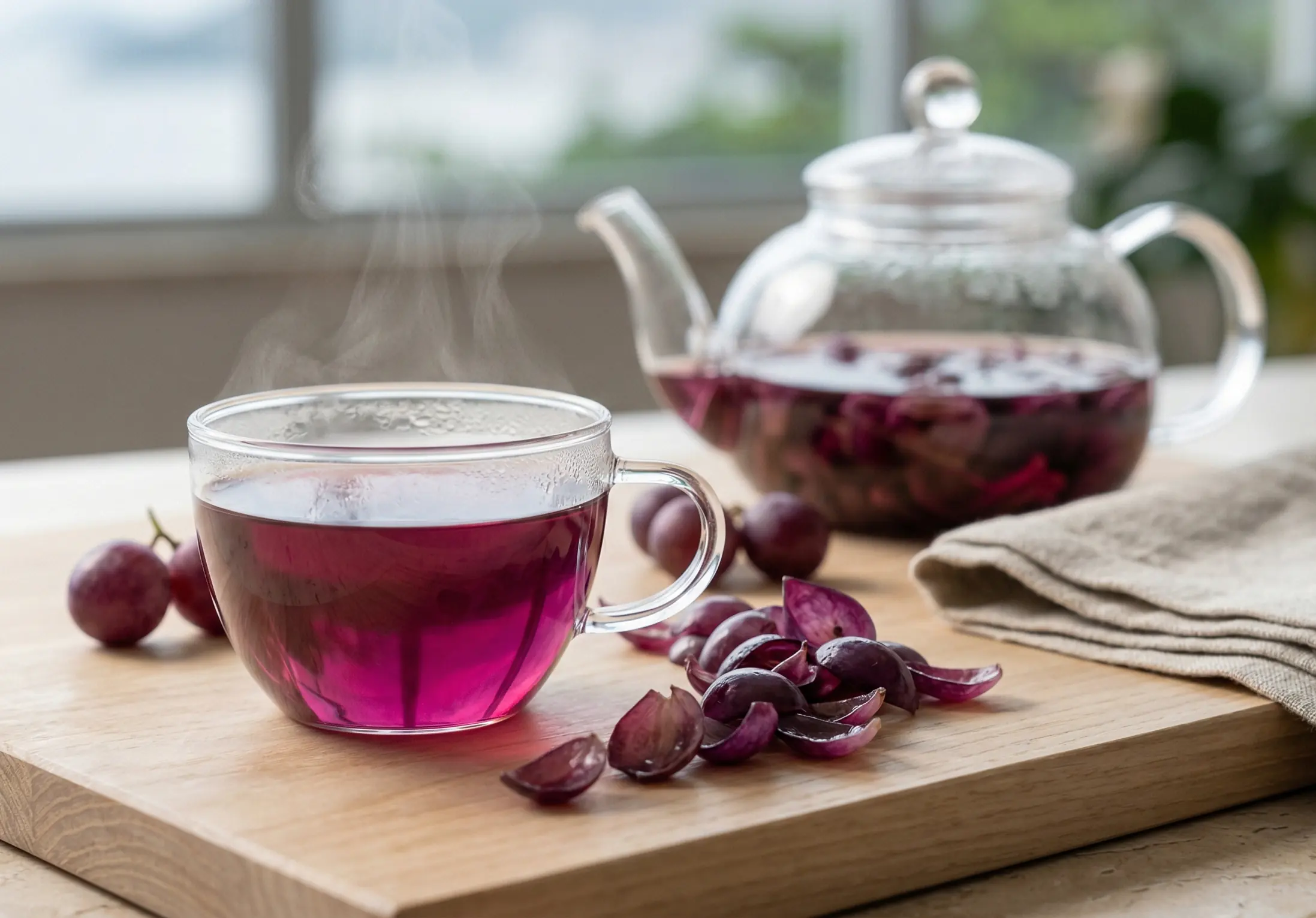
The Purple Grape Sapphire Tea is a visually striking infusion made from a part of the fruit that often goes unnoticed: the peel. It is where much of the deep color of the purple grape is concentrated, and when these peels come into contact with hot water, the drink takes on an elegant hue, between dark ruby and soft violet. The aim of the recipe is to transform this simple ingredient into a cup with a refined appearance, fruity flavor, light astringency, and a delicate scent of ripe fruit. Despite the intense color and color appeal, the recipe needs to be presented responsibly. Purple grapes are an interesting fruit from a culinary and sensory perspective, but the tea made from their peels should not be sold as a solution for personal care, freshness, inflammation, rejuvenation, or any aesthetic result. The body does not need teas to does not address toxins, and the appearance of the personal care depends on many factors, such as diet, sleep, hydration, sun protection, genetics, topical care, and professional follow-up when necessary. The value of this drink lies elsewhere: in hydration, in the full use of the food, in the beautiful color, and in the pleasure of drinking something homemade and well-prepared. The hygiene step is essential. Since the peel is the protagonist, the grapes must be washed carefully before preparation, preferably from a reliable source. Bruised, moldy, or fermented fruits should be discarded, as they can compromise flavor and safety. Cooking should be brief and controlled. Ten minutes on low heat is sufficient to extract color and aroma without making the tea excessively astringent. Afterward, the covered resting helps integrate the flavor before straining. Sensorially, the Purple Grape Sapphire Tea is delicate and expressive at the same time. It does not have the intense sweetness of grape juice, but carries a fruity background, a hint of peel, and an elegant dryness at the end. It can be served warm, as an afternoon drink, or chilled, as a colorful infusion for hot days. In a premium curation, its strength lies in the visual, simplicity, and honesty: a beautiful, safe recipe, sugar-free and without exaggerated promises.
Summary
Purple grape peel tea, fruity and delicately astringent, ideal for a colorful hydration ritual without aesthetic promises.
Flavor profile
The flavor is fruity, delicately astringent, and lightly sweet in a natural way, with a light to medium body. The purple grape peels bring notes of dark fruit, fresh peel, and a dry finish, similar to some tannin-rich infusions. The drink is not as sweet as grape juice; its elegance lies in the intense color, subtle aroma, and fruity persistence.
When to prepare
It can be consumed in the afternoon, mid-morning, or after light meals, especially when one desires a beautiful, caffeine-free, and sugar-free drink. Chilled, it works well on hot days as a homemade alternative to sweetened refreshers. Warm, it pairs well with reading breaks, self-care, and relaxation. It should not be used as a strategy for personal care, freshness, or body-result. People with gastric sensitivity should observe their tolerance to the lightly astringent profile.
Use notes
Purple grape peels can offer a naturally colorful, fruity drink rich in plant compounds associated with the dark pigmentation of the fruit. This characteristic makes the infusion beautiful, aromatic, and interesting for a more varied hydration routine. However, the recipe should not be presented as a professional care for personal care, aging, inflammation, fluid retention, toxin elimination, or any aesthetic or clinical condition. The safest benefit lies in the culinary use of the fruit, the sensory experience, the deep color, and the possibility of replacing sweetened beverages with a homemade sugar-free option. It does not replace a balanced diet, dermatological care, sun protection, medical evaluation, medications, professional care, or professional guidance in case of symptoms or health conditions.
Ingredients
- Peels from 15 well-washed purple grapes (or the peels from 1 small bunch)
- 450 ml of water
Preparation
- 1. Boil the water.
- 2. Add the purple grape peels and simmer on low heat for 8 to 10 minutes.
- 3. Turn off, cover, and let steep for 5 minutes.
- 4. Strain and serve warm.
Preparation tips
Wash the grapes very well before peeling, as the outer part of the fruit will be used in preparation. Prefer grapes from reliable sources and discard any with mold, fermentation smell, or soft parts. Cook the peels on low heat for 8 to 10 minutes; prolonged boiling can increase astringency and make the drink harsh. After turning off, cover for 5 minutes to complete the color extraction. Strain with a fine sieve. For a milder version, use fewer peels or increase the water volume. Avoid sweetening before tasting.
Variations
For a milder version, use the peels of 8 to 10 grapes in 450 ml of water. For a chilled version, prepare normally, strain, let cool, and refrigerate; serve with ice and a few well-washed grapes just as a visual element. For a more citrus aroma, add a small strip of orange peel during the final resting, removing it before serving. For a cozier cup, add a thin slice of apple during the steeping. Avoid mixing with very strong spices, such as excessive clove, as they can overshadow the delicate flavor of the grape.
Enjoy your tea
Care and observations
For adult and occasional use. Wash the grapes very well before peeling and prefer fruits from reliable sources, free of pesticide residues. Discard moldy, fermented, bruised grapes or those with altered odors. People with diabetes should avoid sweetening or use sweeteners only with proper guidance for their dietary routine. People with gastritis, reflux, or sensitivity to tannin-rich beverages may prefer a weaker version. Pregnant or breastfeeding women, individuals with chronic diseases, allergies, or those on continuous medication should consult a health professional before regular consumption. Do not use as a freshness strategy, personal care professional care, or substitute for medical care.