Tea Deep Mulungu
The Brazilian specific-use
About this recipe
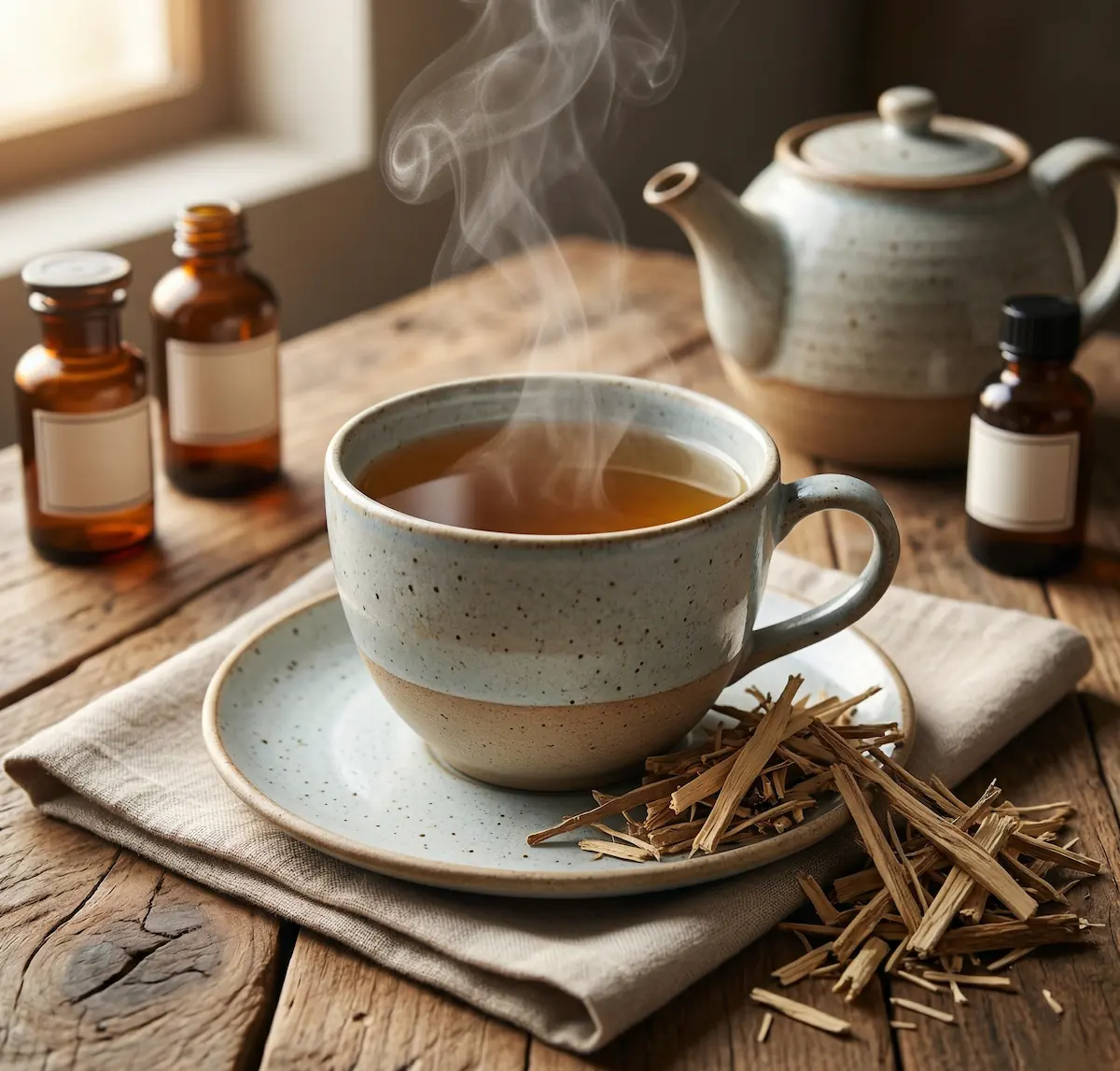
Deep Calm Tea is a decoction of mulungu, a Brazilian bark known in traditional uses linked to deceleration. It is a drink with a serious personality, more intense than a common chamomile or lemon balm. The low-heat preparation extracts a woody, slightly bitter cup with a marked presence, suitable for adults who already understand the need for moderation. The name suggests depth, but communication must be careful: mulungu should not be professional care as a simple solution for emotional tension, sleep difficulty, or emotional distress. Due to its traditionally specific-use profile, mulungu requires clear alerts. It may cause drowsiness, slowness, dizziness, or interaction with alcohol and medications that act on the nervous system. Therefore, it does not combine with driving, machinery, intense studying, or risky activities. It should also not be mixed with sedatives, anxiolytics, antidepressants, sleep aids, or alcoholic beverages without professional guidance. People with chronic diseases, using many medications, pregnant, nursing, or with neurological conditions need evaluation before use. The preparation should be moderate and punctual. As it is bark, the decoction makes sense: water, mulungu, and low heat for about 10 minutes. Then, a brief rest and careful straining. The original recipe with 500 ml can be divided into small doses, observing individual response. It is not a drink for continuous and prolonged use as a daily routine without monitoring. Short cycles, pauses, and caution are essential. Sensorially, Deep Calm Tea combines with the end of the day, retreat, low light, and rest, but only when the person will not need to drive or perform important tasks. In a premium curation, its strength lies in honesty: it is a plant of Brazilian tradition, with a strong character and a need for respect. The text should welcome but also protect. A calming tea does not need to promise evening pause; it needs to guide safe use.
Summary
Decoction of mulungu for adult use, traditionally associated with relaxation, with moderate preparation, short cycles, and caution regarding drowsiness.
Flavor profile
The flavor is woody, herbal, slightly bitter, and earthy, with a medium body and dry finish. The mulungu bark brings a sensation of apothecary, wood, and root tea, without marked natural sweetness. The persistence is moderate and more rustic than floral. If the decoction becomes too concentrated, it can become bitter, heavy, and less pleasant to the palate.
When to prepare
It is more suitable for the end of the day or moments of retreat, when the person will not need to drive, work, study intensely, or operate machinery. It can accompany a calm nighttime routine, with low light and rest. It should not be used as professional care for emotional tension, sleep difficulty, palpitations, or emotional distress. If symptoms are frequent, intense, or persistent, seek professional guidance. Avoid prolonged daily use without monitoring.
Use notes
Mulungu is a bark traditionally used in Brazilian preparations associated with rest and deceleration, but it must be presented with great responsibility. This decoction can offer a deep pause experience for some people, mainly due to the warm ritual, woody flavor, and its tradition of adult use. However, it should not be described as a professional care for emotional tension, sleep difficulty, muscle tension, palpitations, PMS, depression, or any clinical condition. It may cause drowsiness and interact with medications or alcohol, thus requiring caution. The safest benefit lies in the ritual of retreat and in informed, moderate, and punctual use. It does not replace therapy, diagnosis, medical professional care, medications, sleep hygiene, psychological support, or professional evaluation.
Ingredients
- 2 tablespoons of mulungu bark
- 500 ml of water
Preparation
- 1. Boil the water with the mulungu bark for 10 minutes over low heat.
- 2. Turn off and let it rest for another 5 minutes.
- 3. Strain well.
- 4. Drink throughout the day in 2 small doses, as tolerated, avoiding driving or operating machinery if drowsiness occurs.
Preparation tips
Use mulungu bark from a reliable and well-identified supplier. As it is bark, prepare by decoction: boil over low heat for 10 minutes, turn off, and let rest for 5 minutes. Strain well. Start with a small portion to observe drowsiness and tolerance. Do not mix with alcohol, sedatives, or other calming agents. Do not increase the dose seeking a stronger effect. If you feel dizziness, excessive drowsiness, or discomfort, suspend use. Prepare for consumption on the same day and avoid continuous use for long periods without professional guidance.
Variations
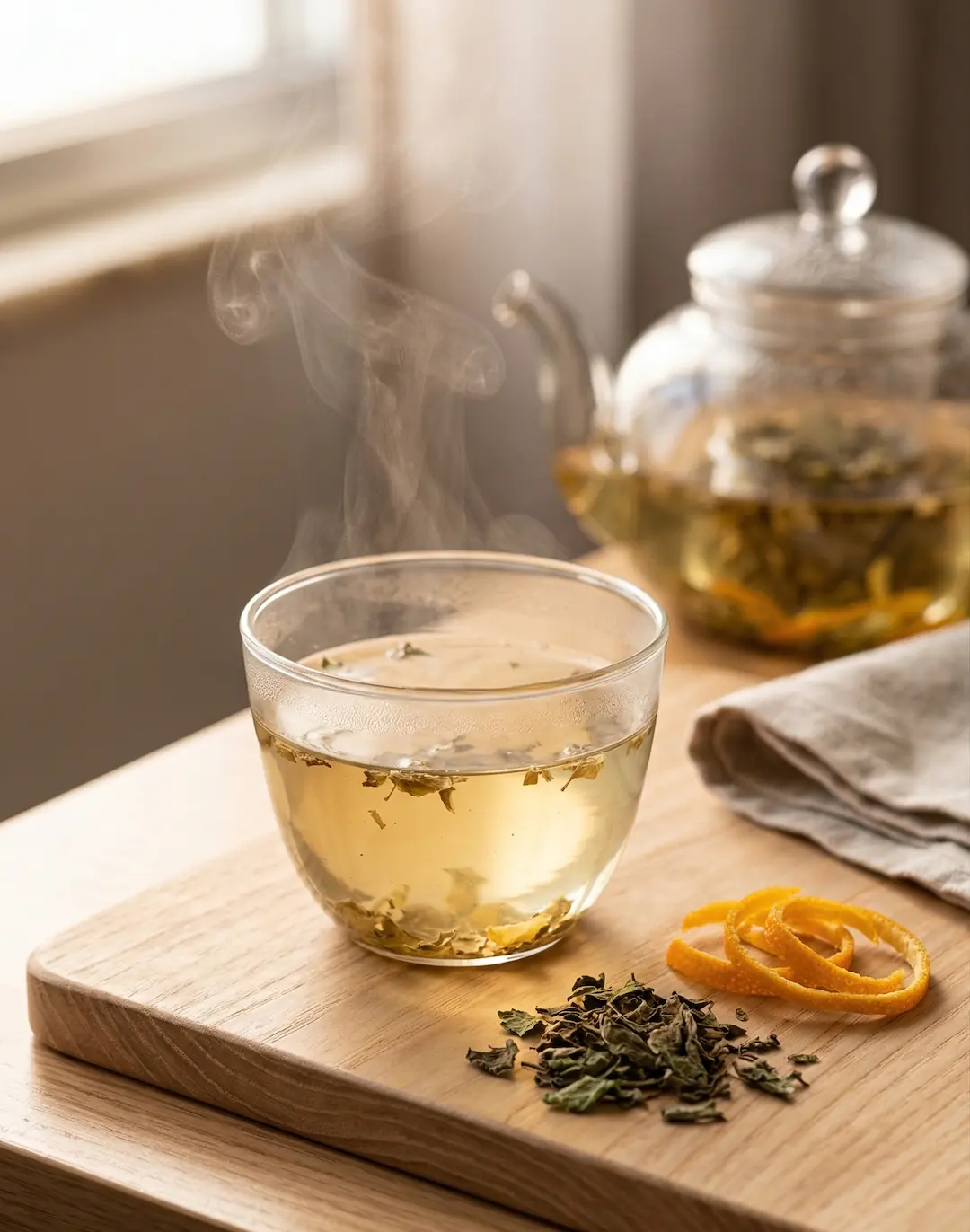
For a milder version, use half the amount of bark in 500 ml of water and observe tolerance. To enhance the aroma without intensifying too much, add a thin slice of apple during the final resting period. For a more comforting profile, a small strip of well-washed orange peel can be added for 1 minute before straining. Avoid mixing with valerian, passionflower, kava, alcohol, sedatives, or other strong calming profile ingredients without professional guidance. Also, avoid excessive sweetening; if necessary, use a little sweetness just to soften the bitterness.
Enjoy your tea
Care and observations
Adult use. Mulungu may cause drowsiness and should be used with caution, for short periods and without excess. Avoid concurrent use with alcohol, sedatives, anxiolytics, antidepressants, sleep aids, muscle relaxants, or medications that cause drowsiness without professional evaluation. Do not drive, operate machinery, or engage in risky activities if drowsiness, dizziness, or slowness occurs. Pregnant women, nursing mothers, children, people with liver, kidney, heart, neurological diseases, low blood pressure, significant depression, multiple medications, or chronic conditions should consult a doctor before use. Do not use as professional care for emotional tension, sleep difficulty, palpitations, PMS, or emotional distress. If symptoms are frequent, intense, or persistent, seek health guidance.