Tea Classic Serenity
Soft Natural Calm
About this recipe
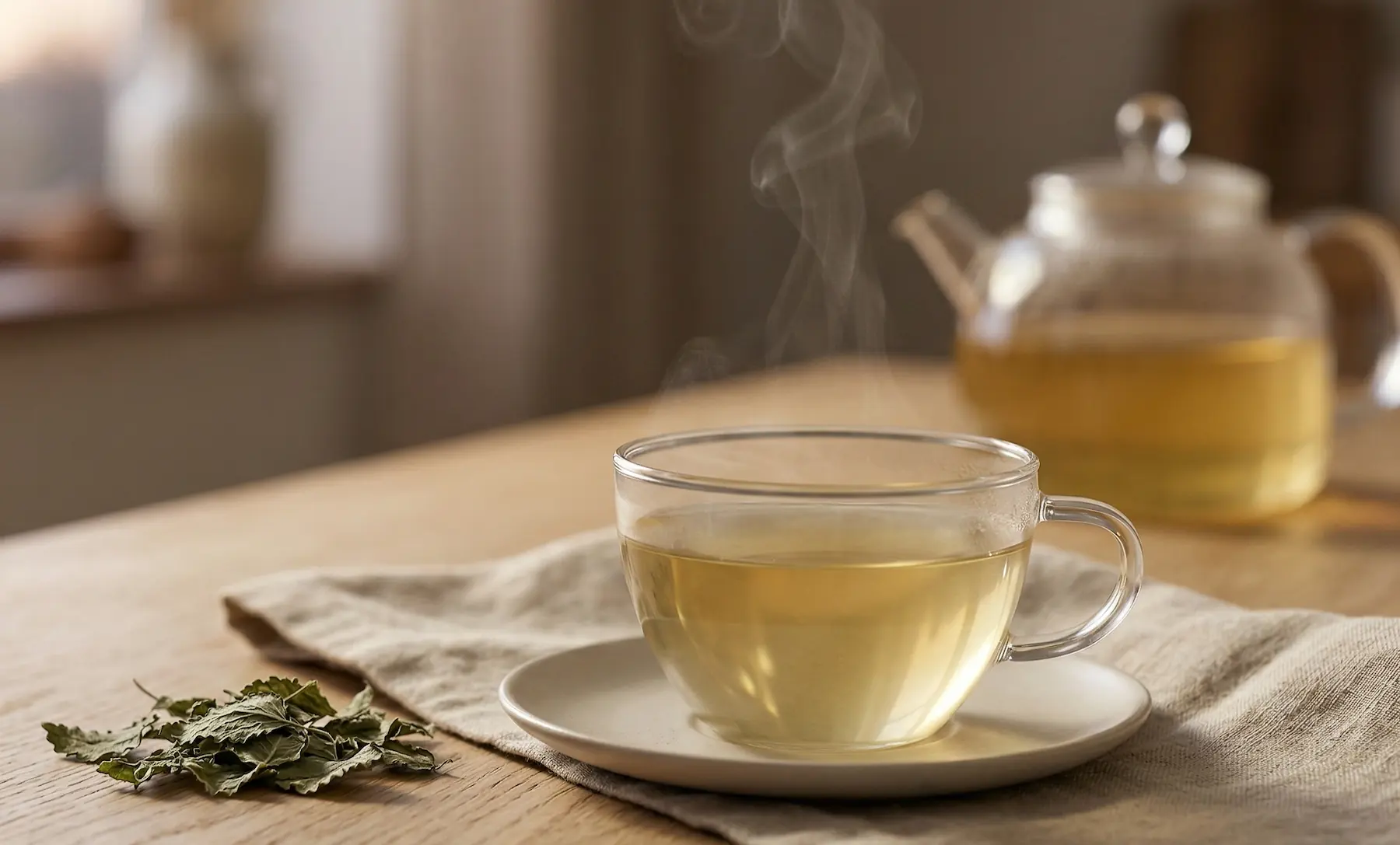
Classic Serenity Tea is a simple infusion of lemon balm, also known as Melissa in many popular contexts. It is a delicate profile drink, with a citrus-herbal aroma and a light sensation in the cup. Unlike very heavy blends, this recipe values a single plant and its natural expression: dried leaves, hot water, infusion time, and pause. The result is a clear, aromatic, and welcoming tea, suitable for the end of the day or for moments when the routine calls for less haste. In the calming category, communication must be responsible. Lemon balm is traditionally used in relaxation drinks, but the tea should not promise to professional care emotional tension, stress, migraine, sleep difficulty, or emotional tension. It can contribute to a slowing down ritual, especially when combined with simple actions like dimming lights, putting away screens, and drinking slowly. This is different from suggested therapeutic effect. Frequent, intense, or persistent symptoms deserve professional guidance. The preparation is delicate. Lemon balm does not need to boil directly; excessive heat can harm part of the aroma and make the flavor more muted. The water should be hot, almost boiling, and the infusion should be covered for 8 to 10 minutes. Covering helps preserve volatile aromatic compounds, which are an important part of the experience. Straining well leaves the drink clean and pleasant. Since lemon balm has a mild flavor, it usually does not need sweetener. Sensorially, Classic Serenity Tea pairs well with a warm bath, reading, journaling, light meditation, soft music, or a break after work. It may cause drowsiness in some people, so it is best to observe individual response. In a premium curation, its strength lies in well-executed simplicity: one herb, one cup, one ritual. It is a tea for pause, not a promise of emotional healing.
Summary
Classic infusion of lemon balm, soft and citrus in aroma, ideal for a slowing down break at the end of the day without therapeutic promises.
Flavor profile
The flavor is light, herbal, slightly citrusy, and not astringent, with a low body and clean finish. Lemon balm resembles mild lemongrass, fresh leaves, and delicate citrus peel. The drink is aromatic without being intense. If the infusion exceeds the time or if the herb is old, the flavor can become muted, bitter, or hay-like.
When to prepare
It is best indicated in the late afternoon or evening, as part of a tranquil slowing down routine. It pairs well with reading, warm baths, resting, journaling, or moments when one desires a caffeine-free drink. It should not be used as professional care for emotional tension, stress, migraine, or sleep difficulty. If it causes drowsiness, avoid driving or operating machinery. People using sedatives, alcohol, or ongoing medications should exercise caution and seek guidance.
Use notes
Lemon balm can create a light, aromatic, and welcoming infusion, traditionally associated with moments of pause and slowing down. Its citrus-herbal scent and warm temperature can help create a more tranquil routine at the end of the day, but the recipe should not be presented as professional care for emotional tension, stress, migraine, sleep difficulty, emotional tension, or any clinical condition. The feeling of calm varies among individuals and is not suggested. The safest benefit lies in the ritual, aroma, hydration, and stepping away from stimuli for a few minutes. It does not replace therapy, sleep hygiene, medical evaluation, medications, professional care, or professional follow-up when symptoms persist.
Ingredients
- 1 tablespoon of dried lemon balm leaves (Melissa)
- 250 ml of hot water
Preparation
- 1. Heat the water until almost boiling.
- 2. Turn off the heat.
- 3. Add the lemon balm, cover for 8 to 10 minutes.
- 4. Strain and drink warm.
Preparation tips
Heat the water until almost boiling and turn off before adding the lemon balm. Use a covered cup for 8 to 10 minutes to preserve the aroma. Strain well before drinking. For a milder version, use 1 teaspoon instead of 1 tablespoon. Do not boil the leaves directly, as the flavor may lose delicacy. Use well-stored herb, free from moisture or moldy smell. Avoid mixing with alcohol or many calming ingredients. Drink warm, in small sips, observing individual tolerance.
Variations
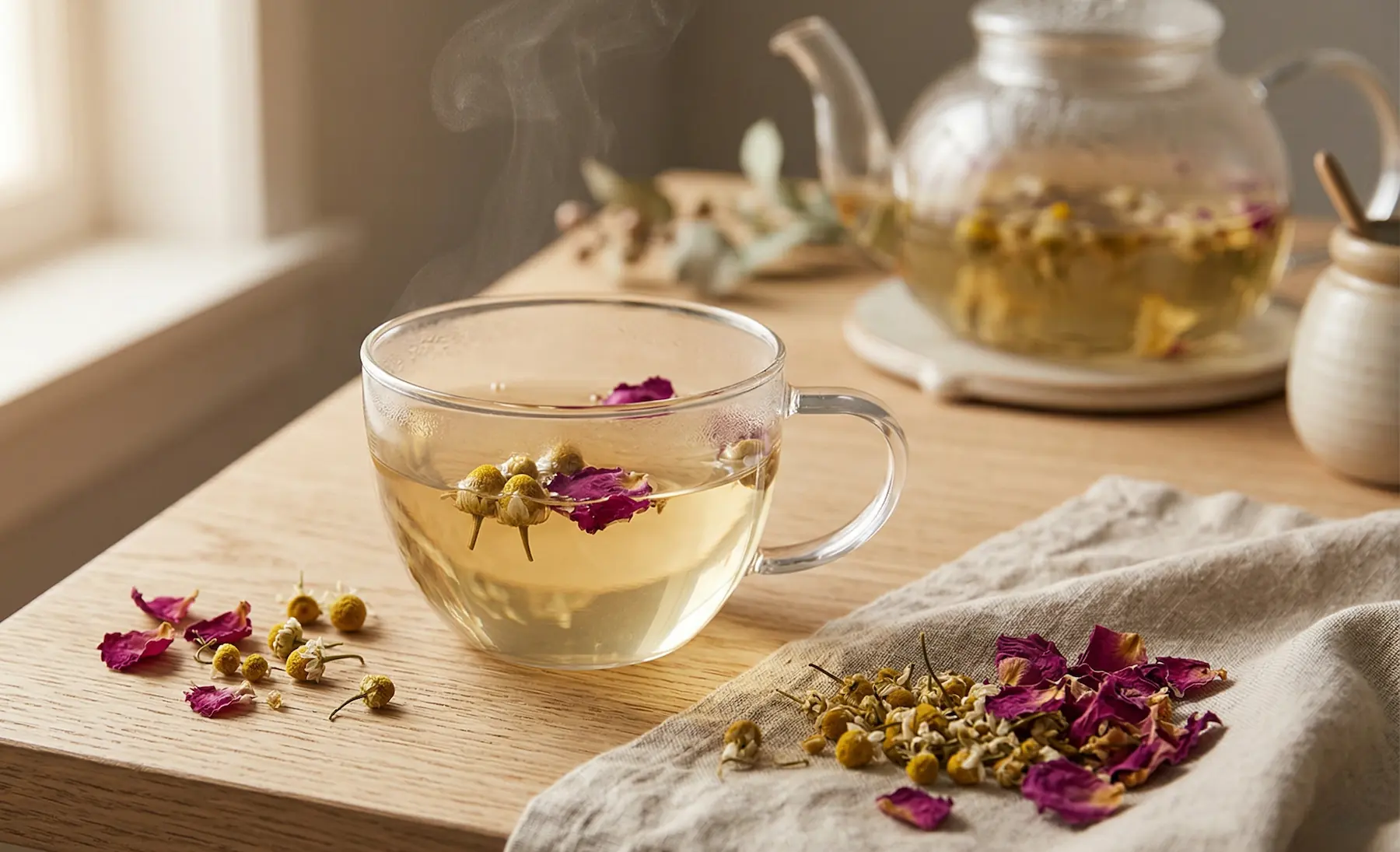
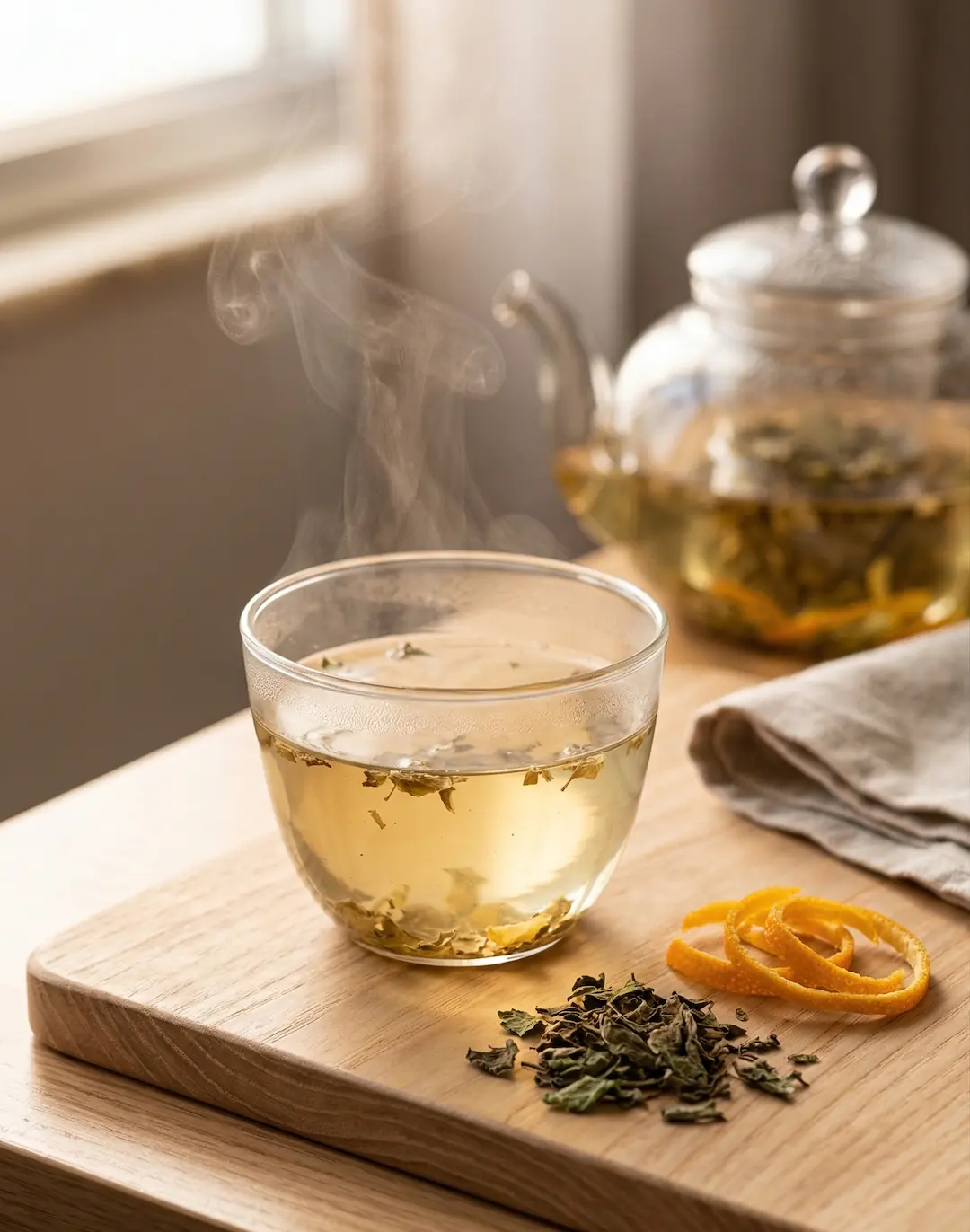
For a more citrus version, add a small strip of well-washed orange peel during the last 2 minutes of infusion. For a softer drink, add a thin slice of apple. For a floral profile, combine with a small amount of chamomile, provided there is no allergy to Asteraceae. On hot days, prepare, strain, wait to cool, and serve with ice. Avoid adding valerian, mulungu, passionflower in high doses, or other specific-use ingredients without professional guidance, especially if there is already medication use.
Enjoy your tea
Care and observations
Adult use only. Generally, 1 to 2 cups a day may be sufficient, depending on tolerance. Avoid combining with alcohol, sedatives, anxiolytics, sleep aids, or other medications that cause drowsiness without professional guidance. Pregnant women, breastfeeding women, children, teenagers, people with thyroid disorders, using thyroid medication, chronic diseases, or ongoing medications should consult a health professional before regular use. If drowsiness occurs, avoid driving, operating machinery, or engaging in risky activities. If emotional tension, stress, migraine, sleep difficulty, or emotional distress are frequent, intense, or persistent, seek professional guidance.