Tea Sweet Comfort
Childhood in a Cup
Responsibility Notice
The content on the website and in the app does not replace professional medical advice, diagnosis, or treatment. If you have clinical questions, consult a qualified health professional.
Responsible UseAbout this recipe
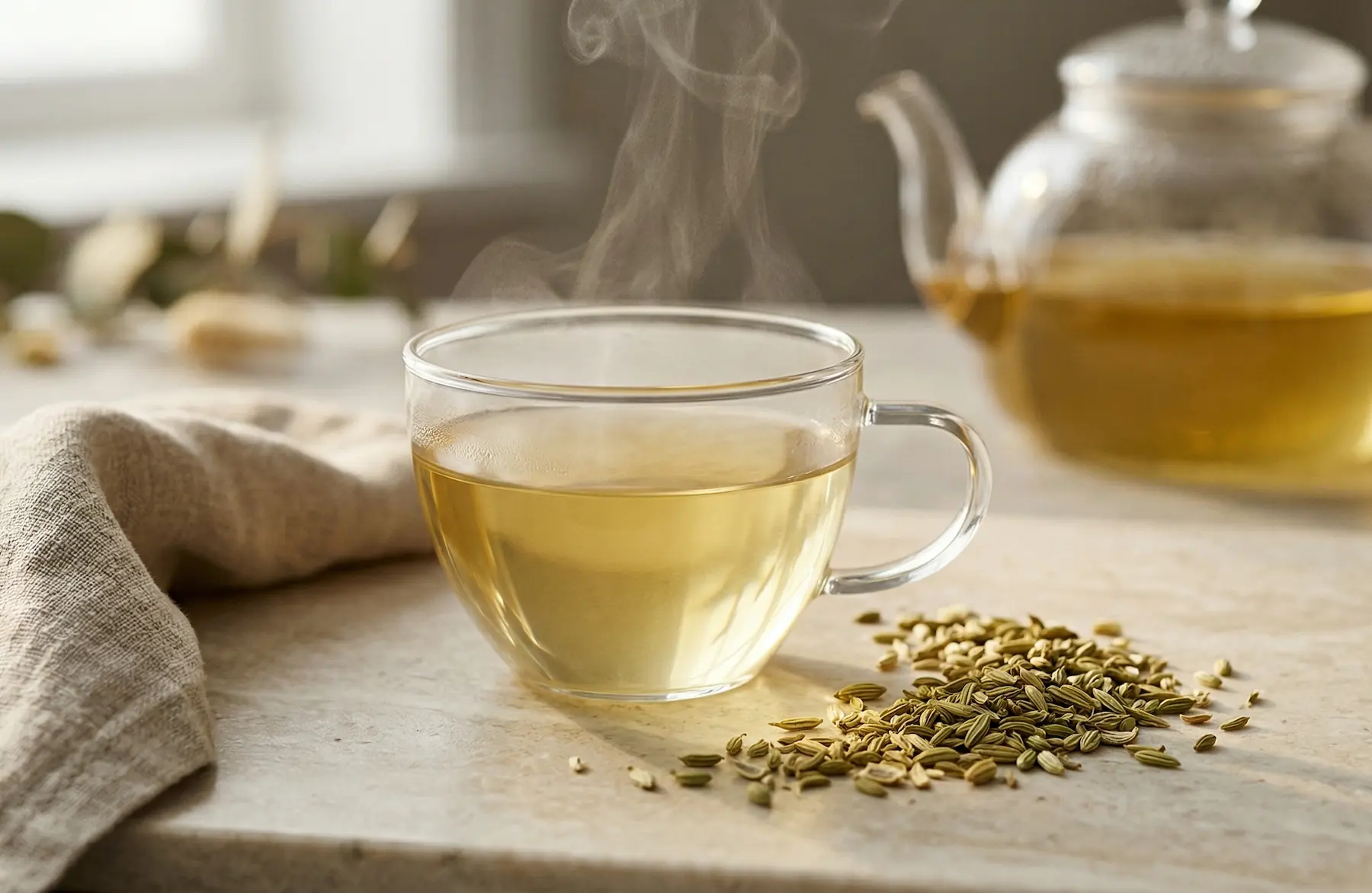
Sweet Comfort Tea is an infusion of fennel seeds, also known as fennel, with a familiar flavor, sweet aroma, and affectionate presence. It is one of those drinks that remind you of home, simple cooking, and unhurried care. The seeds, when lightly crushed, release a sweet, herbal, anise-like aroma, creating a warm cup that seems sweeter than it actually is. The recipe is simple but requires technique to extract flavor without overdoing the intensity. Being in a clinical category and mentioning digestive comfort, the language must be careful. Fennel is traditionally used after meals, but the tea should not promise to relieve gas, cure cramps, treat heartburn, improve diarrhea, or resolve abdominal pain. It can be pleasant during light moments and offer a warm, aromatic pause, but intense, persistent symptoms or those accompanied by fever, vomiting, blood, or dehydration need professional evaluation. Preparation starts with the seeds. Lightly crushing helps release aromatic oils, but grinding into powder can make the drink too strong and difficult to strain. The water should be hot, and the container should be covered for 8 to 12 minutes. This time allows the aroma to develop without making the infusion heavy. Since fennel already brings aromatic sweetness, it usually does not need sugar or honey. Sensorially, Sweet Comfort Tea pairs well with late afternoons, after meals, cold days, or moments of rest. It is a caffeine-free, soft, and accessible drink, but it is not automatically safe for everyone: allergies, pregnancy, breastfeeding, hormonal conditions, and medication use require caution. In a premium curation, its strength lies in honest delicacy: tradition, aroma, and comfort without turning the cup into treatment.
Summary
Infusion of fennel seeds, naturally aromatic and sweet, designed for sensory comfort after meals.
Flavor profile
The flavor is naturally sweet in aroma, anise-like, herbal, and smooth, with a light body and clean finish. Fennel seeds bring a scent reminiscent of anise, delicate pastries, and dried herbs. The drink is not usually bitter when prepared correctly. If the seeds are ground too much or steeped for too long, the flavor can become cloying and dominant.
When to prepare
It can be consumed after meals, in the late afternoon, or at night when one desires a warm, caffeine-free, and smooth drink. It also pairs well with reading, breaks, and rest. It should not be used as a treatment for gas, cramps, heartburn, or abdominal pain. If there is intense discomfort, persistent symptoms, fever, vomiting, or blood in stools, seek professional evaluation. People with allergies or hormonal conditions should exercise caution.
Use notes
Fennel seeds can create a naturally aromatic infusion, sweet in scent and closely associated with comforting homemade preparations. The warmth of the drink, the anise aroma, and the ritual of sipping can offer a subjective feeling of comfort after meals or during moments of mild discomfort. Still, the recipe should not be presented as a treatment for gas, cramps, heartburn, bloating, diarrhea, or any gastrointestinal condition. The safest benefit lies in hydration, aroma, pausing, and the traditional culinary experience. It does not replace medical evaluation, medications, guided diet, treatment, investigation of persistent symptoms, or professional follow-up.
Ingredients
- 1 tablespoon of fennel seeds
- 250 ml of hot water
Preparation
- 1. Lightly crush the seeds.
- 2. Add to the hot water, cover for 8 to 12 minutes.
- 3. Strain and drink warm.
Preparation tips
Lightly crush the seeds using a mortar and pestle or the back of a spoon. Do not turn them into powder. Pour hot water, cover, and let steep for 8 to 12 minutes. Strain well before drinking. For a milder version, use 1 teaspoon instead of 1 tablespoon. Avoid sweetening before tasting, as the aroma already conveys a sense of sweetness. Use well-stored seeds, free from moisture or strange odors. Prepare for immediate consumption and avoid prolonged continuous use without professional guidance.
Variations
For a lighter version, reduce the amount of seeds and increase the water slightly. For a fresher profile, add a small strip of well-washed orange peel in the last minute of infusion. For a softer drink, combine with a thin slice of apple. For a more floral blend, use a small amount of chamomile, if there is no allergy to Asteraceae. Avoid mixing with too many aromatic seeds or strong spices if there is a sensitive stomach. Also, avoid excessive sweetening, preserving the naturally perfumed character.
Enjoy your tea
Care and observations
Adult use only. Generally, 1 to 2 cups a day may be sufficient, depending on tolerance. People allergic to plants in the Apiaceae family, such as celery, carrot, coriander, fennel, parsley, or anise, should avoid or exercise caution. Pregnant or breastfeeding women, individuals with hormone-sensitive conditions, endometriosis, a history of hormone-sensitive cancer, those using hormonal medications, anticoagulants, or ongoing medications should consult a professional before regular use. Do not use as a treatment for cramps, gas, heartburn, diarrhea, abdominal pain, or any digestive condition. If there is severe pain, fever, vomiting, blood in stools, dehydration, or persistent symptoms, seek evaluation.