Origins & Terroir
World Tour
Master the 5 most iconic tea recipes on Earth
Open article
Travel through the world’s great terroirs and discover how culture, climate, and soil shape every infusion.
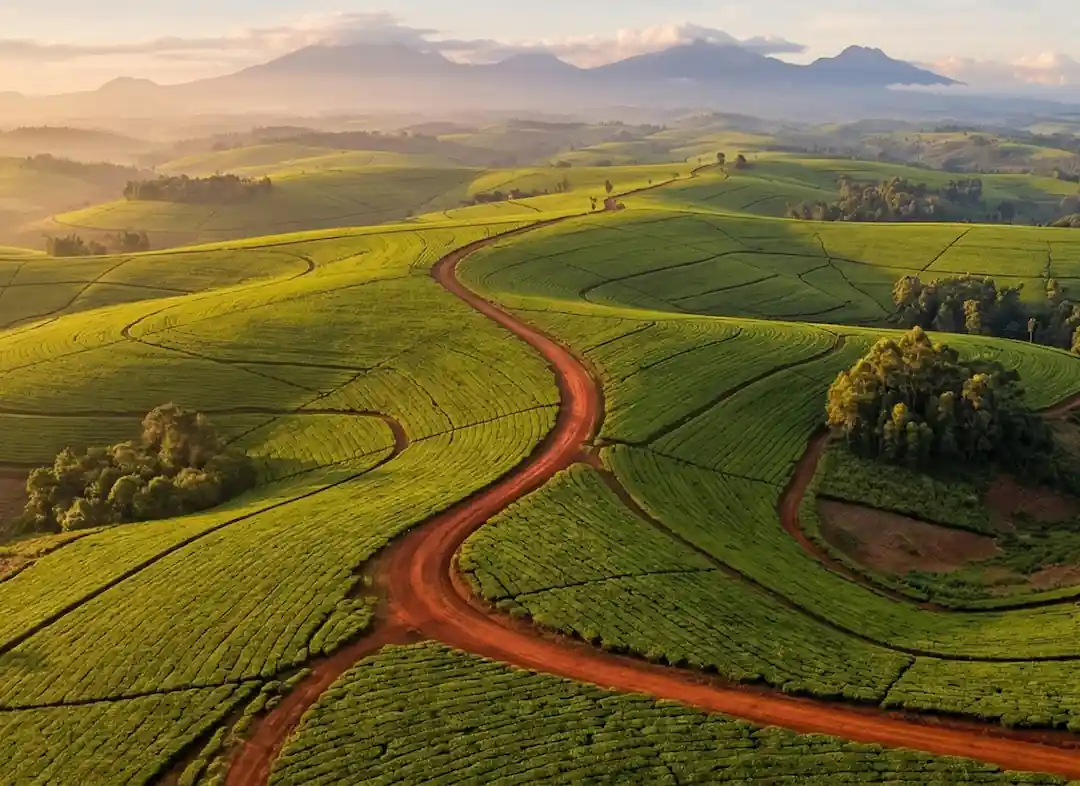
Soil, climate, and altitude sign the identity of each harvest. Just like in fine wines, tea terroir determines its most subtle notes. Set out on a geographic journey to discover how the environment shapes the aromatic profile and structure of the world’s great crus.
Explore the regions according to your palate curiosity. If you prefer fresh and herbaceous notes, begin with the Far East. If you seek intense, malty, or earthy aromas, the route through the Indian Subcontinent and Africa will offer fascinating readings.
Terroir is the geographic fingerprint of the drink. It is the inseparable combination of environmental factors, such as soil composition, rainfall level, temperature variation, altitude, and local climate, together with the human tradition of cultivation, giving a specific harvest its unique sensory characteristics.
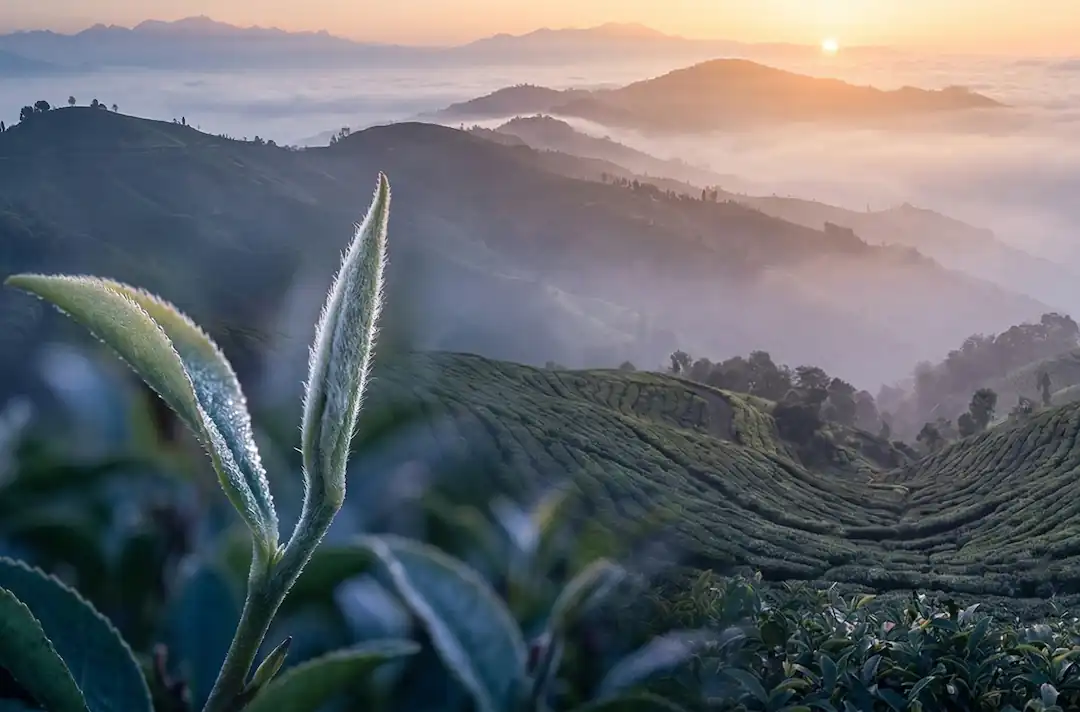
At high altitudes, known as High Grown regions, colder weather and constant mist make the plant grow more slowly. This positive 'botanical stress' concentrates essential oils and polyphenols in the young leaves, resulting in teas with highly complex floral aromas and remarkable liveliness, such as the famous Darjeelings from India.
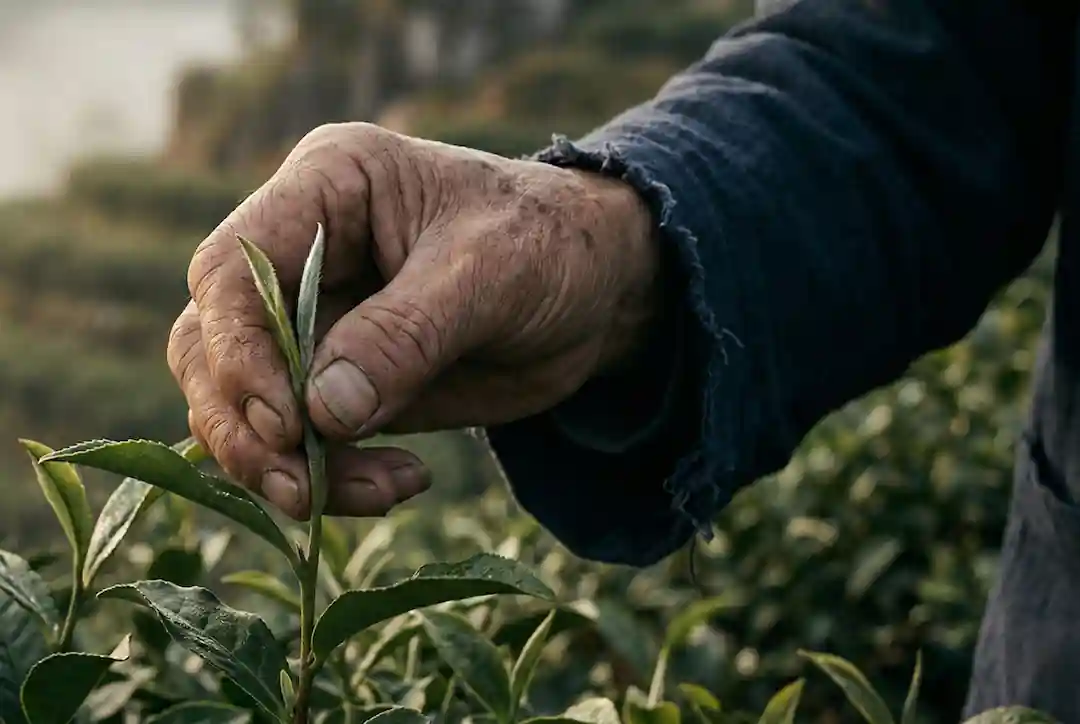
The harvest window shapes the profile of the cup. Spring harvests, known as First Flush, produce extremely tender leaves, rich in vegetal freshness and delicate notes, because the plant stored nutrients through winter. Summer harvests, or Second Flush, benefit from strong sunlight, generating more robust leaves, darker liquors, and fruity, nutty, or malty flavors.