A hot cup is only one of tea’s possible forms. When it enters the worlds of mixology, coffeehouse culture, and iced service, it begins to function as an aromatic base, a textural element, a source of freshness, and a layer of complexity. That is where tea reveals another calling: less fixed ritual, more creative language.
Golden rule of tea mixology: the preparation of the base defines the final result. The wrong temperature, an overly long infusion, poorly dissolved sugar, or insufficient ice can throw the drink out of balance before the first sip.
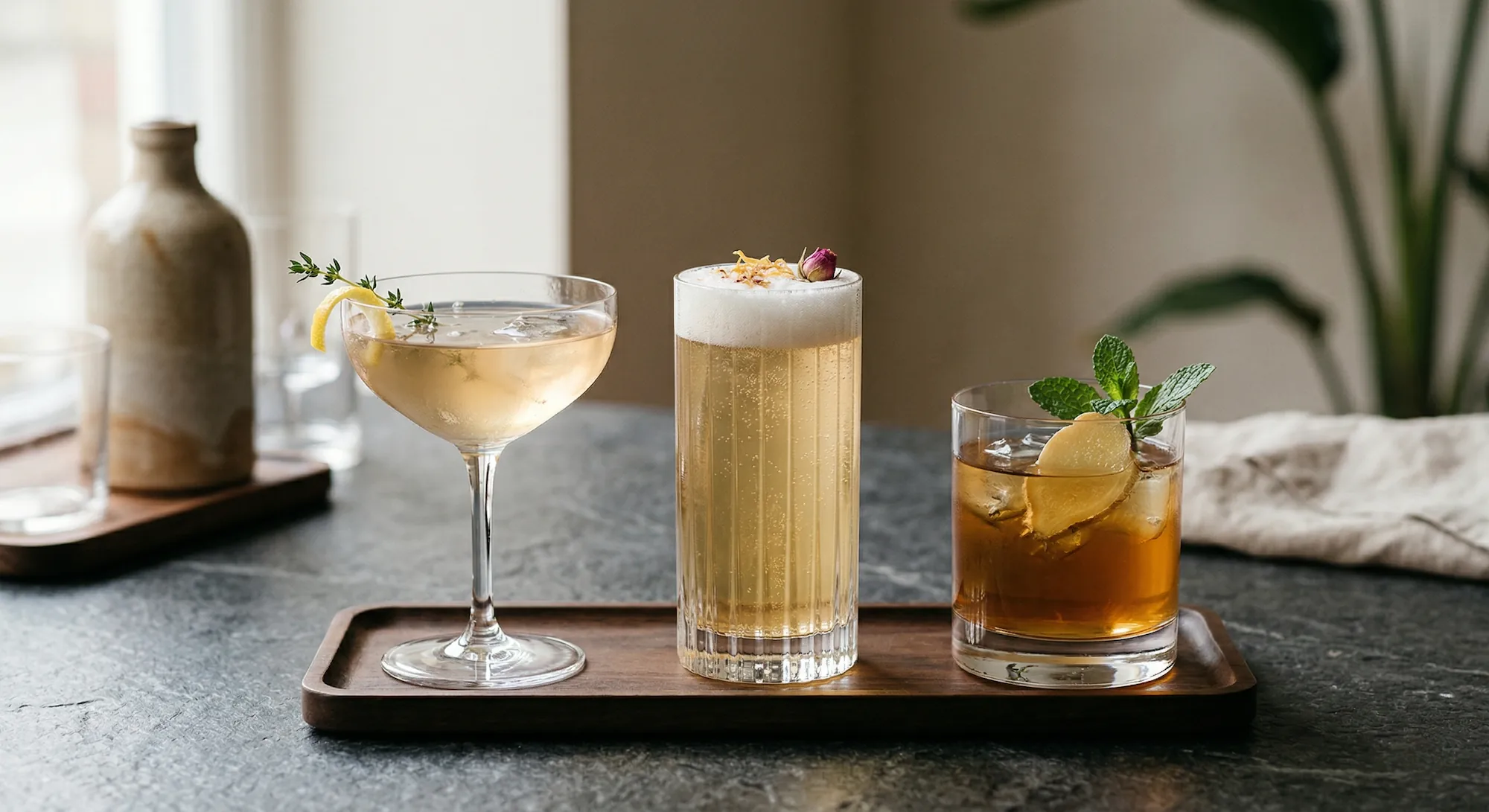
Master the Art of Tea Drinks
For warm weather, iced tea remains the most generous entry point. But when made well, it stops feeling like mere refreshment and begins to take on the structure of a bar drink. The difference lies in the concentration of the base, the type of sweetening, the rhythm of chilling, and the way the drink meets ice, citrus, soda, or milk.

- 11. Concentrated base: brew the tea a bit stronger than you would for drinking it plain, because the ice will dilute the drink in the glass.
- 22. Smart sweetening: if you are using sugar, honey, or syrup, dissolve it while the base is still hot.
- 33. Fast service chilling: strain the infusion and pour it over plenty of ice to serve immediately with greater brightness and freshness.
- 44. Finishing: adjust with citrus, sparkling water, milk, or cold foam depending on the profile you want to create.
If iced tea turns slightly cloudy, that does not mean it has spoiled. Some of that haze may be tea cream — a natural phenomenon linked to the interaction between caffeine and polyphenols as the drink cools. It affects appearance more than safety.

Matcha: Texture, Color, and Visual Energy
Few bases work as well in contemporary mixology as matcha. Because it is consumed as a powder rather than only through infusion, the drink gains body, color, and presence. In non-alcoholic drinks, iced lattes, or blended ice preparations, it offers a vegetal, creamy profile with striking visual appeal.
- 1Sift about 1/2 teaspoon to 1 teaspoon of matcha to avoid clumps.
- 2Add about 2.4 fl oz of hot water, but below boiling, ideally in the range of 158 °F to 176 °F.
- 3Whisk with the chasen in quick motion until a fine foam forms and the surface is smooth.
- 4Serve plain or finish with hot milk, cold milk, or ice, depending on the style of drink.
In latte form, the secret is not to suffocate the matcha with excessive sweetness. It works best when the milk enters as texture and rounding, not as a total cover over the flavor. A good matcha drink still needs to taste like matcha.
Masala Chai: Spice, Milk, and Comfort
If matcha occupies the territory of clarity and color, masala chai lives in comfort. Traditionally, it is prepared with black tea, milk, sugar, and spices. Ginger, cardamom, cinnamon, and cloves appear often, but the combination varies from household to household — and that freedom is part of its identity.
- 1Start with water and spices, letting them perfume the liquid for a few minutes.
- 2Add the black tea and then the milk, adjusting the ratio to the body you want.
- 3Let the mixture heat and come together without rushing, until it develops fragrance and color.
- 4Strain, sweeten if desired, and serve hot; for an iced version, chill the base and use plenty of ice.
For contemporary service, chai can also become an iced latte, a blended drink, or a base for creamier non-alcoholic creations. The main care point is preserving its backbone: robust tea, noticeable spice, and soft texture.
Other Paths in Tea Mixology
After mastering iced drinks, matcha, and chai, the repertoire opens up. Black teas work beautifully with citrus, soda, and light syrups. Oolongs enter with elegance into more mineral and floral drinks. Rooibos and botanical infusions offer excellent bases for those who want body and fragrance without caffeine. When the structure is sound, tea accepts improvisation with great dignity.
- 1Black tea + citrus + soda: more direct, lively, and food-friendly.
- 2Jasmine or floral oolong + cucumber or lemon: more aromatic, fresh, and delicate.
- 3Rooibos + cocoa or vanilla: rounder, softer, and more comforting.
- 4Matcha + cold milk + ice: creamier, more visual, and vibrant.
In the end, tea mixology is not about turning tea into something else. It is about revealing everything it can already be. With technique, balance, and a little imagination, tea leaves the traditional cup without losing its identity — and finds new ways to enchant.