Few regions have shaped the modern imagination of tea as deeply as India and Sri Lanka. It was here that black tea gained a decisive part of its global scale, but also much of its sensory vocabulary: the high, airy delicacy of Darjeeling, the malty energy of Assam, the luminous fragrance of Nilgiri, and the origin clarity of Ceylon. More than great producers, these territories became schools of taste.
Golden rule: India and Sri Lanka should not be read as a single block of strong black tea. Each origin responds in its own way to altitude, climate, leaf type, and manufacturing style — and it is precisely that diversity that makes the region so fascinating.
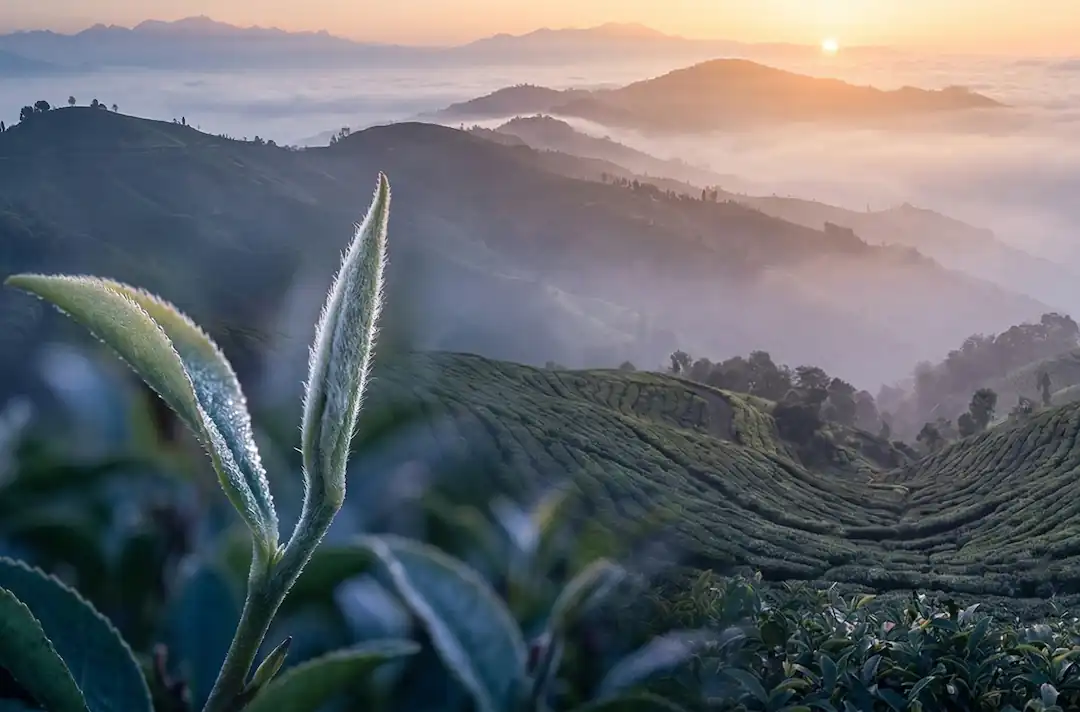
The 19th Century and Tea’s Turning Point
The history of tea in the subcontinent changed radically in the 19th century. Commercial cultivation expanded under the British Empire, first in India and later in Ceylon, in a process that reshaped the drink’s global map. In India, the discovery of the assamica variety helped support a new production axis. In Sri Lanka, tea took center stage after the coffee crisis, becoming the island’s great agricultural response.
That colonial past is part of the history of modern tea, but it does not exhaust what these regions became. Over time, India and Sri Lanka stopped being merely solutions for an imperial market and began building identities of their own, highly recognizable in the cup.
India: Scale, Culture, and Diversity
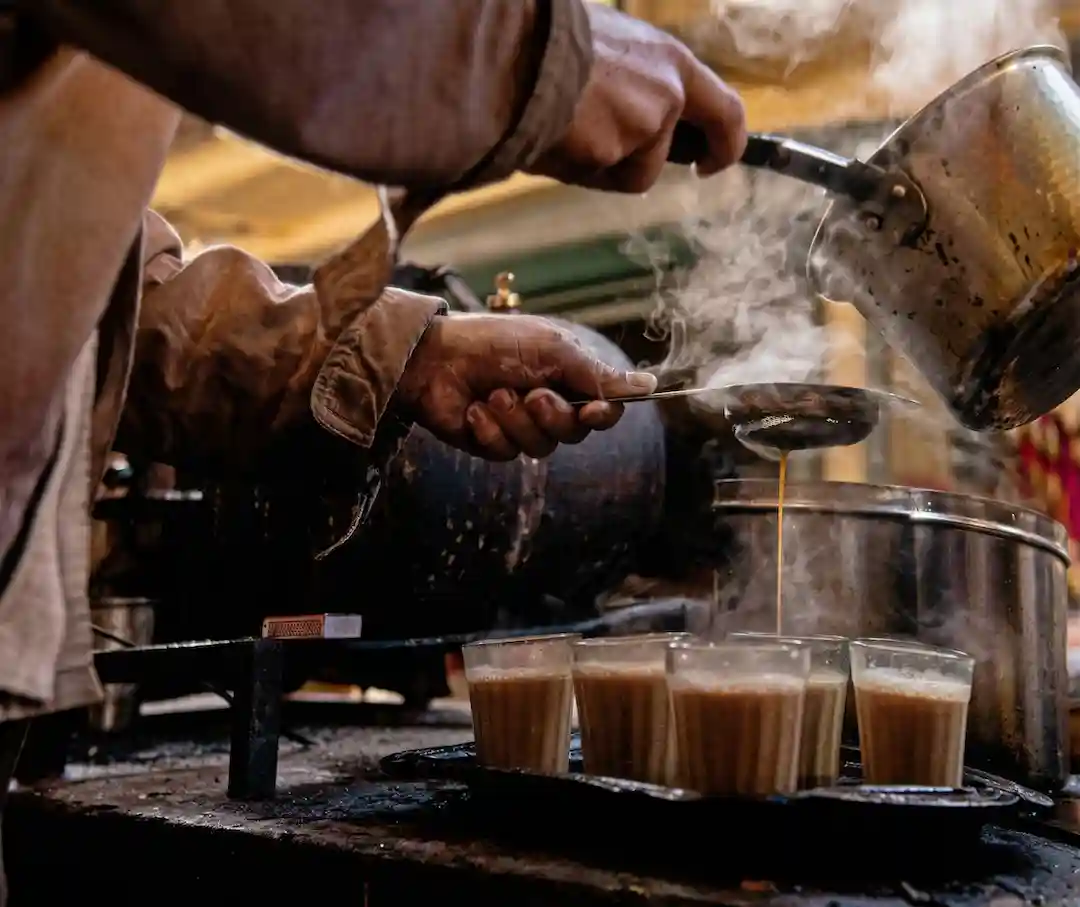
India is not only one of the world’s great tea-producing countries; it is also one of the largest tea-consuming territories. Tea is deeply integrated into daily life, from home to train, from the counter to the street, and appears both in simple service and in highly valued origin leaves. This coexistence of volume and refinement is one of the most singular marks of Indian tea culture.
Darjeeling, Assam, and Nilgiri: Three Languages of the Leaf
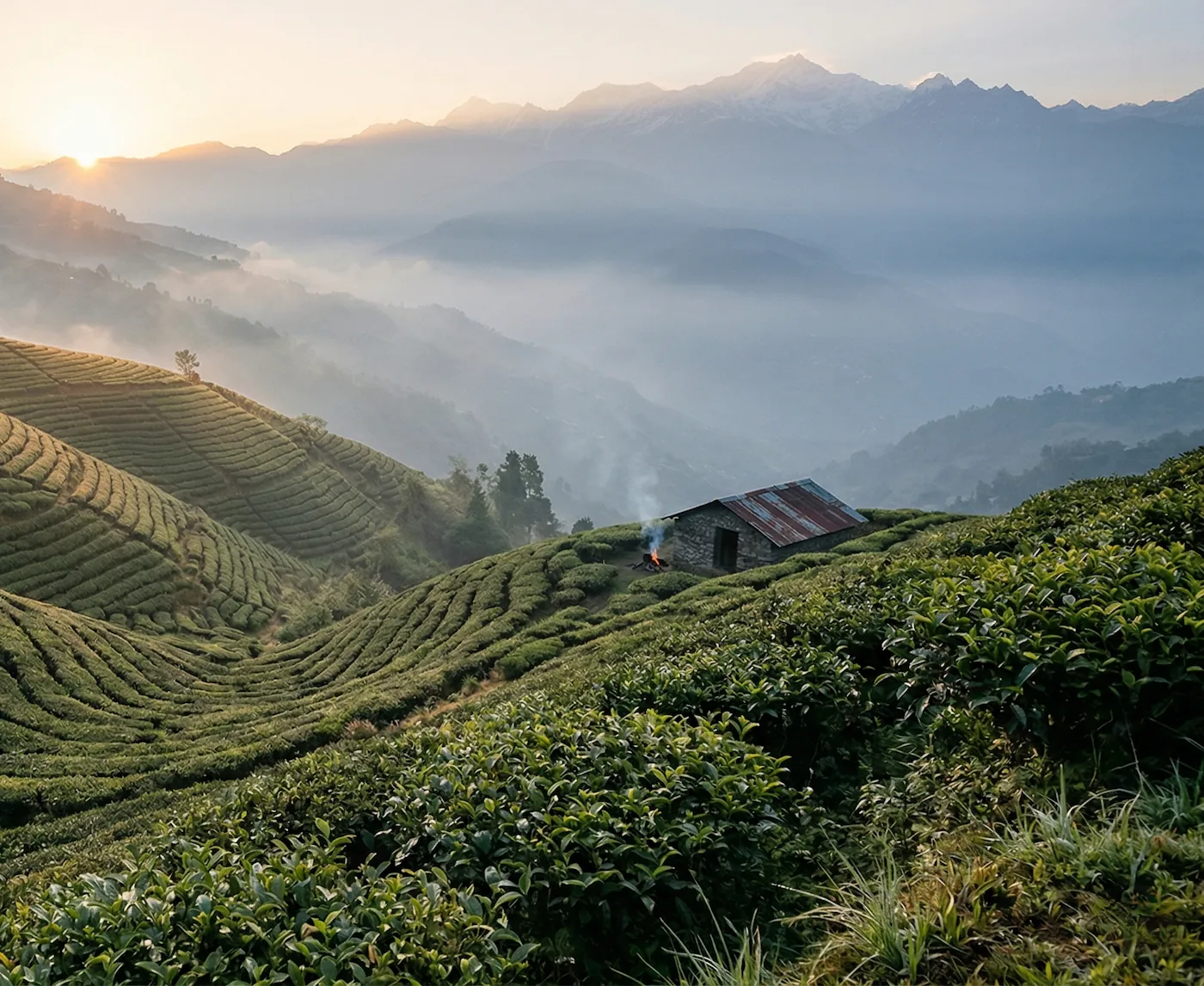
India’s strength lies precisely in not speaking with a single voice. Darjeeling, Assam, and Nilgiri are not just famous names: they are different ways for the leaf to express itself.
- 1Darjeeling: a tea whose color ranges from pale lemon to richer amber, known for delicacy, liveliness, sweetness, dryness, and aromatic finesse. In spring harvests, it is especially prized for freshness and lightness.
- 2Assam: deep, full-bodied, brisk, strong, and malty. Its best orthodox second-flush lots are among the most celebrated in the country.
- 3Nilgiri: fragrant, floral, bright, and brisk, with a balance of body and freshness that made it a great ally in blends — and an origin far more interesting than it often seems at first glance.
In the cup: Assam usually takes milk more easily without disappearing; Darjeeling, especially in finer and more delicate versions, generally shines better when served plain.
Nilgiri: The Elegance of the South
Nilgiri deserves special attention because it often remains hidden behind Darjeeling and Assam in the international imagination. And yet, Tea Board India describes it as a fragrant, floral, bright origin harvested throughout the year, thanks to the influence of the two monsoons. Its lighter, more aromatic, and balanced profile explains why so many professionals consider it a great tea for blends and an especially versatile origin.
It shows that Indian tea is not limited to strength and malt. In the south, the leaf can also speak with more light, fragrance, and freshness.
Sri Lanka: The Precise Map of Ceylon
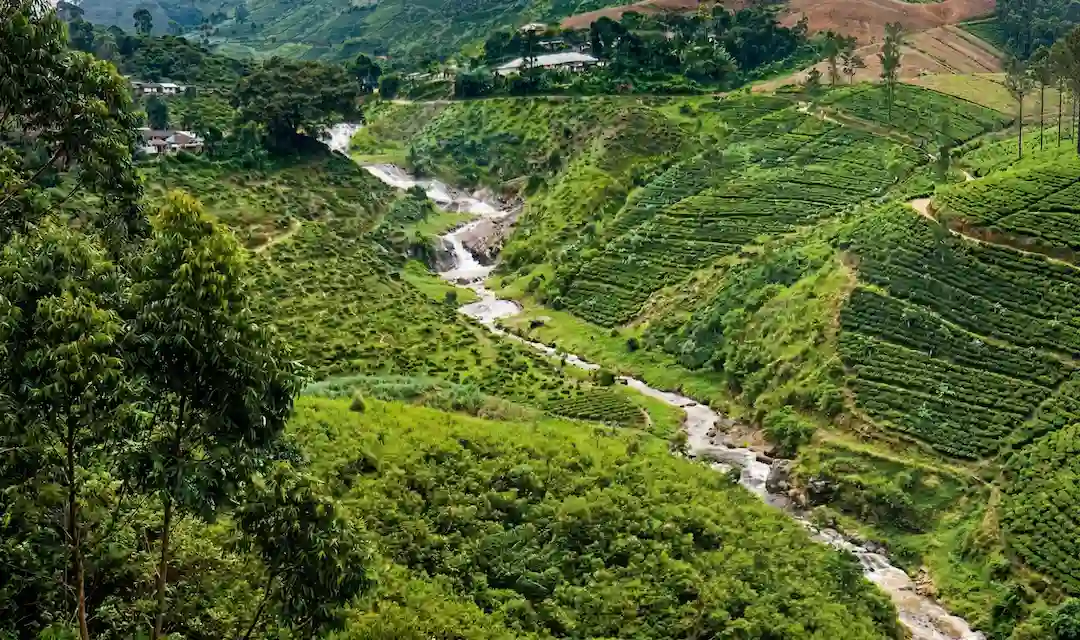
If India impresses through the internal diversity of its great styles, Sri Lanka impresses through the geographic rigor with which it organizes its identity. The island structured its tea by districts and elevations in a very clear way. The Sri Lanka Tea Board describes seven districts and three major elevation bands — high grown, mid grown, and low grown — shaped by two monsoon systems that make each region experience its best moments at different times of the year.
That is why saying only “Ceylon” never tells the whole story. Within Ceylon there is mountain, foothill, heat, dry wind, humidity, and distinct quality seasons, and all of this appears in the cup.
The Heights of Ceylon
One of Sri Lanka’s beauties lies precisely in this origin-based reading. Nuwara Eliya, for example, is officially described as the most delicately fragrant among the great expressions of Ceylon, with a lighter, golden liquor. In other areas, the profile may gain more body, more fruit warmth, or more structure, but always within a logic strongly tied to place.
- 1High Grown: tends to produce finer, higher, and more fragrant profiles, with Nuwara Eliya as the classic highlight.
- 2Mid Grown: occupies an interesting middle ground between delicacy and body.
- 3Low Grown: represents the majority of production and supports denser, darker cups that are structurally very important to the whole of Ceylon.
Why India and Sri Lanka Remain Central
Perhaps the most impressive thing about these two origins is that they never became merely history. India and Sri Lanka remain essential because they offer, at the same time, volume, identity, and nuance. On one side, they build the foundation of countless everyday tea habits around the world; on the other, they preserve origin cups that still require attention, repertoire, and delicacy to be fully understood.
To drink this region is to drink contrast: mountain and plain, subtlety and vigor, brightness and malt, street and garden, daily life and reverence. At Nature Chá, that is the invitation: to discover that modern black tea was not born from a single voice, but from an entire geography of styles that still defines global taste today.