Buying tea seems simple until the moment the shelf starts speaking too loudly. Origin, fragrance, altitude, a beautiful tin, a promise of rarity, a seal, an exclusive blend, immaculate packaging. In just a few seconds, the purchase leaves taste behind and enters seduction. That is why buying well does not depend on finding the “most luxurious” tea, but on learning to identify what truly deserves trust.
Golden rule: never buy tea based on packaging alone. Packaging may be refined and still hide a product that is vague, old, or poorly explained.
Start with Your Palate, Not with Prestige
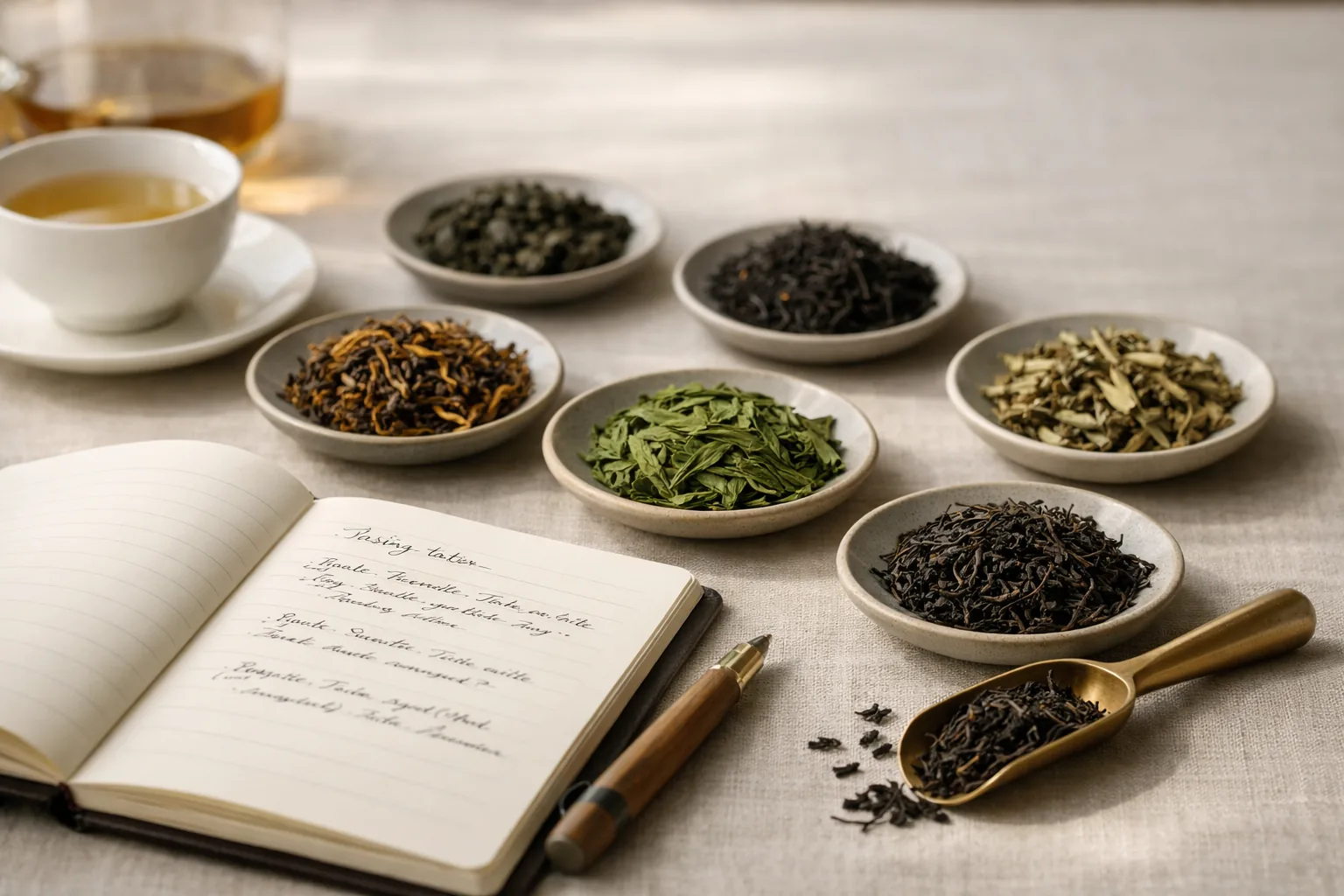
One of the most common mistakes is buying by the most famous name, the most prestigious origin, or the highest promise of sophistication, without asking whether that profile truly matches your own taste. Some people buy Darjeeling expecting deep, comforting body and end up disappointed. Others take home an intensely strong black tea when what they wanted was floral delicacy. Before thinking about status, it is worth thinking about language: do you prefer lighter teas, toastier teas, floral teas, maltier teas, greener teas, or more aromatic blends?
Buying well is, first of all, buying something that has a real chance of being enjoyed. The right tea is almost always the one that speaks to your routine and your sensitivity, not the one that seems most admirable on paper.
Distrust Anything That Is Too Vague
If the label speaks a lot about purity, luxury, energy, tradition, or exclusivity, but explains very little about what is actually inside, that is not a good sign. Good sellers and good brands tend to be clearer: they tell you whether it is pure tea, a blend, flavored tea, or a tisane; they list ingredients; they show origin when it matters; and they do not hide the product behind overly beautiful adjectives.
Buy Less Than Your Enthusiasm Wants
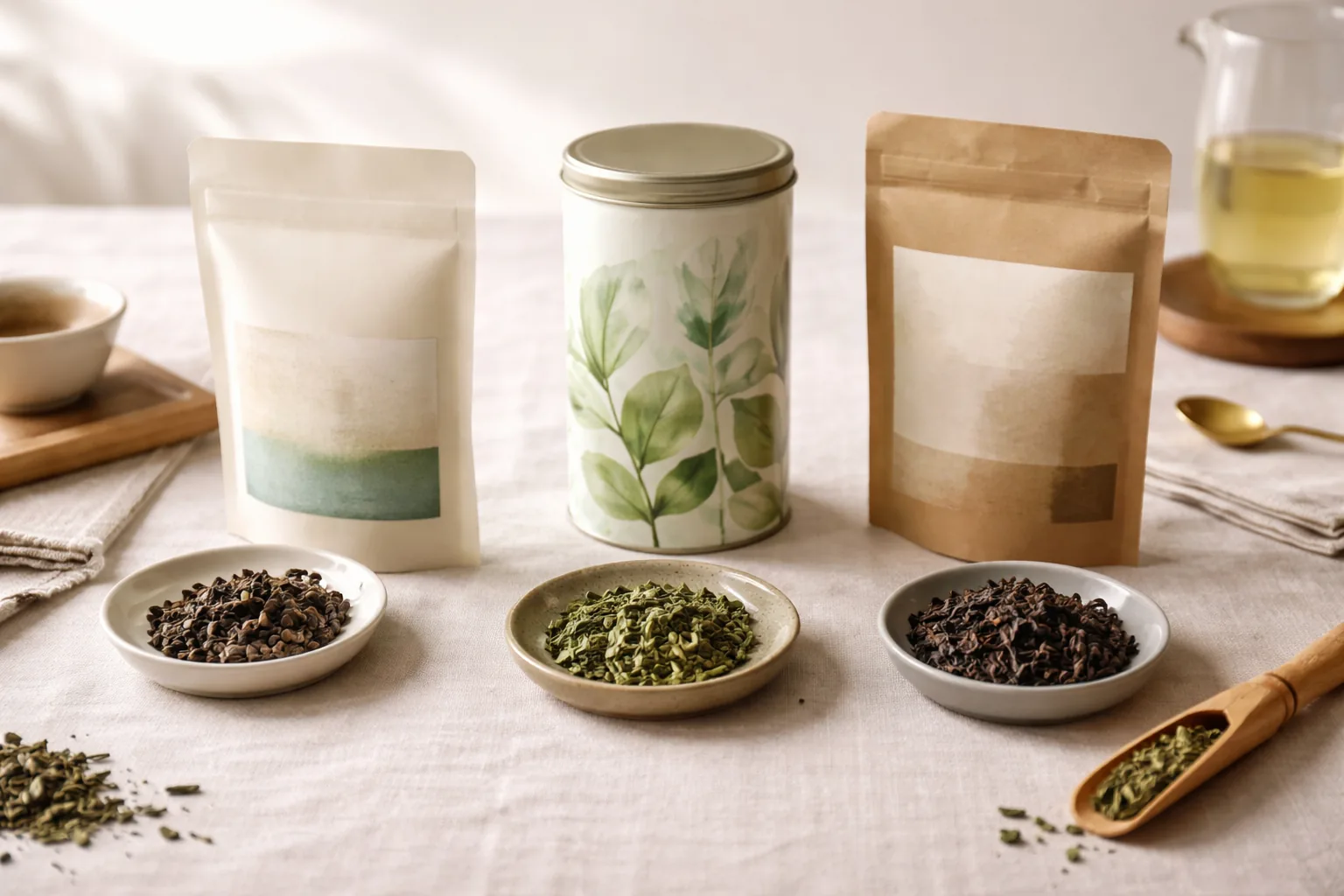
Another common mistake is buying too much volume. Tea does not like neglect: air, light, humidity, and odors reduce freshness and dull its aromatic brightness over time. That is why, especially when you are still getting to know a new style, it makes more sense to buy a smaller amount and repeat what was truly good than to stock a large tin simply because it seemed advantageous.
In the premium world, intelligent buying has a lot to do with editing. A small, well-chosen lot, drunk at the right moment, almost always delivers more than a large, tired collection of opened packages.
If you still do not know a tea’s profile, prefer starting with a smaller amount or a sample. Freshness and repertoire almost always benefit from that kind of caution.
Observe Origin, Lot, and Composition
In practice, some signs help a great deal. A clear origin suggests greater transparency. An identifiable lot suggests more serious traceability. A well-presented ingredient list prevents surprises in blends and flavored teas. When these elements appear together, the tea already starts to feel less like a generic object and more like a product with identity.
- 1Check whether the product clearly states if it is pure tea, a blend, flavored tea, or a tisane.
- 2Notice whether there is a specific origin when the brand wants to sell terroir or rarity.
- 3Look for a lot or batch when you want more confidence and traceability.
- 4Read the ingredients carefully, especially in perfumed, spiced, or fruity teas.
Not Every Sign of Sophistication Means the Same Thing
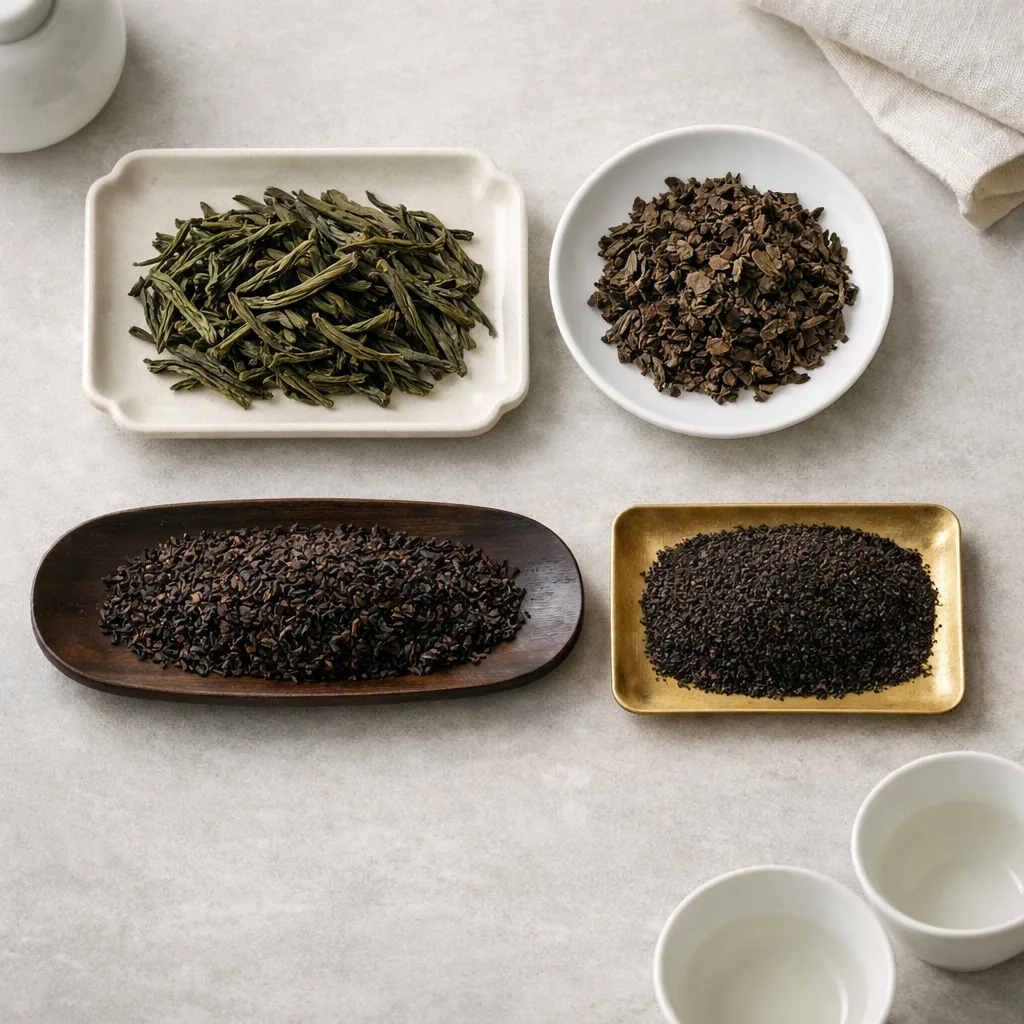
Leaf grades, initials, and technical names can help, but they should not be read as an automatic password to superiority. Whole leaf, broken, BOP, fannings, orthodox, or CTC speak of style, structure, and extraction method — not of a simple hierarchy between “noble” and “inferior.” A more mature buyer does not become dazzled by the term; they ask what kind of cup that style is proposing.
The same applies to certifications and official marks of authenticity. They can be very useful, but they do not replace a reading of the whole picture. A good tea usually convinces by the sum of things: a well-identified product, coherent origin, correct packaging, a lively aroma, and a plausible sensory promise.
Prefer Those Who Know How to Explain What They Sell
A good purchase also depends on whoever is on the other side. Truly reliable brands and shops usually explain what they sell more clearly. They do not need to exaggerate with jargon, but they know how to say where the tea comes from, what it is like, what sensory profile to expect, how to brew it, and why that product deserves attention. A good seller does not hide the merchandise behind a narrative; they reveal it.
In the end, perhaps that is the best criterion of all: buy from those who help you choose, not only from those who try to seduce you into buying.
A Good Purchase Looks Like Coherence
- 1Choose a tea that fits your taste and your moment, not only your curiosity.
- 2Prefer packaging that protects the product well and information that explains the contents well.
- 3Buy less when you are still getting to know a style.
- 4Value clarity, traceability, and freshness more than excessive adjectives.
- 5Buy again what convinced you in the cup, not only in the showcase.
Buying tea without getting it wrong is not about finding the prettiest package — it is about developing an eye that recognizes when there is substance behind it.
At Nature Chá, we like to think that the best purchase is neither the most impulsive nor the most expensive, but the one that feels inevitably right once you learn how to read better. When that happens, the market stops confusing you — and begins to converse with you.