Not every tea from the same origin is identical to the next one. That is one of the great beauties — and one of the great complexities — of the premium tea world. The leaf changes with the season, the garden responds to climate, rain or dryness shifts the rhythm of the plant, and the next harvest may already be born with a different kind of energy. When the market speaks of harvest, flush, or lot, it is trying to name exactly this mobility of nature.
Golden rule: harvest, flush, and lot are not the same thing. Harvest speaks of the agricultural cycle; flush speaks of the moment of picking within that cycle; lot speaks of the concrete identity of that specific batch of tea.
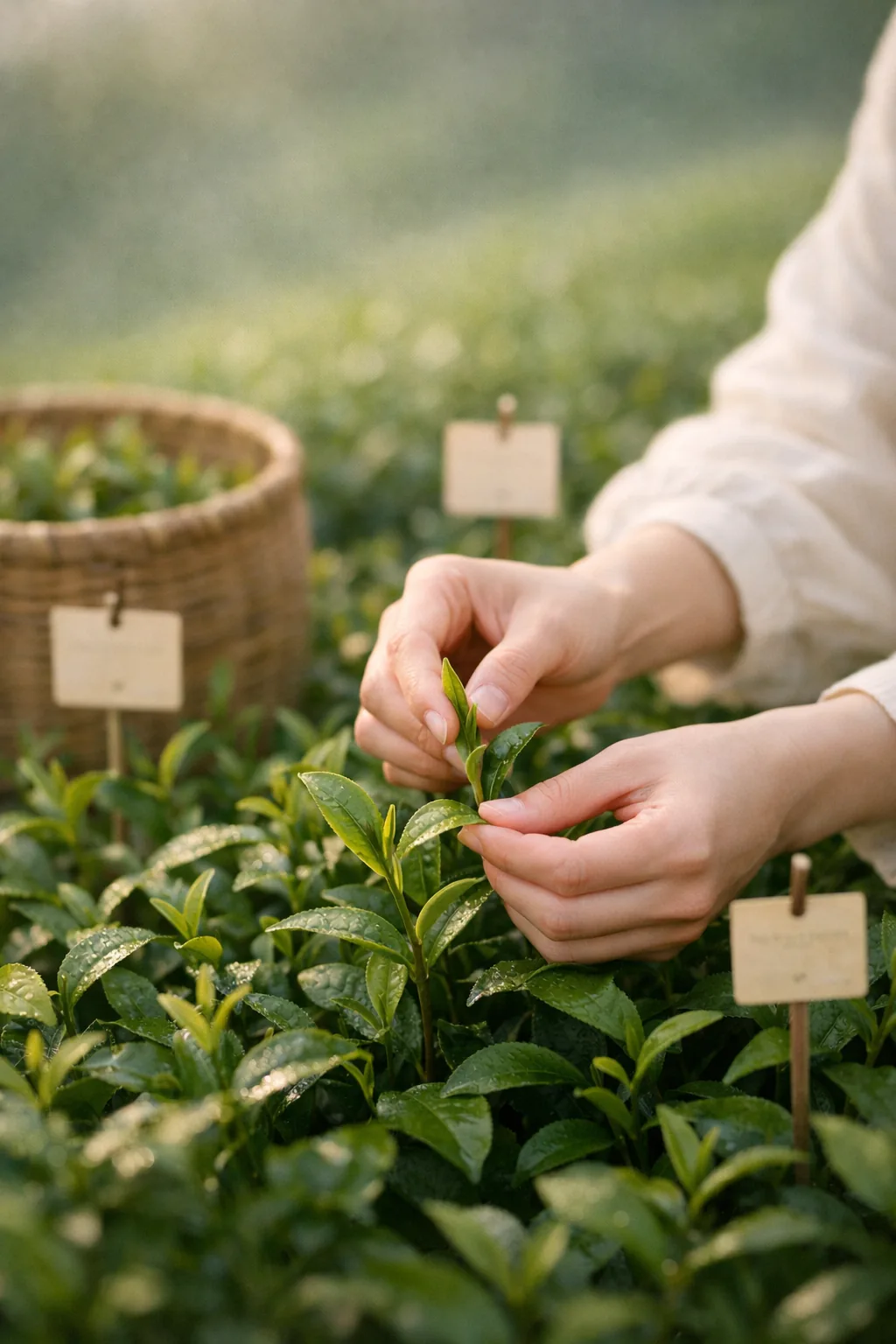
What Harvest Means in Tea
When we think of harvest, we tend to imagine wine. But tea also responds strongly to the calendar. The difference is that, instead of one concentrated annual harvest, many regions work with several pickings throughout the year. The plant grows, enters a relative dormancy, responds to the climate, and offers successive waves of budding. It is from this movement that flushes are born.
That is why harvest in tea is less a single date and more a living cycle. What matters is not only the year, but at what point in that year the leaf was picked and under what climatic conditions it developed.
Flush: The Moment When the Plant Responds to the Season
In tea vocabulary, flush indicates a picking period within the growing season. The most famous example comes from Darjeeling, where the term has gained almost the status of its own language. First flush corresponds to the first harvest of the season, made from very young and tender leaves; later flushes tend to show a different sensory maturity, because the plant and the climate have already changed.
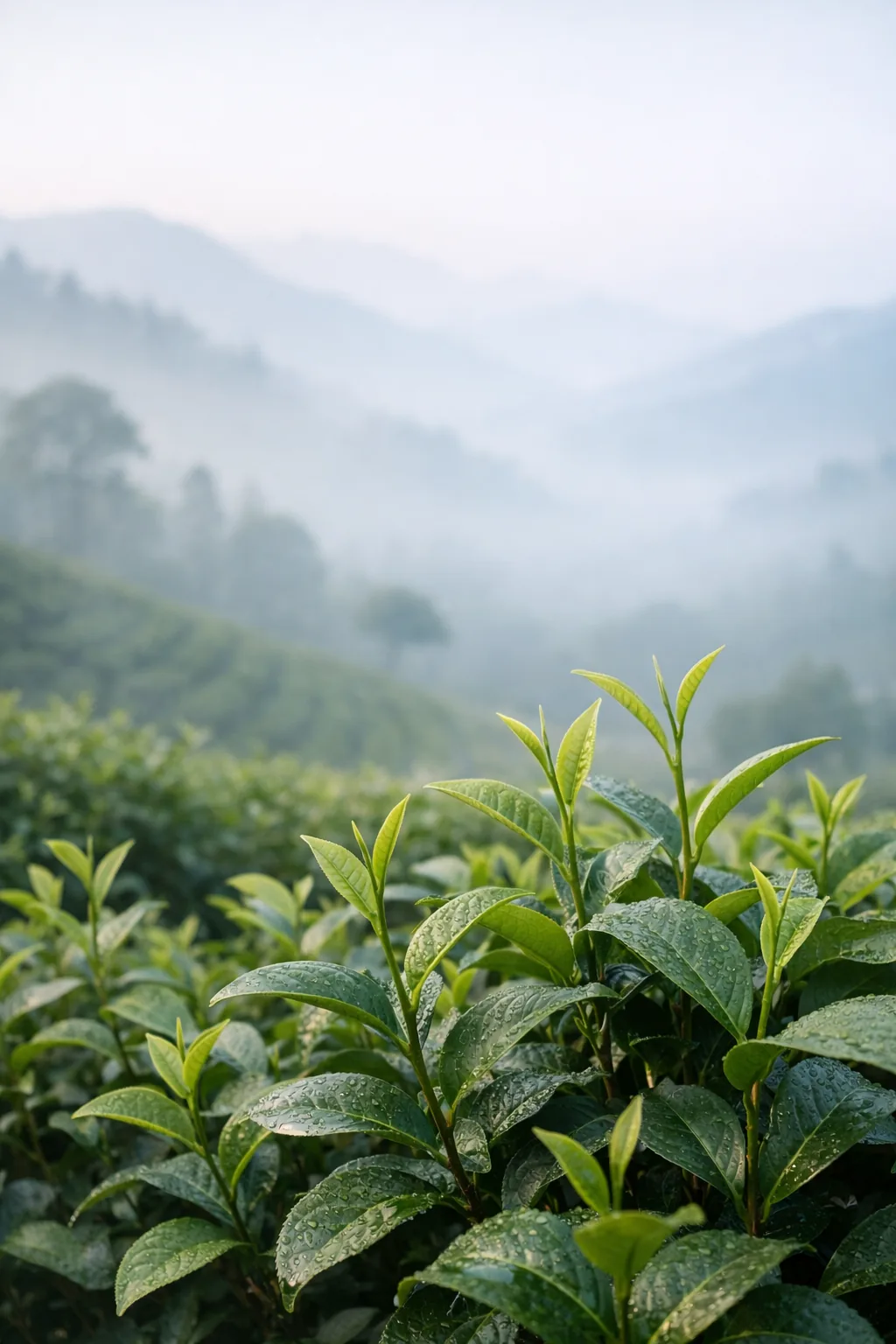
In Darjeeling, this seasonal reading became especially celebrated. First flush is usually associated with lightness, brightness, and the feeling of spring in the cup. Second flush, at another moment in the calendar, tends to bring more body, more maturity, and, in certain cases, the fruity-muscatel profile that made the origin so famous. The season changes — and the language of the tea changes with it.
Not Every Origin Uses the Vocabulary in the Same Way
It is important not to turn the Darjeeling model into a universal rule. The vocabulary of flush is especially strong there, but other origins work with seasonality in different ways. Tea Board India points out, for example, that Assam’s orthodox second flush teas are among the most valued in the world, while Sri Lanka organizes its excellence more through regions and quality seasons than through flushes with an equivalent international fame.
- 1Darjeeling: the classic example of first flush and second flush as distinct sensory identities.
- 2Assam: orthodox second flush is especially valued for richness and brightness.
- 3Sri Lanka: the best period depends greatly on the region and the monsoon pattern, not only on a famous flush nomenclature.
Quality Season: When the Best Window Is Not the Same Everywhere
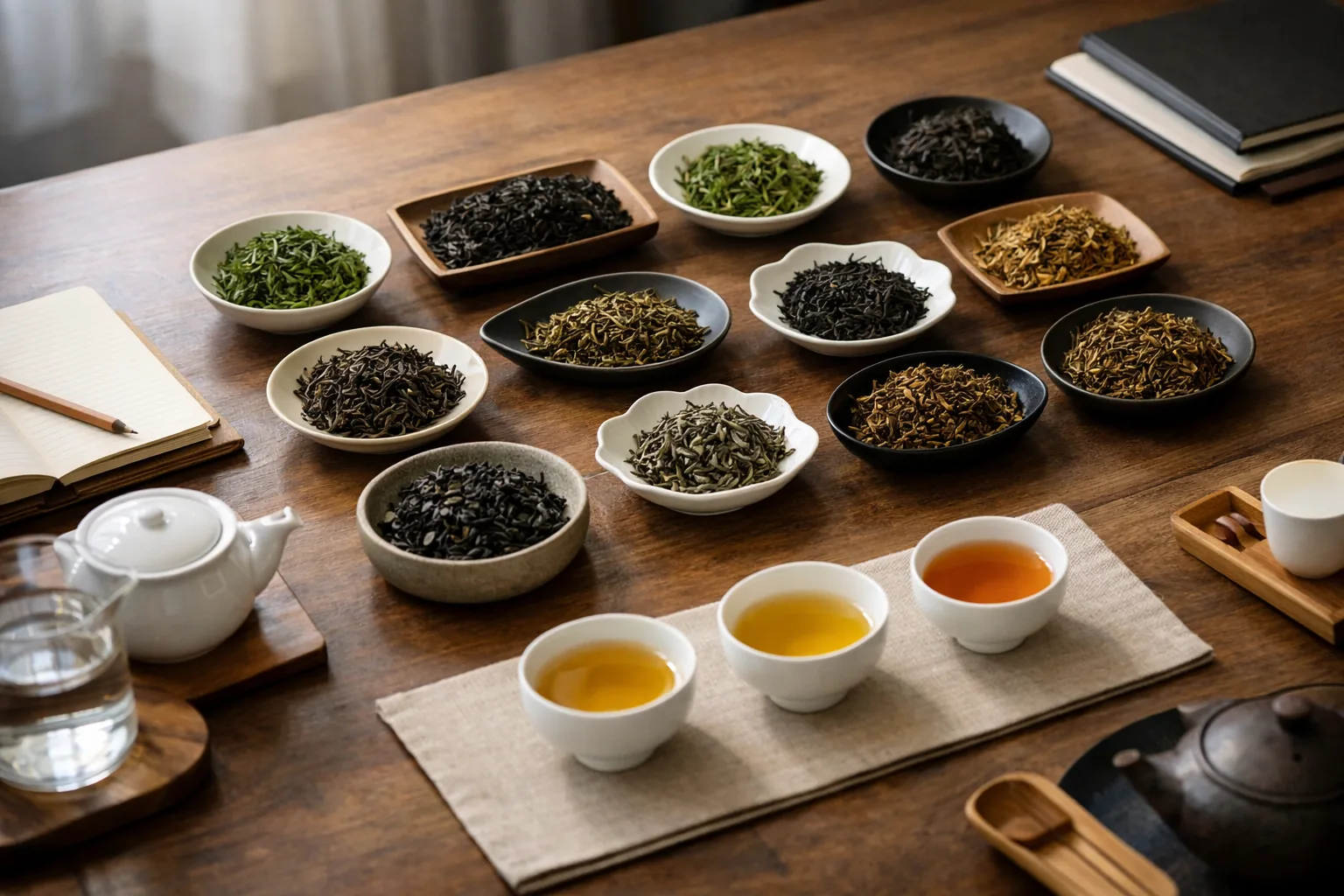
Sri Lanka offers a beautiful example of this. In Dimbula, the so-called quality season begins around the turn of the year and runs through March or early April; in Uva, the most marked period runs from July to September. Tea continues to be harvested throughout the year, but the best lots from each district appear in different climatic windows. This teaches one essential thing: quality seasonality is not uniform even within a single country.
For anyone buying tea with greater attention, this kind of information changes the reading of the package considerably. It shows that the cup is not only product — it is also calendar.
Lot: The Real Unit of Curation
If harvest and flush speak of time, lot speaks of the tea’s concrete identity. It is the lot that turns an abstract idea of origin into a specific, identifiable, and ideally traceable batch. In regulatory language, a lot code is a unique identifier within the supply chain. For the sophisticated consumer, it can also be a sign of seriousness: it shows that the tea exists as a localized production, not merely as a faceless generic blend.
A lot is not an irrelevant technical detail. In premium curation, it can be the trace that separates a tea with identity from a tea merely packaged with good words.
Why This Matters When Buying Tea
When the consumer understands harvest, flush, and lot, they begin to buy differently. They start to recognize why certain teas cost more, why the same garden may have very different expressions in the same year, and why some packages insist so much on highlighting season, batch, or harvest. It is not preciousness. It is reading.
- 1Notice whether the tea mentions only the origin or also the moment of harvest.
- 2Give extra value when there is clarity about flush, harvest, or lot without exaggerated publicity.
- 3Understand that first flush does not always automatically mean “better,” but it almost always means “different.”
- 4Read lot as a sign of identity and traceability, not merely as a cold factory code.
In tea, the season is not a backdrop: it enters the leaf, reshapes the flavor, and leaves its mark on the lot.
At Nature Chá, we like to think that harvest, flush, and lot do for tea what light does for landscape: they do not change only its appearance, but the entire way it is perceived. When the reader learns this, the cup gains depth.