In the East, tea was never just a drink. It became a language of cultivation, a gesture of hospitality, an aesthetic discipline, and a civilizational memory. It is there that Camellia sinensis not only found some of its oldest forms of expression, but also multiplied into radically different sensory schools: from the vegetal purity of certain green teas to the aromatic silence of mountain oolongs, from the subtlety of a Vietnamese lotus tea to the rigor of Japanese preparation.
Golden rule: do not treat all Eastern green teas as if they were the same. In many cases, Japanese green teas require lower water temperatures and more careful preparation than Chinese green teas, precisely because the processing method differs greatly from one country to another.
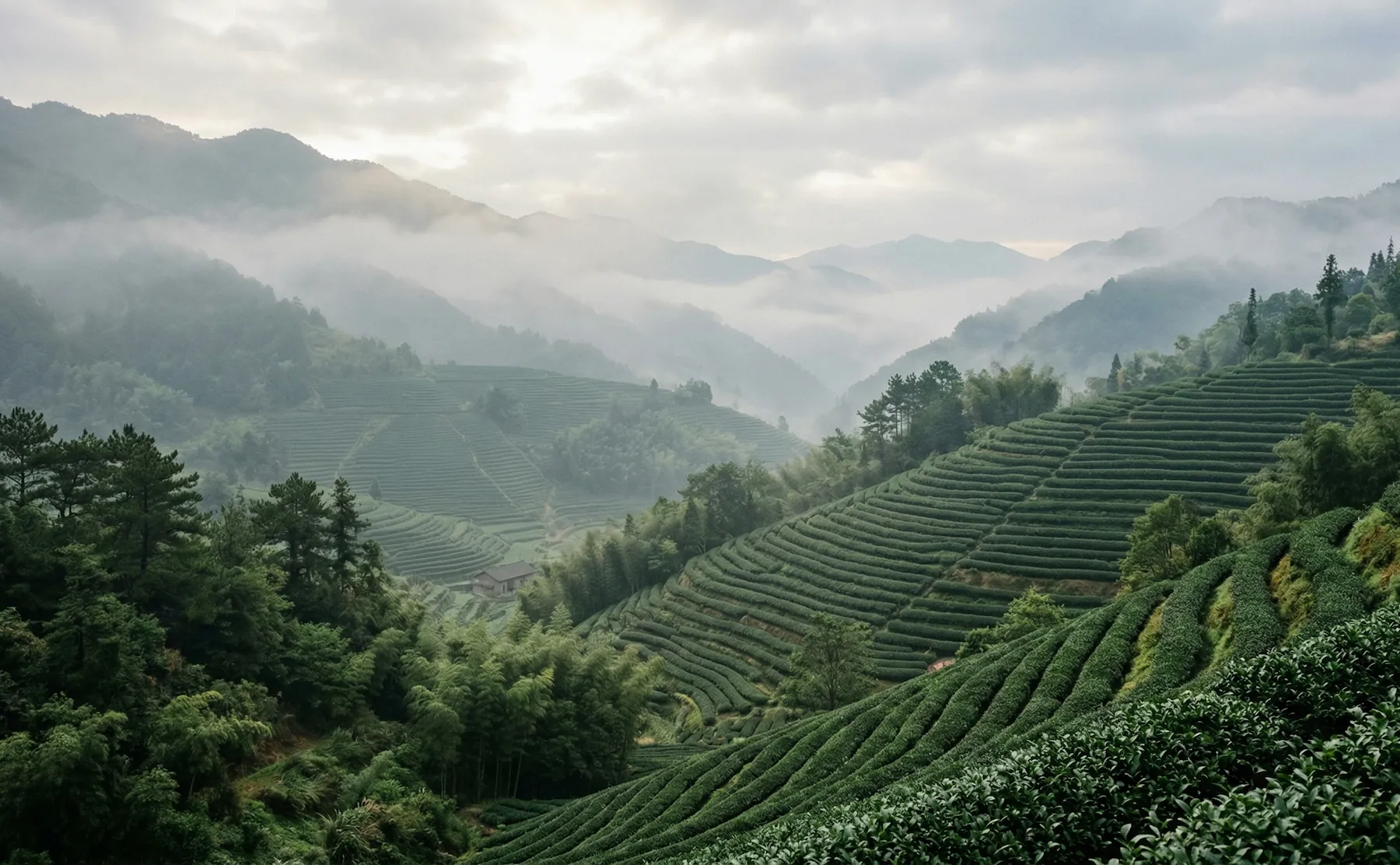
Where Tea Stopped Being Leaf and Became Culture
It is impossible to understand the map of tea without passing through this region. China, Japan, and Taiwan shaped some of the great grammars of tea in the world; Vietnam, Thailand, Malaysia, and Indonesia expanded that repertoire with their own traditions, humid mountains, and styles of green, black, oolong, and floral teas that rarely receive the same attention in the Western imagination.
What is most interesting is that this universe is not uniform. The East of tea does not speak with a single voice. Each origin reorganizes the leaf in its own way: through heat, steam, altitude, oxidation, roasting, fragrance, and ritual.
China: The Living Archive of Tea
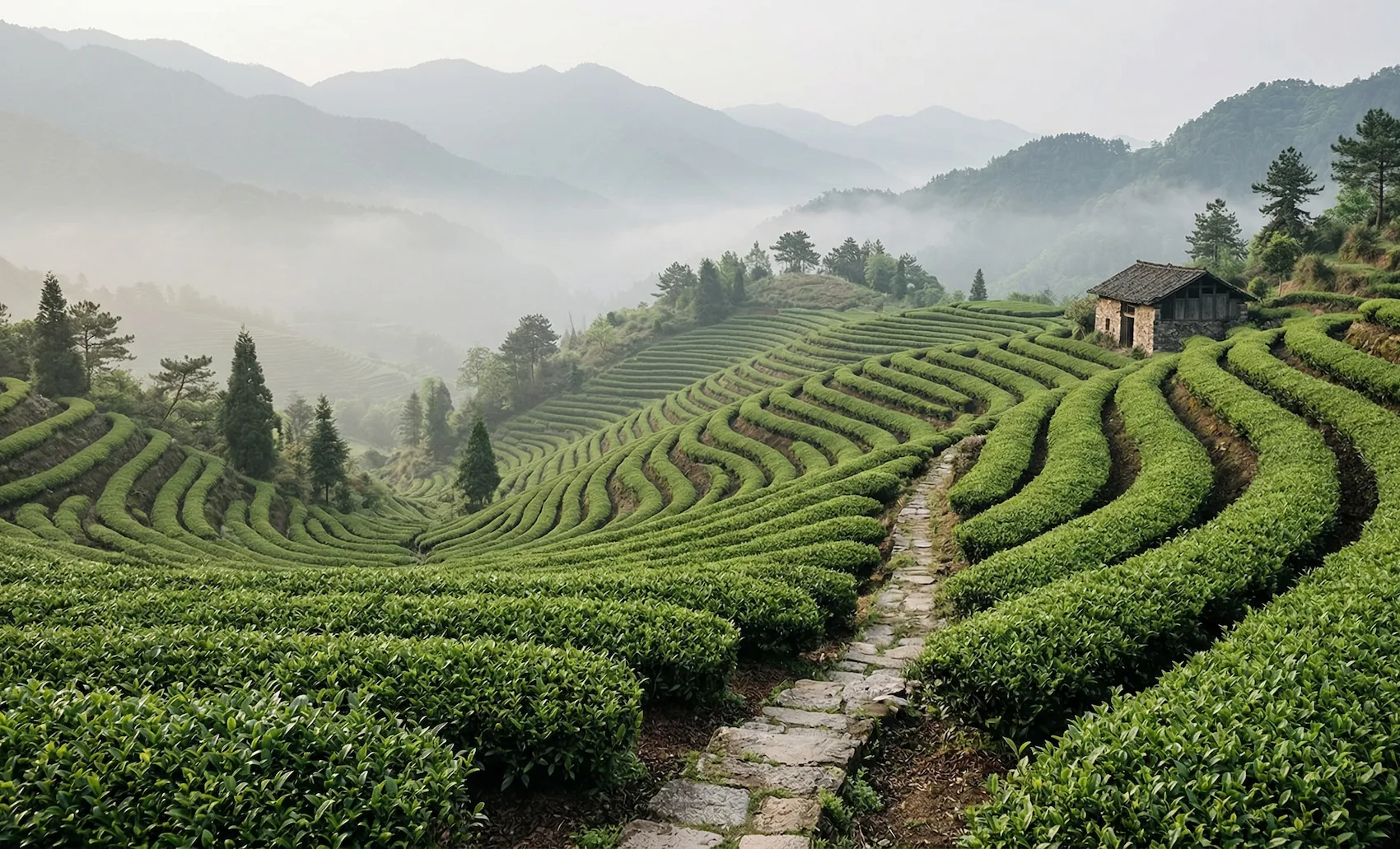
China remains tea’s great living archive. It is there that the drink developed as a culture, that the diversity of tea families expanded, and that profoundly distinct styles — green, white, oolong, black, and dark teas — gained territory, schools, and vocabulary. To speak of Chinese tea is to speak less of a single product and more of an entire system of traditions.
That breadth also helps explain why China remains so fascinating: it holds both the delicacy of certain classic green teas and the depth of aged teas associated with Yunnan. Rather than a single signature, it offers an entire civilization in leaf form.
Japan: Steam, Umami, and Form
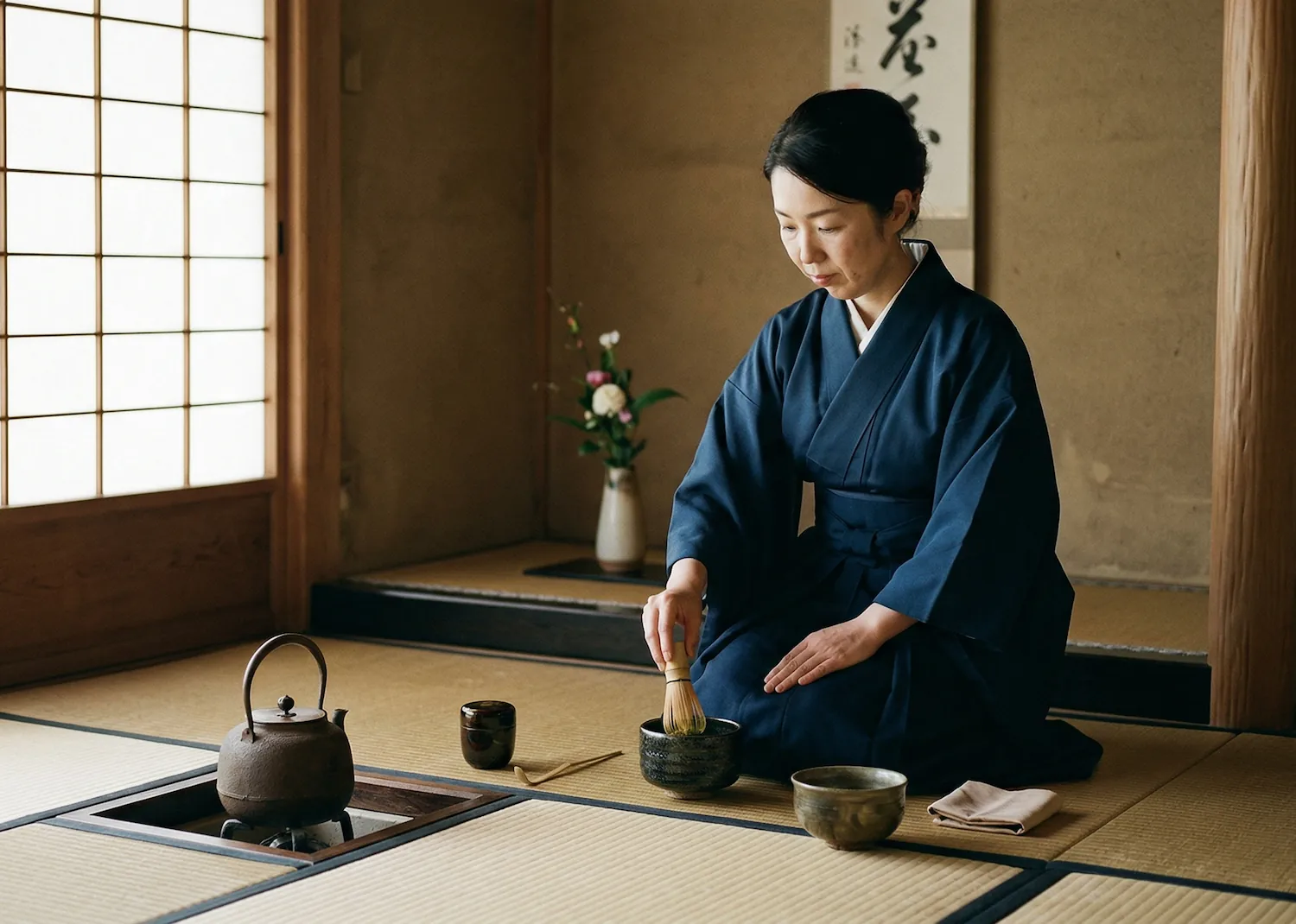
If China impresses through breadth, Japan impresses through concentration. Its identity in tea is deeply tied to green tea, to steam as the method for halting oxidation, to the vegetal clarity of sencha, the shaded depth of gyokuro, and the ritual form of matcha. Japan does not merely produce tea: it organizes preparation as a visual and sensory discipline.
That technical difference matters greatly in the cup. In many Japanese green teas, steam preserves vivid color, vegetal fragrance, and an umami profile that calls for delicacy in preparation. That is why treating a Japanese tea as if it were just any Chinese green tea is often the fastest way to lose precision.
For many Japanese green teas, starting between 140 °F and 176 °F is safer than approaching a boil. Water that is too hot tends to harden the cup and mute some of the sweetness and umami most desired.
Taiwan: The Island of Oolong and Reinvention
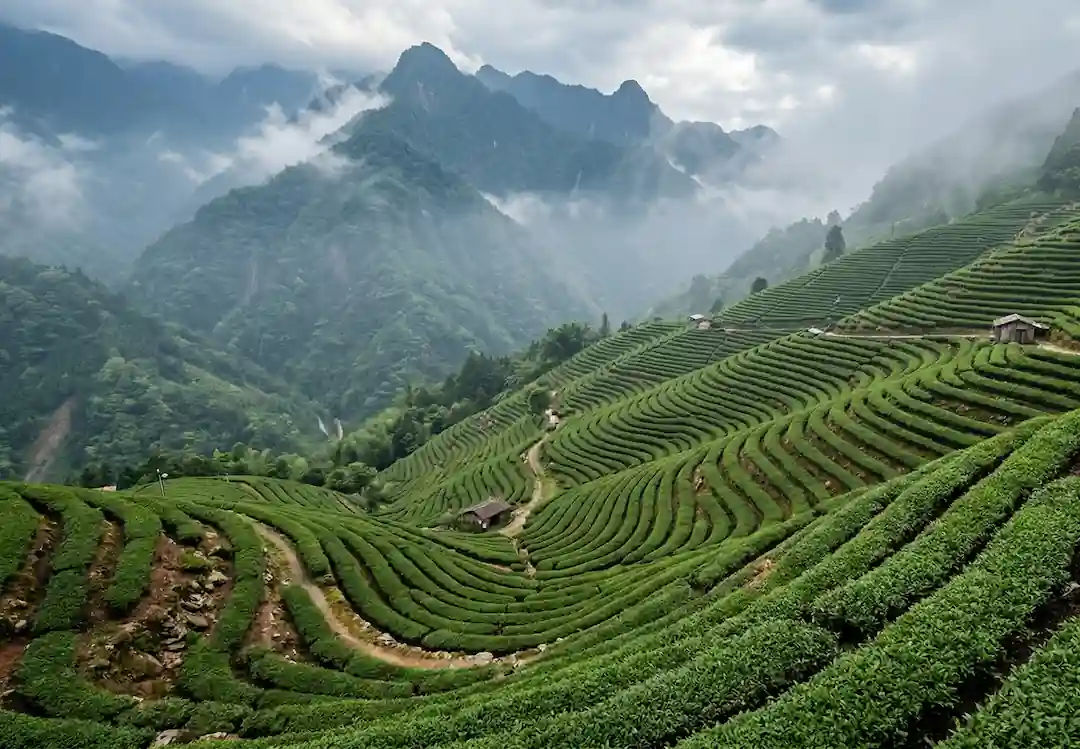
Taiwan holds a rare place in the tea imagination because it manages to unite mountain, fragrance, and modern invention. Its oolongs helped establish an idea of floral delicacy, creaminess, and altitude that deeply shaped contemporary taste. At the same time, bubble tea emerged in Taiwan in the 1980s, although authorship remains publicly disputed among historic tea houses.
This combination of tradition and reinvention is one of Taiwan’s most beautiful marks. The island manages to be, at once, a guardian of refinement and a laboratory of the drink’s pop culture.
Vietnam: Flower, Memory, and Delicacy
In Vietnam, tea also enters through fragrance. The culture of floral teas, especially lotus and jasmine teas, gives the drink its own aesthetic and ceremonial dimension. Hanoi lotus tea, in particular, holds a place of historical and cultural distinction, having long been associated with the city’s elegance and refined service.
That tradition helps remind us that the East of tea does not live only through mountains and oxidation: it also lives through scenting, flowers, delicacy, and hospitality.
The Jewels of Southeast Asia
Farther south, the map continues to open. Doi Mae Salong, in northern Thailand, became known for oolong cultivation in a mountainous environment and for a strong Chinese heritage in the region. In Malaysia, Cameron Highlands offers cool altitude, historic plantations, and a landscape that established the region as a national tea reference. Indonesia, especially Java, remains important in the history of lighter, cleaner-profile black teas.
- 1Thailand (Doi Mae Salong): a mountain reference for oolong and tea culture in the north of the country.
- 2Malaysia (Cameron Highlands): cool climate, high hills, and a plantation tradition that shaped Malaysian tea.
- 3Indonesia (Java): an important origin in the history of lighter and clearer-profile black teas.
Exploring the Far East through the cup is to understand that tradition is not motionless repetition. It is living continuity. Each country preserved its own way of making the leaf speak — through steam, roasting, altitude, flowers, ceremony, or modernity. At Nature Chá, this region does not enter as exotic decoration: it enters as one of the great living matrices of tea culture.